
A Visual guide to Granada

‘Granada, the beautiful diverse city of Andalucia’
Granada is a beautiful city with echoes of diversity that is worth visiting during your Andalucía stay. Much different to it’s neighbouring cities, Granada is a mixture of culture with a Moorish neighbourhood that has remained the same for centuries, areas near Plaza Nueva that almost look as if you were in Italy and parts of the old town look as if you could be in the Moroccan souk, where dreadlocks seem to be the thing. Granada has been inhabited by the ancient Iberians to the Romans and Visigoths and all have left an imprint in the walls. The buzzing University City has a lively street food life, where locals eat and drink along bars that spill to pathways. Granada is known for its “complimentary tapas” culture when purchasing a drink, you get a free tapas. Often the dishes are so large, you fill yourself up before even heading over to lunch. The city has an interesting buzz, it’s lively and friendly with a mix of interesting people.
Prepare for a lot of climbing stairs as roaming the city by foot is the best way to explore all the amazing neighbourhoods. As the walking increases your appetite, make sure to also eat your way through the old city. Since the tapas culture is so fabulous, I wouldn’t even bother finding proper sit down restaurants but rather make your way to the buzzing counters, as locals would do. Buy some local artisan perfumes and scented candles at PATIO and find some handcraft shops to purchase beautiful Moorish prints to put on walls and bowls to bring back home. We also found the cutest courtyard bookstore right next our hotel (Hotel Casa Granada) where we purchased some coffee table books.
Walk up to Plaza San Nicolas during sunrise or sunset and enjoy a stunning view of the Alhambra as the sky turns a saturated pink. You will hear gypsies playing flamenco as it gets darker, children running in little courtyards and the atmosphere is blissful and romantic.
Granada Districts
Granada, a city steeped in history and culture, is divided into several distinctive districts, each with its own unique charm.
Albaicín: Nestled on the hillside opposite the Alhambra, Albaicín is a labyrinthine maze of narrow, winding streets and whitewashed houses. This historic Moorish quarter exudes an old-world charm, with its traditional tea houses, cobblestone alleys, and stunning viewpoints offering panoramic views of the Alhambra and the Sierra Nevada.
Sacromonte: Famous for its cave houses carved into the hillside, Sacromonte is a bohemian district renowned for its vibrant Flamenco scene. Visitors can explore the caves, attend live Flamenco performances, and immerse themselves in the unique Gypsy culture that has thrived here for centuries.
Realejo: Once the Jewish quarter of Granada, Realejo is a blend of narrow streets, squares, and historic buildings. The area boasts a mix of Moorish and Christian architecture, including the impressive Monastery of Saint Jerome. Realejo is a lively district, home to trendy shops, tapas bars, and a youthful energy.
Centro: The heart of Granada, Centro is a bustling district filled with shops, restaurants, and cultural attractions. It encompasses the vibrant Plaza Nueva, where locals and visitors gather, as well as the iconic Cathedral of Granada and the Royal Chapel, where the Catholic Monarchs Ferdinand and Isabella are entombed.
Zaidín: This modern and residential district is known for its lively atmosphere, wide boulevards, and numerous parks. Zaidín offers a different perspective of Granada, with contemporary amenities, shopping centers, and a diverse culinary scene.
These districts collectively contribute to the diverse and rich tapestry that is Granada, providing visitors with a multifaceted experience of this historic and culturally rich Spanish city.

Alhambra Fortress

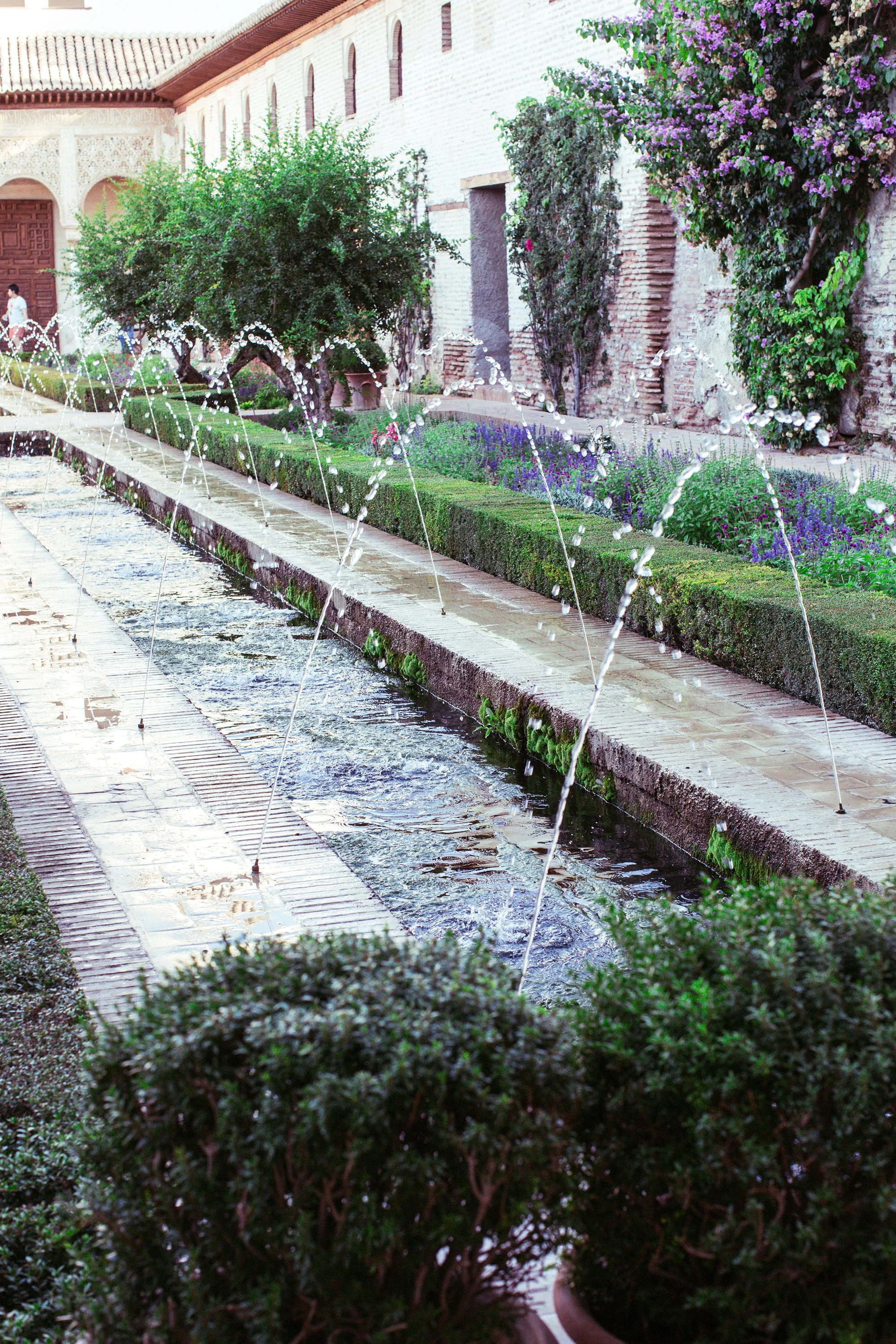
The Alhambra
The Alhambra is a beautiful Arabesque Palace and grounds that were built in the mid 14th century by the Roman remains and Moors. The Moorish princes lived in the complex until they were driven out of Spain in 1492, when the Christians took over. Today the palace is a UNESCO world heritage site and is a very popular tourist attraction.It is essential to visit the Alhambra if you are Granada as it has played such a large role in history. The grounds are massive and take a bit of time to explore, but it’s beautiful and full of historic beauty that is absolutely worth it. Make sure to purchase your ticket online well in advance and visit the place just as it opens to avoid all the daytime tourists.


The Arab Quarter of Granada, Albayzin
The Albaycin is the old Arab Quarter that is a hillside section of Granada on the opposite side to the Alhambra. By far, this was the most beautiful section of Granada dating back to the 11th century, because of the strong Muslim influence in the area. This region used to by filled with luxurious carmenes (rustic house with grape vine filled gardens) and public baths. When you walk around and peak through houses iron gates, you discover beautiful hidden garden, decorated walls with mosaic plates and hundreds of year old draping of vines. The character and historic quarter shows many of stories within its cobbled streets and squares and it is best seen, by roaming around.

‘A step back into middle eastern time in the Arab quarter of Granada, The Albayzin’
The Albaycin is the old Arab Quarter that is a hillside section of Granada on the opposite side to the Alhambra. By far, this was the most beautiful section of Granada dating back to the 11th century, because of the strong Muslim influence in the area. This region used to by filled with luxurious carmenes (rustic house with grape vine filled gardens) and public baths. When you walk around and peak through houses iron gates, you discover beautiful hidden garden, decorated walls with mosaic plates and hundreds of year old draping of vines. The character and historic quarter shows many of stories within its cobbled streets and squares and it is best seen, by roaming around.


Make your way up to the hilltop and enjoy the stunning views of the Alhambra and if you are there for sunset, it fills up with locals gathering for beers and various street musicians as the sun starts to turn red. The Albayzin region has a street dedicated to cinnamon lingering tearooms draped in Arab fabrics which set you straight back in Middle Eastern time. One morning we came to enjoy a typical Arabian tea made from milk, cardamom and cinnamon, what we often had in Dubai.
For centuries, Granada is a city of passing cultures that have all left imprints behind, just like in many other Andalucían cities. Again, there is a heavy Moorish influence here as they ruled in the 10th century, which is easily seen in the architecture. There is a mixture of typical catholic towering cathedral spires combined on top of something that looks more like a mosque, showing how they built on top during different eras of rule.
You get to experience the whimsical spell of Albayzin either early morning or late afternoon when the sky slowly starts falling into a saturated golden hour. I loved the morning because it was so peaceful to walk around, stop for some Arabic coffees and soak in the beauty of the old architecture. All the colourful flowers stood still with time and a gentle guitar play in the background as a local sat playing in the corner.


What to see
The Albaicín district in Granada is a captivating labyrinth of narrow streets and alleys that preserves the city's Moorish heritage. Here are some notable sites to explore in the Albaicín area:
Mirador de San Nicolás: This viewpoint offers one of the most iconic and photographed views of the Alhambra. From here, you can see the palace complex set against the backdrop of the Sierra Nevada mountains.
Carrera del Darro: This picturesque street runs along the Darro River, featuring charming cobblestone paths, historic buildings, and a lively atmosphere. It's a delightful stroll with views of the Alhambra on one side and the Albaicín on the other.
Plaza Larga: A bustling square at the heart of the Albaicín, Plaza Larga is surrounded by tapas bars, cafes, and shops. It's a great place to experience local life and savor traditional Andalusian cuisine.
Palacio de Dar al-Horra: This 15th-century palace was once the residence of Aixa, the mother of Boabdil, the last Moorish king of Granada. It features Nasrid architecture and offers a glimpse into the city's Moorish past.
Casa de Zafra: A well-preserved example of Moorish architecture, Casa de Zafra is a 14th-century house that now serves as an interpretation center for the Albaicín. It provides insight into the history and culture of the neighborhood.
Bañuelo (Arab Baths): These ancient Arab baths date back to the 11th century and showcase the intricate architectural style of the Moors. Visitors can explore the various rooms, including the cold room, warm room, and hot room.
Church of San Salvador: This church, originally a mosque, was converted into a Christian place of worship after the Reconquista. Its Mudejar architecture reflects the transition between Islamic and Christian rule.
Puerta de Elvira: One of the original gates to the city, Puerta de Elvira is a historic entrance to the Albaicín. It's a great starting point for exploring the district.
Wandering through the narrow streets of the Albaicín, you'll also encounter charming squares, hidden gardens, and glimpses of daily life that collectively contribute to the district's unique and enchanting atmosphere.


December in Andalucia
Indulging in the warmth of Southern Spain's December sun, I embarked on a blissful getaway, strategically timed before the festive whirlwind of Christmas. This idyllic escape, primarily designed around our shared passion for golf, unfolded over a few weeks along the captivating coast. The journey began with a tranquil week in the company of my father, the serene greens stretching endlessly before us.

Malaga
Indulging in the warmth of Southern Spain's December sun, I embarked on a blissful getaway, strategically timed before the festive whirlwind of Christmas. This idyllic escape, primarily designed around our shared passion for golf, unfolded over a few weeks along the captivating coast. The journey began with a tranquil week in the company of my father, the serene greens stretching endlessly before us.
As the holiday progressed, a delightful twist awaited as my brother and husband joined our golfing odyssey. The union of family and fairways created an enchanting experience, weaving unforgettable memories against the backdrop of Costa del Sol. Our chosen golf courses, strategically scattered along the coast, became stages for camaraderie and competition alike.
Beyond the allure of golf, our exploration led us to the charming villages of Mijas and Frigiliana, each steeped in local flavor and historical charm. A venture into Malaga added an urban touch to our sun-soaked sojourn. This December escapade wasn't merely a respite from the Christmas chaos; it was a harmonious blend of golf, family, and the diverse beauty that Southern Spain graciously offered. Here, amidst the fairways and coastal vistas, the true essence of Spain unfolded, painting a vivid picture of joy, togetherness, and the irresistible allure of its December embrace.

Arcos de la frontera

Arcos de la frontera

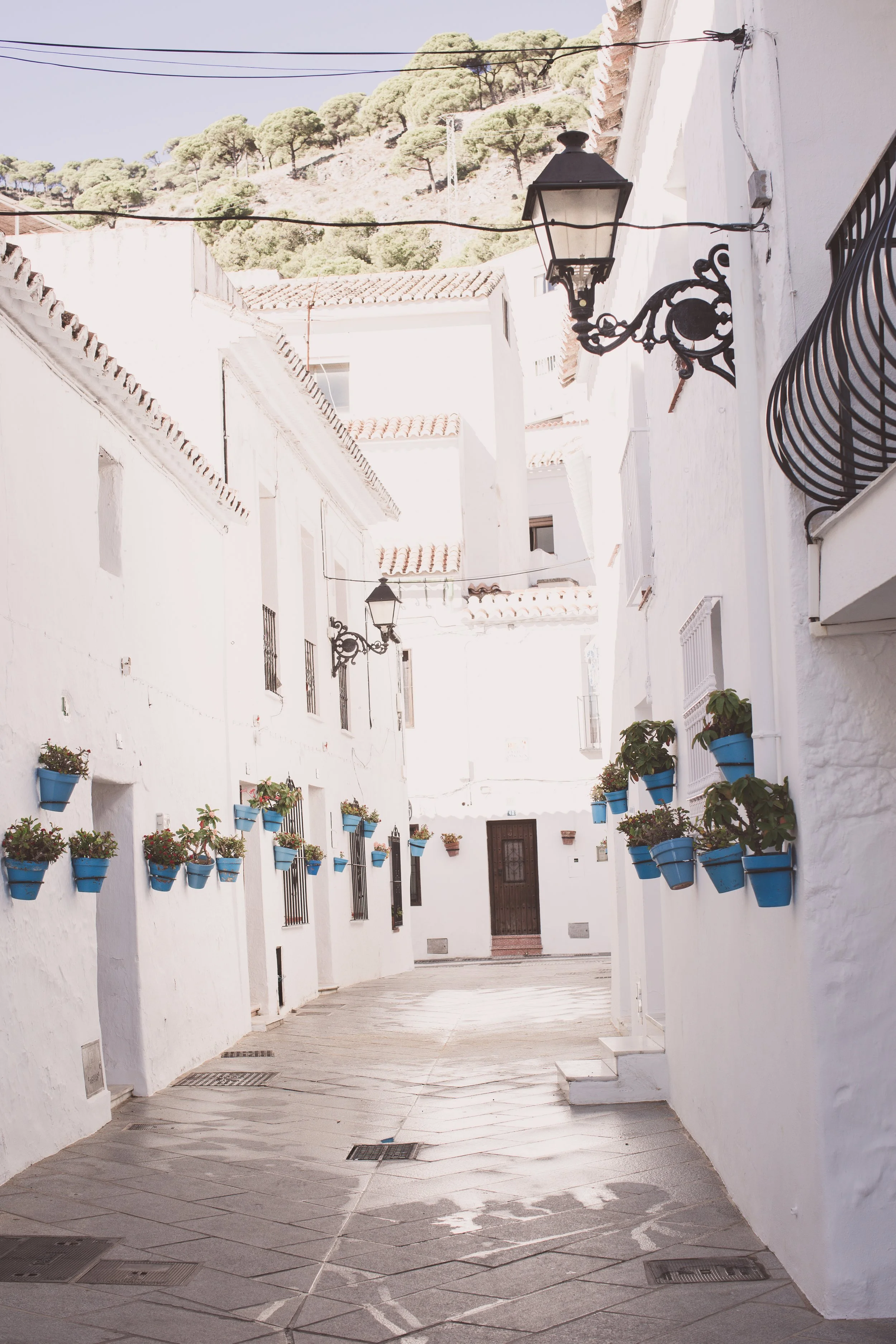

Frigliana


Spanish countryside Stay in Ronda
The calmness of the countryside is what draws my husband and I to find hidden gems when planning our routes, on holidays. We came across this countryside manner in Andalucía that is an old restored 18th century mill. We drove from Seville to stay here for 2 nights before heading back to the city of Granada. We booked the suite because of the rooftop terrace that overlooks the gardens of the manner, which made it the perfect pre-drink spot just before sunset and dinner time. It was the perfect warm place to read our books if didn’t want to be at poolside. We ate dinner at the hotel in the evenings and during the day we explored towns nearby, such as Ronda. Molino del Arco makes a great little getaway from the city if you are looking for a little relaxation on your next Spanish holiday.


Molino del Arco – A peaceful getaway near Ronda
The calmness of the countryside is what draws my husband and I to find hidden gems when planning our routes, on holidays. We came across this countryside manner in Andalucía that is an old restored 18th century mill. We drove from Seville to stay here for 2 nights before heading back to the city of Granada. We booked the suite because of the rooftop terrace that overlooks the gardens of the manner, which made it the perfect pre-drink spot just before sunset and dinner time. It was the perfect warm place to read our books if didn’t want to be at poolside. We ate dinner at the hotel in the evenings and during the day we explored towns nearby, such as Ronda. Molino del Arco makes a great little getaway from the city if you are looking for a little relaxation on your next Spanish holiday.
Step into the enchanting countryside of Andalucía, where the heart of Spain beats to the rhythm of vibrant landscapes and rich cultural heritage. This region, located in the southern part of the country, unfolds like a canvas of diverse beauty — from rolling olive groves and citrus orchards to rustic white villages nestled against the backdrop of dramatic mountain ranges. Andalucía's countryside is a tapestry woven with the threads of Moorish history, flamenco traditions, and the warm embrace of Spanish hospitality. Immerse yourself in the timeless charm of rural life, where every sun-soaked hillside and winding country road tells a story of heritage and natural splendor


Andalucia Villa Tip
Welcome to the picturesque countryside of Andalusia, Spain – a region where time seems to slow down, and the landscape unfolds in a breathtaking tapestry of rolling hills, olive groves, and sun-kissed plains. Just an hour away from the more touristy spots, this villa is located in Comares, close to the village of Riogordo. Nestled in the southern part of the Iberian Peninsula, Andalusia's rural charm captivates with its whitewashed villages, ancient olive orchards, and a rich tapestry of cultural influences. From the majestic Sierra Nevada mountain range to the sunlit expanses of vineyards, the Andalusian countryside invites travelers to immerse themselves in a timeless, authentic experience where tradition, history, and natural beauty converge in a harmonious blend.


Perched in between mandarin and almond tree groves, this villa invites you to slow life in the countryside of Andalusia
Welcome to the picturesque countryside of Andalusia, Spain – a region where time seems to slow down, and the landscape unfolds in a breathtaking tapestry of rolling hills, olive groves, and sun-kissed plains. Just an hour away from the more touristy spots, this villa is located in Comares, close to the village of Riogordo. Nestled in the southern part of the Iberian Peninsula, Andalusia's rural charm captivates with its whitewashed villages, ancient olive orchards, and a rich tapestry of cultural influences. From the majestic Sierra Nevada mountain range to the sunlit expanses of vineyards, the Andalusian countryside invites travelers to immerse themselves in a timeless, authentic experience where tradition, history, and natural beauty converge in a harmonious blend.
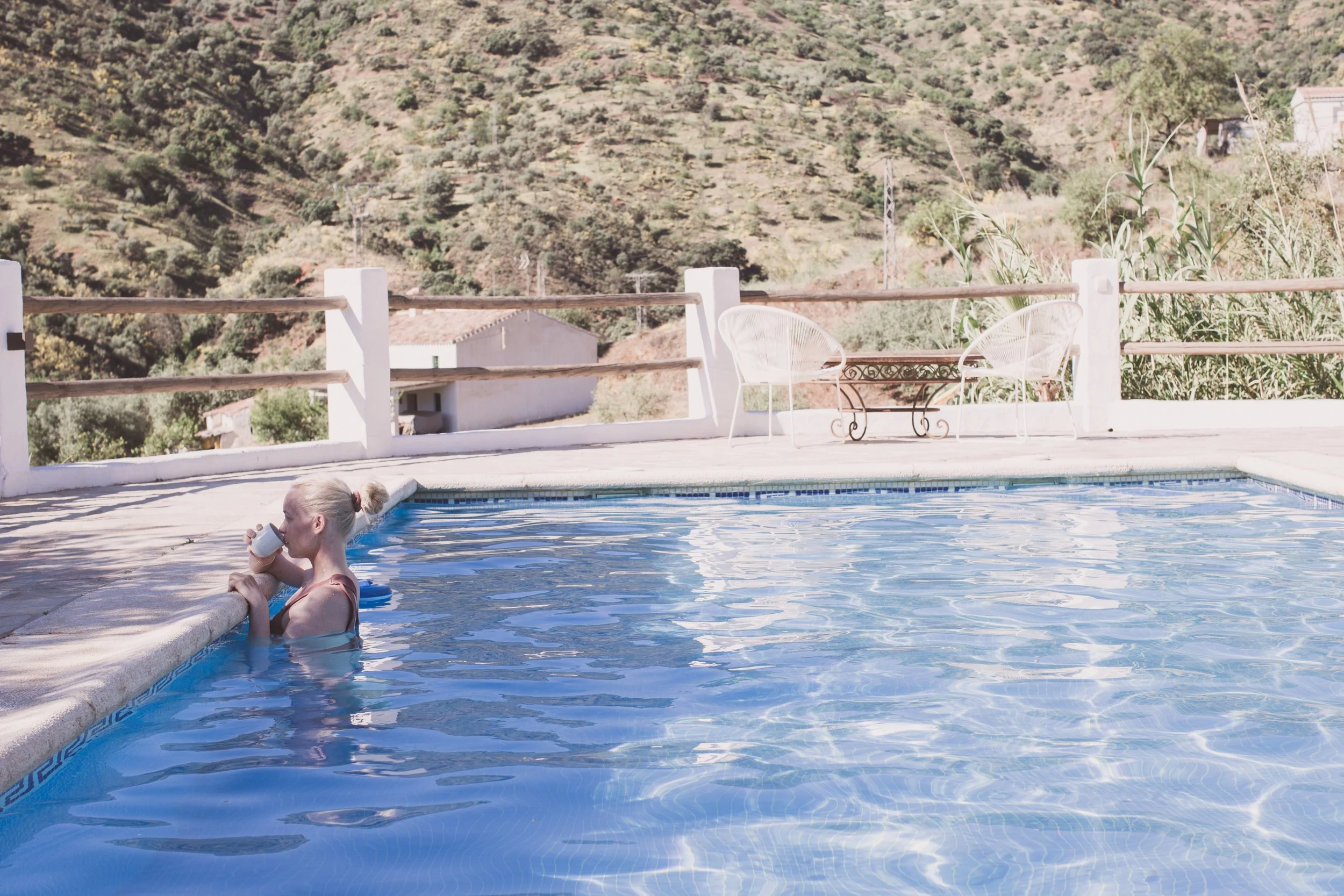
Our villa that we stayed in Spain is worth a mention in case anyone else wants to rent it. We rented it from a site called nice2stay and it was called villa pepita, just a 40min drive up north from Malaga. The villa has all great facilities, including a heated pool (which is amazing) and an outdoor barbecue section which is the best way to cook in the evenings. The villa is beautiful inside and outside, the only downfall is the incredibly steep drive up to the house. The location is great as there are many cute towns to visit around Andalusia, which I have talked about before- but to name a few; Granada, Antequera, Frigiliana etc. The house is perched up on hill top with no facilities around so a car is an absolute must. We loved playing pétanque and drinking Tinto de Verano in the evenings, it had a little sand court next to the house. Since the villa has a lot of outdoor verandas, it was ideal for a baby to find shade. Also my six year old nephew loved playing in the pool but could be slightly more dangerous for a young child that runs carelessly as there are some slightly deep drops. The aesthetics of the villa where beautiful, which is always important to us. No plastic chairs, rattan detailing and spacious. Here are a few images-




Roussillon, Baumaniere & Village de Venasque
Nestled in the heart of Provence, Venasque and Roussillon each offer a unique and captivating glimpse into the region's rich cultural tapestry. Perched atop a rocky outcrop, the village of Venasque beckons with its medieval charm and designation as one of the 'most beautiful villages' in Provence. Here, narrow cobblestone streets wind through a historic landscape, revealing scattered ruins, a picturesque 18th-century fountain, and a breathtaking 12th-century church. Meanwhile, Roussillon, renowned for its vibrant ochre cliffs, paints a stunning visual tableau against the Luberon Valley. The village exudes a warm and welcoming atmosphere, inviting exploration of its cobblestone streets, medieval architecture, and lively marketplaces. Roussillon is not only a feast for the eyes but also a gateway to the natural wonders of the Luberon region, where lavender fields, olive groves, and vineyards abound, promising a sensory journey through the essence of Provence.

Roussillon
Nestled in the heart of Provence, Venasque and Roussillon each offer a unique and captivating glimpse into the region's rich cultural tapestry. Perched atop a rocky outcrop, the village of Venasque beckons with its medieval charm and designation as one of the 'most beautiful villages' in Provence. Here, narrow cobblestone streets wind through a historic landscape, revealing scattered ruins, a picturesque 18th-century fountain, and a breathtaking 12th-century church. Meanwhile, Roussillon, renowned for its vibrant ochre cliffs, paints a stunning visual tableau against the Luberon Valley. The village exudes a warm and welcoming atmosphere, inviting exploration of its cobblestone streets, medieval architecture, and lively marketplaces. Roussillon is not only a feast for the eyes but also a gateway to the natural wonders of the Luberon region, where lavender fields, olive groves, and vineyards abound, promising a sensory journey through the essence of Provence.
‘Roussillon, the red town of provence’
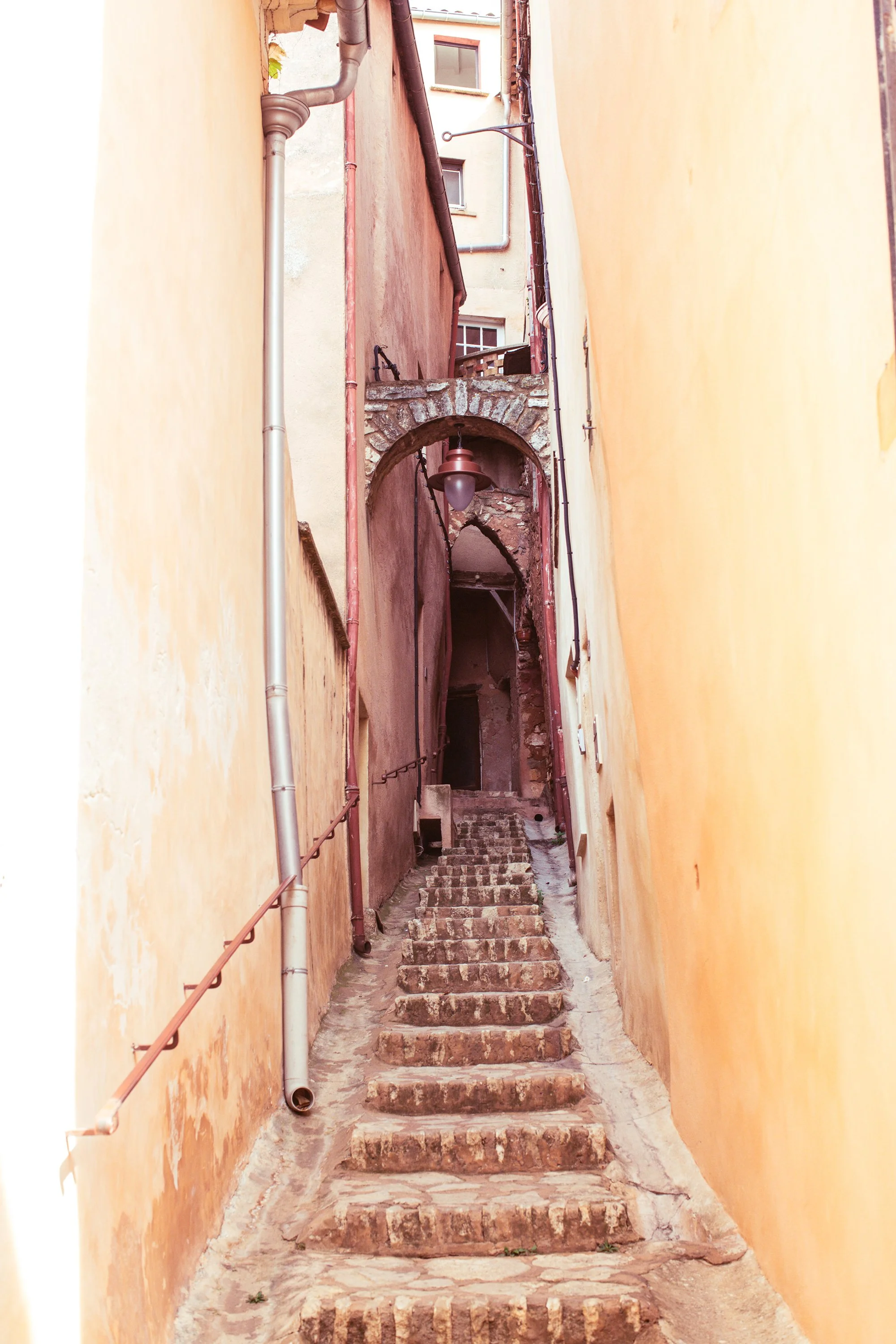
Perched on a hilltop, this saturated fairytale town is one of Luberon’s favourites. It differs from neighbouring towns due to its unusual awash of colouring, from faded pinks to rusty reds as it sits on a goldmine of ochre. (Ochre is a pigment used in painting) The surrounding is quite unbelievable (you can walk a trail through the quarries), the sand beneath your feet is orange and the land is rich in minerals. Roussillon boomed in the 18th century when the textile industry was hungry for ochre pigment and today you can still visit the factories and discover how the colour was made. Naturally, the houses are made from ochre that are all warm tones of orange, yellow or red that is a strong reminder of its past. Roussillon is perhaps a little bit more popular with tourists than many other towns due to its unusual ambiance and it’s worth the visit before crowds of people come in during mid day.
The ochre cliffs that surround the village offer a stunning display of warm, earthy colors, creating a surreal atmosphere. Visitors can explore the historic village center with its charming cobblestone streets, medieval architecture, and vibrant marketplaces. The Sentier des Ocres, a marked trail through the ochre quarries, provides a mesmerizing walk amidst the vivid cliffs and offers panoramic views of the Luberon Valley. Art enthusiasts will appreciate the Galerie des Ocres, showcasing local artists' works inspired by the region's natural beauty. Additionally, Roussillon is a gateway to the Luberon region, where vineyards, lavender fields, and olive groves await exploration. Whether indulging in the local cuisine, exploring the rich cultural heritage, or simply enjoying the breathtaking scenery, Roussillon promises an enchanting experience in the heart of Provence.
Galleries, ceramic shops and cafes stretch out into the pavements, cyprus trees and colourful window shutters add that provincial charm proving its camera friendliness as we walk along the darling roads. We stopped for morning coffee here before heading out to a countryside resort Baumaniere for our anniversary lunch, hence dressed in lacy white.



Baumaniere & Village de Venasque
To commemorate our wedding anniversary, we basked in the refined ambiance of the esteemed Baumaniere, a luxury hotel adorned with 2 Michelin stars. Our culinary journey unfolded with a delightful fish roe amuse-bouche, succulent escargot, exquisite tuna, savory pork, capped off with a decadent chocolate cake and an assortment of petits fours. Surrounded by the enchanting estate, framed by majestic cypress trees, we immersed ourselves in an unforgettable, romantically charged culinary experience. Sipping on a dry wine from the region, we reveled in each other's company, absorbing the beauty of our surroundings with every delectable dish.
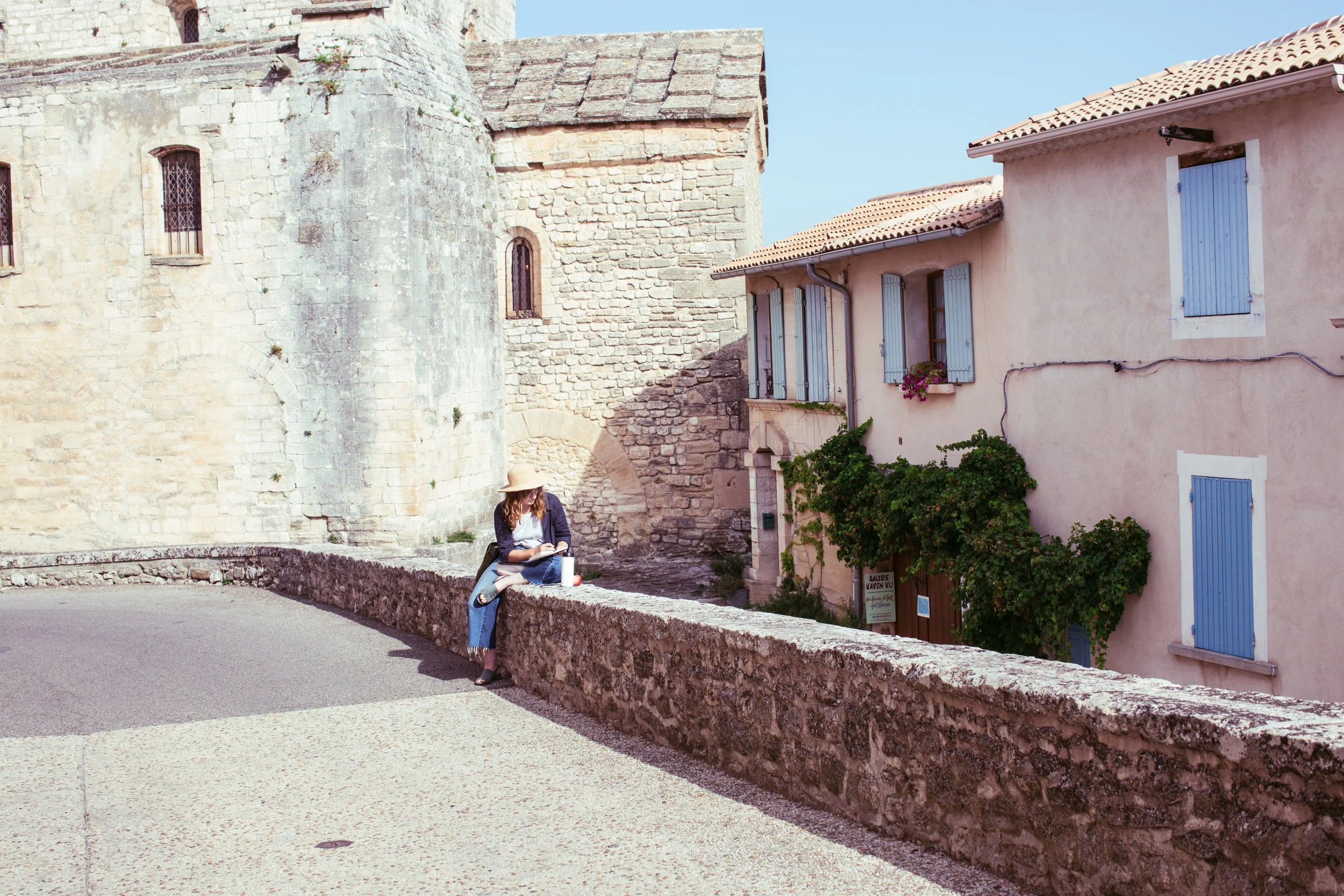
With our palates satiated with French delights, we embarked on a scenic drive through the picturesque countryside, leading us to the charming village of Venasque, perched atop a rocky outcrop. Along the way, we encountered horses and an irresistibly cute mule, all while admiring lush green vineyards and majestic chateaus. Venasque, acclaimed as one of the 'most beautiful villages' in Provence, welcomed us with its intimate streets, scattered ruins, charming restaurants, and shops surrounding an 18th-century fountain. Our leisurely stroll unveiled local artists capturing the breathtaking views, and we explored a mesmerizing 12th-century church. Despite the town's serene midday pause, it proved to be the perfect post-lunch amble, revealing colorful Virginia creeper adorning walls, petite earth-toned houses, and charmingly vibrant doors.

Baumaniere


Village de Venasque

Hidden Gardens of Venice
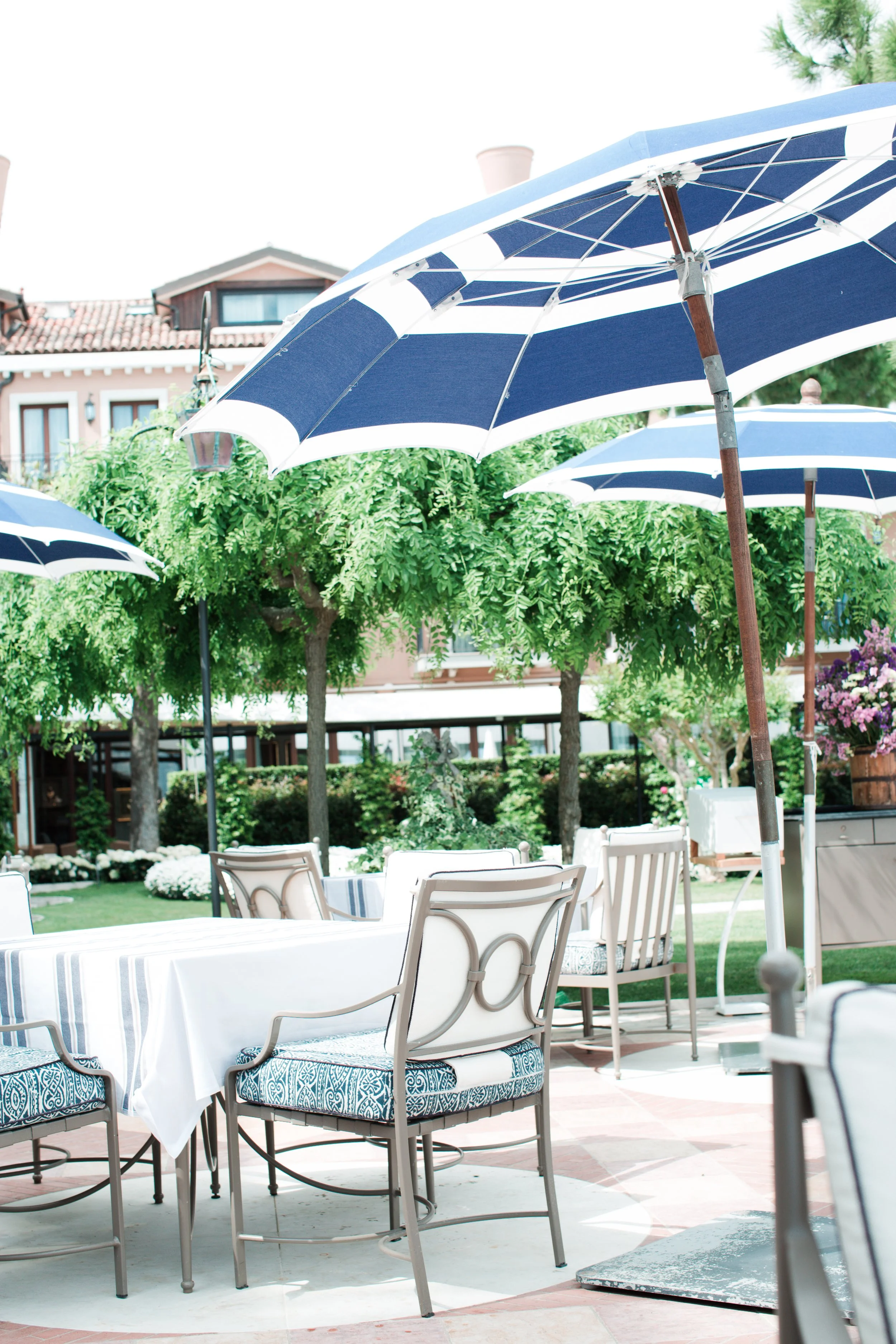
Embark on a tranquil journey just a brief boat ride away from the bustling San Marco Square, and you'll find yourself in the enchanting realm of Belmond Hotel Cipriani. Nestled on the idyllic island of Giudecca, this luxurious retreat beckons those seeking respite from the vibrant energy of Venice.

Embark on a tranquil journey just a brief boat ride away from the bustling San Marco Square, and you'll find yourself in the enchanting realm of Belmond Hotel Cipriani. Nestled on the idyllic island of Giudecca, this luxurious retreat beckons those seeking respite from the vibrant energy of Venice.
As you step onto the verdant grounds, you'll be greeted by perfectly manicured gardens, providing an oasis of serenity. A leisurely stroll beneath the rose-covered arches transports you to a world of elegance and tranquility, far removed from the city's hustle and bustle.
Founded by the visionary Giuseppe Cipriani in 1958, the mastermind behind the iconic Harry's Bar and the beloved Bellini cocktail, Hotel Cipriani exudes a timeless charm. The lush surroundings, shared with the gardens, invite you to unwind and savor the leisurely pace of a Venetian afternoon.
During our visit, we indulged in a refreshing Bellini at Harry's Bar, its pale pink hue mirroring the sophistication of the establishment. For lunch, we treated ourselves to a culinary delight at the hotel's restaurant, relishing a garden-fresh salad and delectable cod fish.
In the afternoon, we embraced the soothing ambiance by the poolside, enjoying a delightful tea accompanied by sweet treats. Adorned in tranquil blue hues with a loose, droopy knot, Hotel Cipriani epitomizes elegance, offering a dreamy haven for those seeking a momentary escape. Indeed, this oasis in the heart of Venice unfolds as a perfect retreat to unwind, slow down, and bask in the sheer beauty of its surroundings.


A scenic route from Puglia to Provence
Travelling by car is the best way to get everything out your holiday as this gives you the freedom to travel to se many different destinations. My husband and I have been exploring this way for the last nine years and it makes the holiday feel extra special as you are constantly greeted with new exciting places making the holiday feel much longer. We stayed almost three weeks and decided to fly from Italy to Provence for a change of scenery and even stayed a few nights in the French alps, just an hour away from Mount Blanc. Below you can see the travel route, we stayed in 8 destinations as a base, but visited many idyllic towns during our stay.

‘The scenic travel route from Southern Italy to Provence’
Travelling by car is the best way to get everything out your holiday as this gives you the freedom to travel to se many different destinations. My husband and I have been exploring this way for the last nine years and it makes the holiday feel extra special as you are constantly greeted with new exciting places making the holiday feel much longer. We stayed almost three weeks and decided to fly from Italy to Provence for a change of scenery and even stayed a few nights in the French alps, just an hour away from Mount Blanc. Below you can see the travel route, we stayed in 8 destinations as a base, but visited many idyllic towns during our stay.
In Provence most of the “beautiful villages” are very close to each other (20 minutes away) so visiting them makes it really easy and in Puglia the towns are a bit further, but for sure very manageable via car. If you are planning a trip to Puglia, there are so many beautiful places to stay in, but our locations were strategic this time as I had a photoshoot with Masseria Palombara hence we planned our stay around that. We wanted to visit Vieste and Lecce as it has been four years since it was the last time we were there and Tivoli as it’s relatively close to the airport as our flight left really early, but werent eager to locate in Rome. So here goes, a little introduction of each town through my lens.
Itenary from Puglia to Provence
Flight Helsinki-Rome
Vieste
Oria- Masseria Palombara (Cisternino, Gallipolli)
Lecce
Tivoli
Flight: Rome-Nice
Lourmarin (Cucuron, Ansouis)
Annecy
Uzes (Saint Remy de Provence, Gordes, Menerbes)
Malaucene- Le Pont de Lórme (Roussillon, Les Baux-de-Provence, Gigondas)
Flight Nice-Helsinki
Vieste
Nestled along the sun-kissed shores of the Adriatic, Vieste emerges as a captivating coastal gem with its iconic white-washed charm. The town's enchanting old quarter, embraced by limestone walls, unfolds a story of centuries past. Quaint restaurants line the narrow streets, offering a culinary journey where every bite is a celebration of local flavors. Amidst the maze-like alleys, the scent of hanging laundry wafts through the air, creating a sensory tapestry that encapsulates the timeless allure of southern Italy. Yet, the true pièce de résistance lies in Vieste's azure waters, whose majestic turquoise hues beckon visitors to indulge in the serenity of the sea. Undoubtedly, Vieste is a sensory symphony where history, gastronomy, and natural beauty harmonize to create an unforgettable coastal experience.


‘Slow living in Masseria Palombara with visual stimulation ‘
This chic masseria made the perfect resting point with its all around photogenic corners, dreamy breakfast & poolside relaxation. We were fortunate enough to pick fresh vegetables from the garden at sunrise, eat amazing foods and soak up the slow lifestyle under the hot sun.
We also visited Cisternino & Gallipolli during our stay-


‘Lecce that is often referred red to as the Florence of the South’
We haven’t visited Lecce in four years and it still remains the same as before. Stay at Mantatelure & enjoy the numerous wine bars in the old city and soak up the rich baroque architecture.
Lecce, a radiant jewel in the heart of Italy's southern region of Puglia, boasts a rich tapestry of history, art, and architectural splendor. Often referred to as the "Florence of the South," Lecce is renowned for its exquisitely ornate Baroque architecture, which adorns its churches, palaces, and public squares. The city's limestone buildings, carved into intricate facades and adorned with elaborate sculptures, create a mesmerizing ambiance that transports visitors to a bygone era. Beyond its architectural marvels, Lecce offers a vibrant cultural scene, bustling with charming cafes, local markets, and artisan workshops. This captivating city seamlessly blends its ancient roots with a lively contemporary spirit, making Lecce a must-visit destination for those seeking an immersive journey through Italy's cultural and historical wonders.

Tivoli
Before heading to the airport in Rome, we stayed an hour away in Tivoli. If you are looking for the real life secret gardens, Ville d’Este it is. The hilltop Tivoli is home to 2 Unesco heritage sites filled with lavish fountains, manicured gardens & a cute medieval old town. Stay in cozy Al Palazzetto for the most relaxing sleep! We flew from Rome to Nice and drove to Lourmarin for our first stay in Provence.

‘The chic little Lourmarin’
I felt this to be the quintessential Provence & possibly my favourite town of the region. The elegant little town has a small square where everyone gathers for day time pale rosé, boeuf tartare after a leisurely stroll around the little boutique-filled town. Watch locals compete over pe´tanque and find the little winding streets to be the most beautiful. We stayed in a cute B&B, run by the cutest elderly couple, where we woke up to the smell of fresh coffee and warm flaking croissants that were placed on our window sill.
We also visited the morning markets of Cucuron and had lunch in the town of Ansouis.

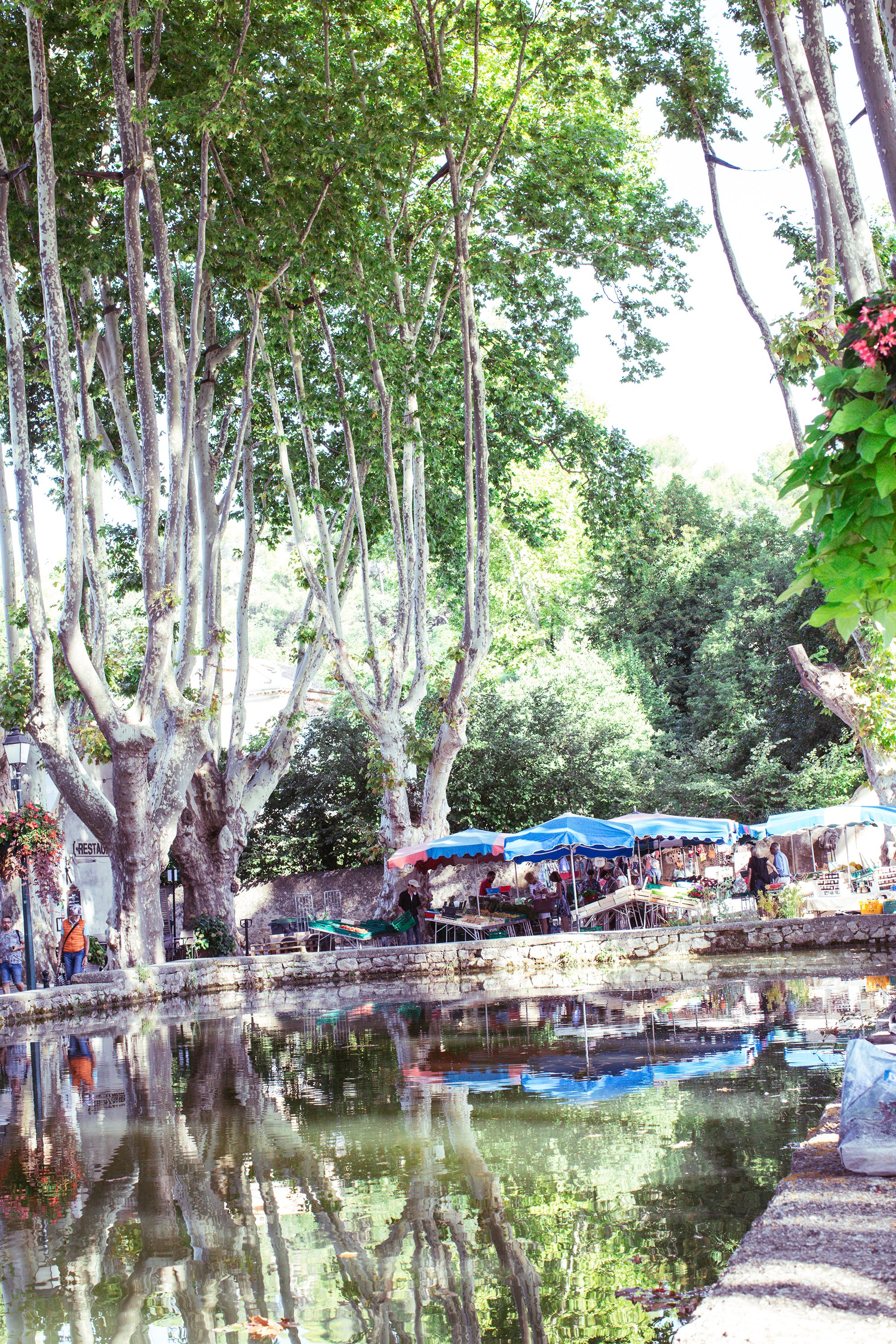

Annecy
‘Annecy, the Venice of France’
Ready to indulge in cheese and then a little bit more of it? The typical alp-style chalet village fills with pubs, fondue and raclette restaurants along with stunning canals and views of the mountains. If you are skiing in Chamonix in the winter, I would definitely visit Annecy as a day trip as it is only an hour away from there. This little gingerbread town serves the best raclette for sure.

Uzes
‘The market-filled dreamy Uzes’
Nestled in the picturesque region of Occitanie in southern France, Uzès stands as a charming medieval town with a rich tapestry of history and timeless allure. Renowned as the "First Duchy of France," Uzès boasts a well-preserved medieval core, characterized by narrow cobblestone streets, medieval architecture, and the iconic Place aux Herbes, a lively square surrounded by elegant facades and vibrant markets. The town is crowned by the impressive Uzès Ducal Castle, a historic masterpiece that offers panoramic views of the surrounding landscapes. As visitors meander through Uzès, they are enchanted by its quaint boutiques, inviting cafes, and the undeniable sense of authenticity that pervades every corner. With a unique blend of heritage and contemporary charm, Uzès invites exploration and promises an immersive journey into the heart of Provence's cultural and architectural treasures.
The town of dreamy markets, decadent Michelin star restaurants with the best escargot of the trip. I loved the feeling in Uzes, place aux Herbes, the square were everyone gathered for an early-evening drink. I found great linen, lavender soaps and home sprays from the morning market along with a handmade porcelain bowl, a fossil stone paperweight and jewelry box from the antique market.
We also visited Saint Remy de Provence, Gordes & Menerbes from Uzes


Saint Remy de Provence
Malaucene- Le Pont de Lórme
We stayed in chateau Le Pont de Lorme that was right on the edge of Malaucene’s old town, as our last stop of the trip. To be honest, we didn’t discover that much of the town as we visited many other little ones like Roussillon from here. We loved the design hotel that revolved entirely around the kitchen.

Roussillon
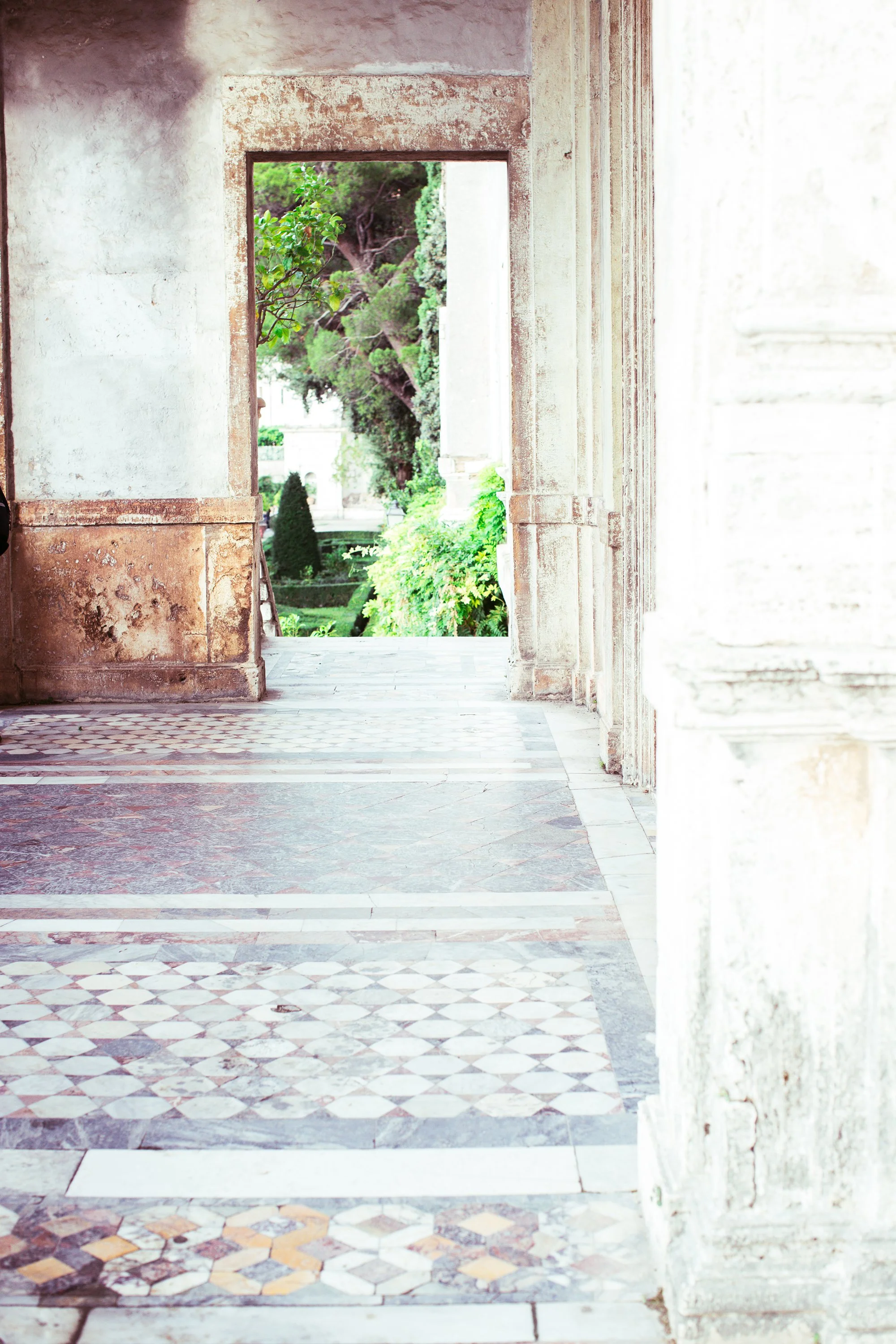
The secret Garden of Italy- Tivoli
Providing the perfect country escape, Tivoli is a small medieval town situated on the Aniene river, about 30 kilometers from Rome that is filled with beauty and history. Perched on a hilltop with an abundance of natural beauty, the town offers panoramic views of manicured gardens and archaeological sites. Driving from Apulia, our last night in Italy needed to be situated close the airport as our flight to France was early morning, so we decided to stay in Tivoli, instead of Rome. However, if you are staying in Rome with days to spare, I would recommend a relaxing day trip to Tivoli to get away from the hassle of the city.

‘Finding the secret garden of Italy in Tivoli that breathes art & history’
Providing the perfect country escape, Tivoli is a small medieval town situated on the Aniene river, about 30 kilometers from Rome that is filled with beauty and history. Perched on a hilltop with an abundance of natural beauty, the town offers panoramic views of manicured gardens and archaeological sites. Driving from Apulia, our last night in Italy needed to be situated close the airport as our flight to France was early morning, so we decided to stay in Tivoli, instead of Rome. However, if you are staying in Rome with days to spare, I would recommend a relaxing day trip to Tivoli to get away from the hassle of the city.


Tivoli is considered to be one of Lazio’s most beautiful countryside villages and therefore it was once the playground for the wealthy Roman elite during the Renaissance and classical times. This era has left the town with villas and gardens that has made Tivoli famous today and therefore is a UNESCO site because of these three; Villa d’Este, Villa Gregoriana and Villa Adriana.
We arrived to Tivoli during the afternoon and checked into the hotel upon arrival. We loved our room, so cozy and romantic! We missed lunch hour and ate on the road but after a quick shower, we headed out exploring. Feeling a little parched, we stopped for some antipasti and prosecco and walked around the beautiful old town. It seemed like a religious little place, nuns walking around, church bells ringing in the background, views like-no-other and tiny piazzas here and there. We stopped for ice cream and accidentally came across to Villa D’Este, that took our breaths away. If I envision what a secret garden would like, this would it. Villa d’Este is something like no other, it is a masterpiece of a huge garden estate. It has the most whimsical ora to it, dancing fountains, stone sculptures, grottoes, nymphs, beautiful ponds and hidden nooks that much represents european gardens in the baroque style. There is landscape, art and history to see and includes important ruins of ancient villas such as Villa Adriana
Stay We stayed in a super cozy junior suite of B&B Al Palazzetto, where the hotel was beautifully restored. The location was perfectly centred in the old town and we were able to leave our car in a secured parking in the base of the town. Great price quality ratio and highly recommend the place.
Love Walk around the picturesque old town and stop for processo and a cheese platter in one of the spilling terraces hidden in the cutest corners. Have some icecream desert and explore the gardens of villa d éste. Snuggle up in a cozy piazzas for dinner over a full-bodied red wine and steak.
Wander Walk around the sophisticated crown jewel, Villa D´Este and get lost in the gardens. Experience the natural beauty of it all, the art, landscape design and be impressed by the numerous fountains. The handwork of the Romans is impressive and I was in heaven seeing all the ancient tiles and beautiful architecture. Villa d’Este is situated across the main square of Largo Garibaldi and was originally the country estate of Cardinal Ippolito d’Este. The villa itself is a display of history; exploring the original marble floors and mannerist frescoes that then opens up to the hectares of gardens.


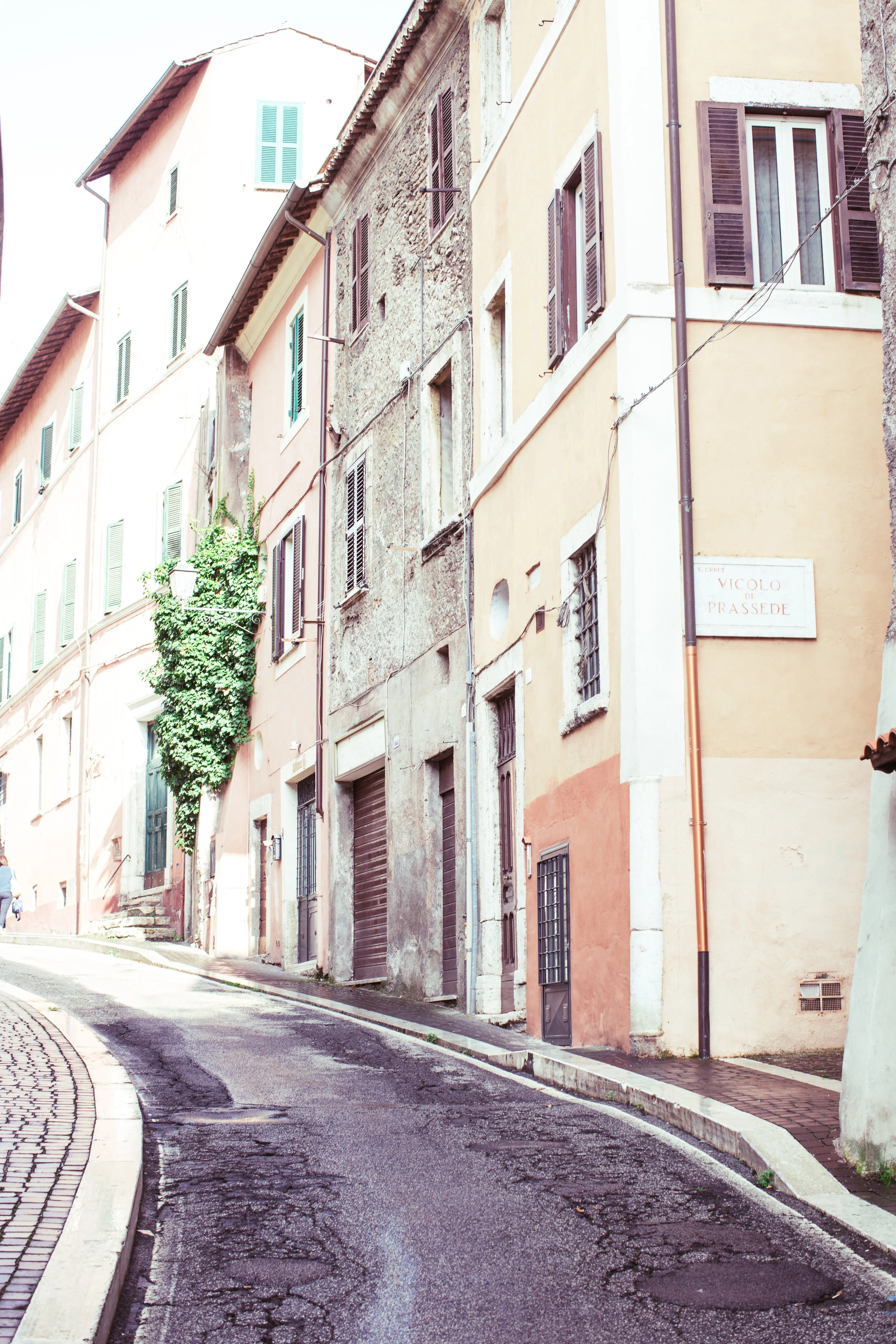

Puglian Mornings


Nestled comfortably in the embrace of a terrace chair at Masseria Palombara in Southern Italy, I find solace in the symphony of morning songbirds heralding another day in paradise. It's the early hours, around 7 am, and with my husband still nestled in our room, I relish this tranquil interlude before the day's bustling cadence begins. Delicate butterflies alight on rosemary bushes, bathed in the soft glow of the morning sun, while wildflowers gracefully dance to the whispers of a cherished breeze.
The citrus-scented air carries the promise of a new day, painting green oranges on nearby trees with the warm hues of sunrise. As the sunlight gradually ascends to the heavens, I've fashioned a charming pre-breakfast sanctuary on our terrace – a reading nook adorned with a steaming cup of black tea and an indulgent slice of freshly baked almond ricotta cake. The almonds, plucked and sun-dried from the on-site grove, infuse the cake with a robust earthiness, complementing the tangy sweetness with a rich woody flavor.
Sipping from an exquisitely crafted cup, I lose myself in the pages of my book, allowing the morning to unfold at its own unhurried pace. These early hours are nothing short of magnificent – a blend of tranquility and warmth, embodying the quintessential southern charm. In this haven of morning bliss, each sip of tea, every morsel of cake, becomes a celebration of the simple and profound beauty that defines the dawn in Southern Italy.


‘Immersion of all senses, Masseria Palombara’
Puglia, wildly preserved with authenticity is a beautiful world of its own that only has opened its doors to the rest of us in the past decade or so. In May, the fields scatter with wild flowers, in June the wheat ripens, August is full of figs, September brings the start of grape harvest and October brings olives. The Italian heel is a collection of white-washed towns with narrow streets where handmade Orecchiette exists and is home to seductive luxury farmhouses. Tucked away in the countryside of Oria is a picture-esq escape, Masseria Palombara, a chic leisurely resort, where simplicity blends into humble elegance.

‘The hidden gem shows Puglia in all its authentic beauty that is an immersion of all senses’
Puglia, wildly preserved with authenticity is a beautiful world of its own that only has opened its doors to the rest of us in the past decade or so. In May, the fields scatter with wild flowers, in June the wheat ripens, August is full of figs, September brings the start of grape harvest and October brings olives. The Italian heel is a collection of white-washed towns with narrow streets where handmade Orecchiette exists and is home to seductive luxury farmhouses. Tucked away in the countryside of Oria is a picture-esq escape, Masseria Palombara, a chic leisurely resort, where simplicity blends into humble elegance. Life is easy here, designed for unwinding where comfort meets indulgence that surrounds itself with olives, almond trees, vineyards and Southern beauty.
Sitting underneath the shaded pergola, I sip my coffee from a ceramic cup that is blue and yellow in colour and listen to the birds in the horizon. A few lizards brush by and I breath in the gentle country air and watch as the sun rays make their morning debut. The limestone tiles beneath my feet provide a cooling sensation and I take in these slow Apulian mornings, that capture your heart. Angelo, the owner of the masseria and his wonderful family aim to provide a human experience that feeds the soul. An ambiance that encourages slow and sustainable living, being connected to nature and yearn its surroundings, the way the locals do. Palombara understands the appreciation of small things and how collectively they make a cultural enriching experience.


Surrounded with Pugliese hospitality and true Mediterranean spirit, wine and food play a big role as almost everything you’ll find on the table was grown up in Palombara. Sustainable and ecological are what the Apulian mentality is all about and it’s beautiful to watch how the rich gardens provide it’s customers with a great culinary experience. Lunch is eaten at poolside if the weather provides and dinner is served in candlelight in the coziest atmosphere. The menu is small, just the way it should be and each mouthful is a dance to the taste buds. Its romantic, unpretentious and peaceful where the guests are treated like a little family, all hidden inside the walls of a luxury resort.
Visually impeccable, every corner is stimulating to the eye, it’s simple and not excessive with much attention brought to details. Flowers arrangements spill off antique wooden tables, bold grottaglie ceramics add extra punch, washed-out carpets, glass vase lined nooks and rich mandarin trees cast shades on the lime stone walls. The detailing is infectious creating a serene space to call your home on holiday. Linen clothes lay on tables and carefully picked out pots and candles rest in every spot and the imperfect perfection reflects upon every detail. Rooms are left with the spirit of the farm, but are comforting and made to rest your soul. Start the mornings with a hammam steam room, read a book by the pool, eat amazing local delicacies, visit a few towns and let the Apulian way of life spoil you.

Just the right amount of rustic beauty, where fresh fruit from the trees are served in tin pots and the linen garments on the staff match seamlessly to the interior and style of the masseria. It’s simple but full of elegant flair. Every moment is an instagramers setup and a photographers dream.
A farmers plate for lunch with freshly picked produce during sunrise. We were lucky enough to experience the vegetable picking with the farmer early morning and he showed us his garden route as the sun was rising to the sky.


The seaside Gallipoli
It was a brutally hot day for being late september when we visited this little seaside town for the first time and all I could remember was, how amazing it would be to dip into the crystal clear waters! We took a drive from Oria to Gallipoli as we were staying in Masseria Palombara and decided to make the most of visiting beautiful places near by. The beauty of Apulia is that it is scattered with breathtaking towns all across the coast making it an ideal holiday destination as there is much to explore at a leisurely pace.


‘An old island town with surrounding transparent water’
It was a brutally hot day for being late september when we visited this little seaside town for the first time and all I could remember was, how amazing it would be to dip into the crystal clear waters! We took a drive from Oria to Gallipoli as we were staying in Masseria Palombara and decided to make the most of visiting beautiful places near by. The beauty of Apulia is that it is scattered with breathtaking towns all across the coast making it an ideal holiday destination as there is much to explore at a leisurely pace.
Gallipoli is located in Puglia’s Salento peninsula on the Ionian coast. Famous for its beaches and island lifestyle, this little fishing village is home to impressive baroque churches and a grand palazzi that is a reflection of the towns former wealth as a trading port. The charming limestone old town surrounds with a seafront promenade that circles around the town. The labyrinth-like old town spills with little cafes and restaurants during the summer months allowing time to stand still for a while.
We saw people lounging in the clear water and seeking shade under the umbrellas on the beaches as we walked up to the little old town through the port front. We pass through a little fish market that sold fresh oysters, sea urchins, mussels and all kinds of fish, fresh from the morning catch. From the moment I saw people buying fresh sea urchins and eating them on the go, I knew I would like the vibe of this town…
Both the north and south coastline surrounds with transparent water beaches making Gallipoli a seaside summer escape for holidaying Italians. This place is an evident summer town that comes to life during the warmer season, just like the town of Vieste.
Gallipoli translates to “beautiful city” in Greek and beautiful it certainly was. The town breathes the salty sea air, while the paths fill with rusty iron balconies and aquatic doors. Elders sit at their door step, others are enjoying drinks in little nooks and fisherman unwind their nets by the sea and the slow pace of this town invites you to stay. A relaxing stroll and a stop for a wine, espresso or a cooling lemon-gelato that almost instantly melted in our hands was a great way to spend the afternoon. We visited during siesta hours just post lunch time, so the town was peaceful and calm beating to the rhythm of the waves.


The limstone town, Vieste.
Welcome to Vieste, a captivating coastal town nestled along the ruggedly beautiful Gargano Peninsula in southern Italy. Perched on the Adriatic Sea, Vieste enchants visitors with its dramatic cliffs, golden beaches, and a historic town that whispers tales of ancient maritime heritage. Wander through narrow alleys adorned with whitewashed buildings adorned with colorful flowers, each corner revealing a piece of the town's rich history. Renowned for its iconic Pizzomunno, a towering monolith that stands guard over the azure waters, Vieste beckons travelers to explore its picturesque Old Town, where medieval charm meets the vibrancy of Italian coastal life. With its sun-drenched landscapes, crystalline waters, and the warm embrace of the Mediterranean breeze, Vieste promises an unforgettable sojourn along the sun-kissed shores of the Gargano coast.

‘The white washed cliff town”
Welcome to Vieste, a captivating coastal town nestled along the ruggedly beautiful Gargano Peninsula in southern Italy. Perched on the Adriatic Sea, Vieste enchants visitors with its dramatic cliffs, golden beaches, and a historic town that whispers tales of ancient maritime heritage. Wander through narrow alleys adorned with whitewashed buildings adorned with colorful flowers, each corner revealing a piece of the town's rich history. Renowned for its iconic Pizzomunno, a towering monolith that stands guard over the azure waters, Vieste beckons travelers to explore its picturesque Old Town, where medieval charm meets the vibrancy of Italian coastal life. With its sun-drenched landscapes, crystalline waters, and the warm embrace of the Mediterranean breeze, Vieste promises an unforgettable sojourn along the sun-kissed shores of the Gargano coast.
Vieste is the type of niche place where you can slide into your summer loafers, let your hair soak the seaside air and take a breather glazing into the turquoise sea. While you seek for shade under the bougainvillea, shop for local produce from little trucks and buy olive oil, cheese and spices from the market to take back home. Tuck your fingers into the most delicious seafood or orecchiette and let your legs get lost in the all white streets that need no introduction. In all honesty, the slow cooked seafood stew and tuna tartar brought us back to this town that I have been craving the last four years.
The Gargano Peninsula exists about 5 hours from Rome via car in the province of Foggia, Apulia. The “less known” region differs from the more visited areas like Salento or the Valle d’Itria with its lush pine forests, olive groves, limestone cliffs, seacaves and endless beaches. From the region we have visited Vieste and Monte Sant Angelo, the last time four years ago. We always wanted to come back to Vieste, so this time around it was perfectly on route on our drive down to Puglia. Apparently other cute towns in Gargano include, Vico, Manfredonia, Rodi and Peschici.
Nevertheless, Vieste is a pretty seaside town that sits on a limestone cliff with a picture-esq old town that lines with beaches and overlooks the Adriatic sea. It’s a typical lazy town built from a maze of steep stairs, where washing hangs from simple white houses that surrounds with a panoramic walk around it all. Just like any other Apulian old town, it is made for wandering. Visit the 11th century Cathedral of Santa Maria Assunta, but in Romanesque style and snap the cutest pictures just below the stairs. Here you are surrounded with white brick, darling arches, you can hear the canary birds singing from inside someones house and the gentle sea breeze pushes through the narrow streets giving some form of comfort on a hot day. Stop for cappuccino at carpenter on the little piazza of Largo Seggio, have lunch at box 19 (order the seafood stew) and dinner at a cozy cave restaurant called al dragone.
Due to our itinerary, we only stayed for 1 night & the following day but it was enough time to explore the cute streets, shop at the market for spices and experience the amazing food that the South has to offer. Vieste is a total summer town that makes a great base to explore the Gargano region.


Bleached Beauty, Cisternino
Nestled in the heart of the enchanting Puglia region, Cisternino emerges as a quintessential Italian gem, where time seems to stand still amid its historic charm. Cisternino is located in the province of Brindisi located right next to other gems, such as Martina Franca and Locorondo.

‘Charming little Gem in the heart of the trulli region’
Nestled in the heart of the enchanting Puglia region, Cisternino emerges as a quintessential Italian gem, where time seems to stand still amid its historic charm. Cisternino is located in the province of Brindisi located right next to other gems, such as Martina Franca and Locorondo. It is in the heart of Puglia’s trulli region that makes the most scenic (and my all time favourite) drive when exploring the little towns of Valle d’Itria. This picturesque town, perched atop the rolling hills of the Itria Valley, captivates visitors with its whitewashed buildings adorned with vibrant flowers and labyrinthine alleyways steeped in history. Renowned for its unique circular layout and traditional trulli houses, Cisternino provides an authentic glimpse into Puglia's rich cultural heritage. As the sun sets, casting a warm glow over the rustic stone facades, Cisternino transforms into a captivating haven where the echoes of bygone eras harmonize with the lively ambiance of local trattorias and family-run osterias. A visit to Cisternino promises an immersive journey into the soul of Puglia, where age-old traditions and modern allure coalesce seamlessly.
Surprisignly we have put a blind eye to Cisternino’s existance, even though we have been driving around (and criss-cross) the region for many years, thus we were happy to discover something new! We randomly drove to Cisternino from Masseria Palombara one morning and came back for lunch another day as we were curious to try their butcher style restaurant.
Listed as one the most beautiful small town of Italy, Cisternino has its obvious charm with a hint of Greek influence (originally found by greek settlers), Medieval style architecture where streets intertwine with beautiful archways, bleached streets, hidden courtyards and balconies awash in flowers. The Torre Civica is the gateway to the historic centre that seems to be remained virtually intact for centuries. Visit the 13th century Church of San Nicola sits on the foundation of the former Greek orthodox monastery and breath in the countryside views spotting cone-shaped trulli roofs in one of the cozy parks. Elderly men sit in shaded park benches in little groups and elderly women often sweep in front of their homes arranging flower pots keeping everything in pristine condition. Cisternino has a similar look to Locorotondo and it’s easy to fall in love with its understated charm.
The day starts with locals sipping on espresso at little piazzas with large white umbrellas, when the town only starts to awake. Boutiques open far later in little towns in the South and here, it’s perfectly acceptable to enjoy a slow morning while reading the paper. Nobody is running around and there is a respect for time here. As evening progresses, people gather for an aperitivo to wind down from the day. Community seems to be tight, a bit artsy and the ambiance is charming. For the size of the little town, it seems to have a numerous amount of different cafes and restaurants, and macelleria-eateries, meat markets where you choose what you want and they grill or roast it for you while you wait. Little did we know that this town is famous for its barbecuing butchers, this was a total treat for my meat lover husband. We ate ourselves into a total food coma from having a 1kg t-bone steak, local sausages/parcels (filled with mince, cheese and ham, carpaccio, baked potato etc. We sat outside with a carafe of local wine and indulged in total goodness, finishing the meal off with a strong espresso from little plastic cups. Not only is this eating style economical, it brings a sense of togetherness, you see the fresh produce in front of you and it’s simple, the way it should be.
The darling square of Piazza Vittorio Emanuele seems to be the heart of the town. With a tiny chocolate shop (chocolab) to your right and the clock tower in front, let the little roads lead you its tiny charming streets. Start your morning at the tiny cafe ‘Bistrot food art & design’ and sip on some rich cappuccino sitting in the light sun in one of the mosaic tables observing people go by. Have a bruschetta and extra avocados and let the coffee work it’s magic on you. Stroll around the beautiful town, make sure to stop at the Via Giulio II for the most envious flower spilling balconies. Visit the little boutiques and make your way to lunch at the butcher style Al Vecchio Fornello.

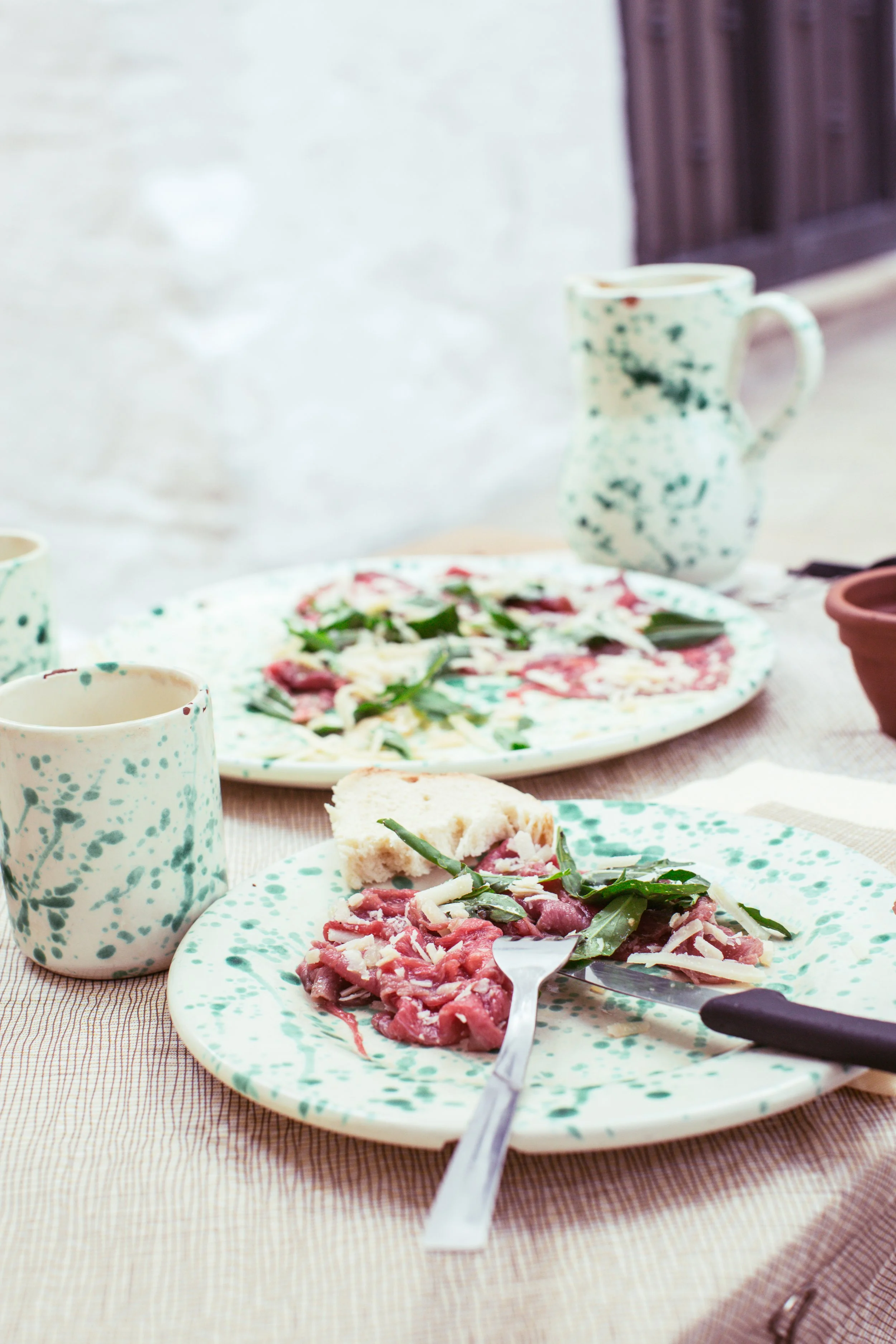

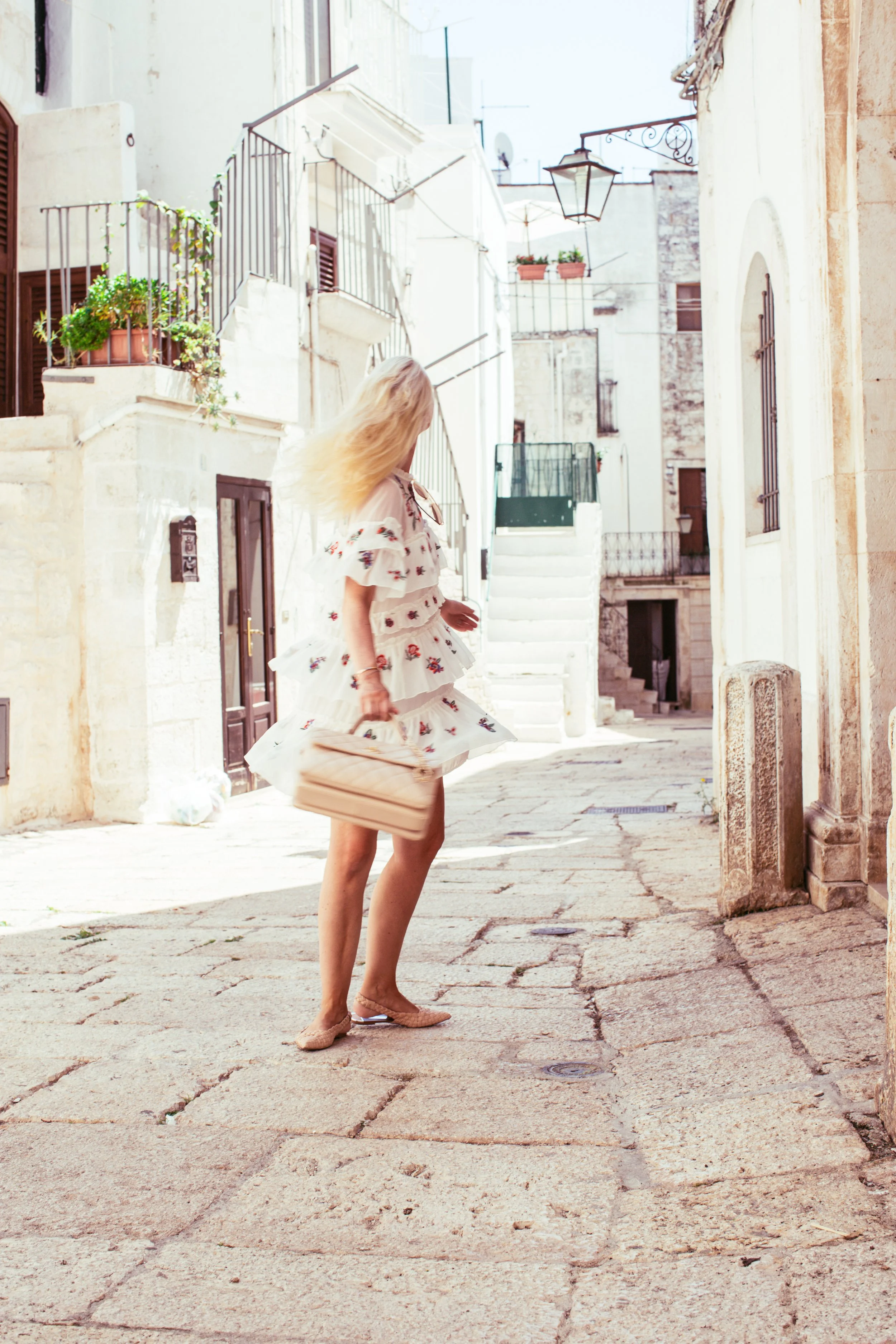


The Baroque city, Lecce
Embark on a journey through the picturesque city of Lecce, a treasure trove of art and architecture, where every step unfolds a wondrous spectacle. Known as the "Florence of the south," Lecce beckons you to begin your day with the local ritual of sipping iced almond milk, an invigorating prelude to the enchanting adventure that awaits within its ancient walls.

Embark on a journey through the picturesque city of Lecce, a treasure trove of art and architecture, where every step unfolds a wondrous spectacle. Known as the "Florence of the south," Lecce beckons you to begin your day with the local ritual of sipping iced almond milk, an invigorating prelude to the enchanting adventure that awaits within its ancient walls.
As you traverse through the arches into the walled old town, let your eyes become the guide, absorbing the intricate details that adorn the baroque-style buildings. Lecce, the crown jewel of the Salentine Peninsula, boasts a limestone historic center that echoes with a rich history spanning 2000 years. Brimming with rustic charm, the city invites you to wander aimlessly, allowing the allure of flower-filled balconies and impromptu parma ham pit stops to weave their magic.
No sightseeing guide is required in this city of experience, where every cobblestone street whispers tales of Roman ruins, a 2nd-century amphitheater, 22 churches flaunting ornate baroque designs, and the grandeur of Piazza del Duomo leading you into a maze of beautiful, narrow streets. Feel the weight of history in the sandstone walls as you lose yourself in the golden-hued labyrinth.
Lecce's charm extends beyond the historical day; it transforms into a lively hub in the evenings. Cozy restaurants and wine bars beckon, offering ideal settings for leisurely lunches, glasses of wine, and indulgent antipasti. The city comes alive with the hum of people gathered in small bars, meandering through the streets, or exploring the myriad of inviting shops that line the alleys.
Nestled in this vibrant city is the charming hidden gem, Mantateluré (Via Vittorio dei Prioli, 42), a haven where exquisite rooms and a charming terrace create an idyllic retreat. The attentive staff adds to the allure, providing valuable recommendations, such as the robust and rustic Nonna Totti—a culinary haven reminiscent of your grandmother's authentic Italian cooking. Lecce, a city that seamlessly blends history, charm, and culinary delights, awaits your exploration.


5 restaurants in Lecce
Alle Due Corti
Located in the heart of Lecce, Alle Due Corti offers a refined dining experience with a focus on traditional Salentine cuisine. The menu features a delightful array of local specialties, prepared with a modern twist. The charming atmosphere and attentive service add to the overall dining pleasure.
Trattoria Le Zie
A hidden gem tucked away in the winding streets of Lecce, Trattoria Le Zie is celebrated for its authentic Puglian dishes. From handmade pasta to fresh seafood, the menu showcases the region's culinary prowess. The cozy ambiance and friendly staff make it a favorite among locals and visitors alike.
Osteria degli Spiriti
For a gastronomic journey through the flavors of Salento, Osteria degli Spiriti is a must-visit. Set in a historic building with a charming courtyard, the restaurant offers a diverse menu featuring locally sourced ingredients. The extensive wine list complements the culinary experience, making it a top choice for food enthusiasts.
Mamma Elvira
Mamma Elvira is a family-run restaurant that captures the essence of home-cooked Italian meals. The menu reflects the warmth and authenticity of Puglian cuisine, featuring hearty portions of pasta, fresh seafood, and delectable desserts. The intimate setting and personalized service create a welcoming atmosphere for diners.
Corte dei Pandolfi
Nestled in a picturesque courtyard, Corte dei Pandolfi is a charming eatery offering a fusion of traditional and contemporary dishes. The chefs showcase their creativity with inventive flavor combinations, highlighting the diverse culinary influences of the region. The cozy setting and emphasis on fresh, local ingredients make it a standout dining destination in Lecce.


Beyond the Grand Canal
Undoubtedly, Venice stands as one of Europe's most tourist-laden cities, yet the true enchantment unfurls when one ventures beyond the well-trodden paths, delving deeper into an authentic Venetian experience. Navigating the labyrinthine streets, each turn reveals hidden gems — captivating piazzas adorned with winding arteries, imposing clock towers, centuries-old churches, and charming eateries. Amidst the maze of tucked canals and gothic walls, Venice emanates a majestic presence impossible to ignore.

Undoubtedly, Venice stands as one of Europe's most tourist-laden cities, yet the true enchantment unfurls when one ventures beyond the well-trodden paths, delving deeper into an authentic Venetian experience. Navigating the labyrinthine streets, each turn reveals hidden gems — captivating piazzas adorned with winding arteries, imposing clock towers, centuries-old churches, and charming eateries. Amidst the maze of tucked canals and gothic walls, Venice emanates a majestic presence impossible to ignore.


Venice, often a subject of controversy and varied opinions, has garnered mixed reviews. Despite my initial hesitation, I abstained from Venice for nine years, fearing a chaotic environment and a lost sense of authenticity. However, a week spent in the city proved my apprehensions wrong, leaving me utterly mesmerized by its architectural and artistic grandeur. Venice, a place that demands time to uncover its layers, should not be hurried through. The city has earned a reputation for being described as dirty, touristy, overpriced, and chaotic. This perception stems largely from the influx of cruise ship visitors, around 30,000 per day, converging on the main sights, creating a cramped spectacle in the narrow streets. I empathize with the frustration this may cause, particularly in the height of summer. My advice is threefold: avoid the high season, venture away from the main sights to escape the crowds, and explore early morning or late evening when the city breathes with a serene calmness.
Spending a week in Venice allowed us to delve deeper into its roots, discovering a city that unwinds and reveals its peaceful side once the day-trippers disperse. By deviating from the well-trodden paths, one can navigate a Venice large enough to avoid overwhelming masses. May, away from the prime summer influx, proved to be an ideal choice for our exploration. The Rialto Bridge and San Marco Square, chaotic during the day, transform during sunrise into serene havens with a scattering of photographers and locals enjoying their morning coffees.
Addressing the commonly perceived expense of Venice, it's true that the city can be pricey compared to other Italian counterparts. However, with meticulous research, one can explore Venice on a budget. Dining costs vary, and occasional service fees can be steep, but diligent planning can help mitigate expenses. Traveling by boat might incur costs, but opting for a water bus provides a budget-friendly alternative.
In conclusion, Venice merits exploration, inviting you to let your gaze wander across weathered facades, waterlogged corridors, and tranquil piazzas, revealing the city's timeless allure.


Immerse yourself in the subtle tapestry of Venetian details — the gracefully arched windows, reminiscent of Moorish design, crowned with domes and adorned with glass crafted from repurposed bottle bottoms. Take notice of the intricate wrought-iron handrails that guide your journey, each curve telling a story of skilled craftsmanship. Wander through enchanting passageways, where vibrant flowers and trailing vines spill over, creating a picturesque cascade of natural beauty. Venice, a city steeped in the patina of time, offers a palette of fading colors that seamlessly blend with the tranquil blue-green reflections of its waters against historic facades.
Venture into the heart of the city and discover tucked-away shops nestled in the corners of splendid Gothic buildings. Each corner holds the promise of hidden treasures, with antique wonders that captivate the eye and transport you to a bygone era. Venice, in all its architectural splendor, invites you to unravel its secrets, encouraging you to explore the delicate interplay of history and aesthetics within its charming streets. Psst! The antiques here are nothing short of stunning, awaiting the discerning eye to unearth their stories and add a touch of timeless elegance to your journey.


A few restaurant options:
Porta d’Acqua in the San Polo Sestieri, where you will find a heavenly burrata
Al gondolieri for a cozy dinner
Alle Testiere for great seafood but Burano ( Gato Nero) provides an amazing seafood experience as well.
Cicheri ( little tapas sandwiches): Al Marca or La Cantina


Bacari in Venice, the local way.
Venice, a city suspended on water, is a mesmerizing labyrinth of canals, historic architecture, and cultural richness. Its unique charm lies not only in the grandeur of St. Mark's Square or the iconic gondola rides but also in the intimate corners where locals and visitors alike immerse themselves in the Bacari culture.

‘Gone for an espresso, some bacari & Venetian delights.. local style’
Venice, a city suspended on water, is a mesmerizing labyrinth of canals, historic architecture, and cultural richness. Its unique charm lies not only in the grandeur of St. Mark's Square or the iconic gondola rides but also in the intimate corners where locals and visitors alike immerse themselves in the Bacari culture.
Venice is surrounded with cute little espresso or bacari (this basically refers to the antipasti or tapas way of eating, but with Venetian customs) bars that make the winding streets interesting to roam. You may pass little vegetable stands, chocolate shops, delis and you always want to seek for places, where locals are. We came across a few cute places that I thought should be worth a share, along with the most beautiful views that came along the way. You often find locas eating cicchetti and ordering, “n’ombra de vin” or “uno spritz” standing up at the bar counter or around a wine barrel having a great time.
Walking around here is simple beautiful, I’m so drawn to all the muted blue shades that keep appearing in window shutters and you become so impressed by the attention to detail. I can easily look past the clichés of Venice and observe a little deeper to find a city filled with art and history. I love how dense Venice really is, you keep finding little hidden shops and cafés by accident, which you end up loving.


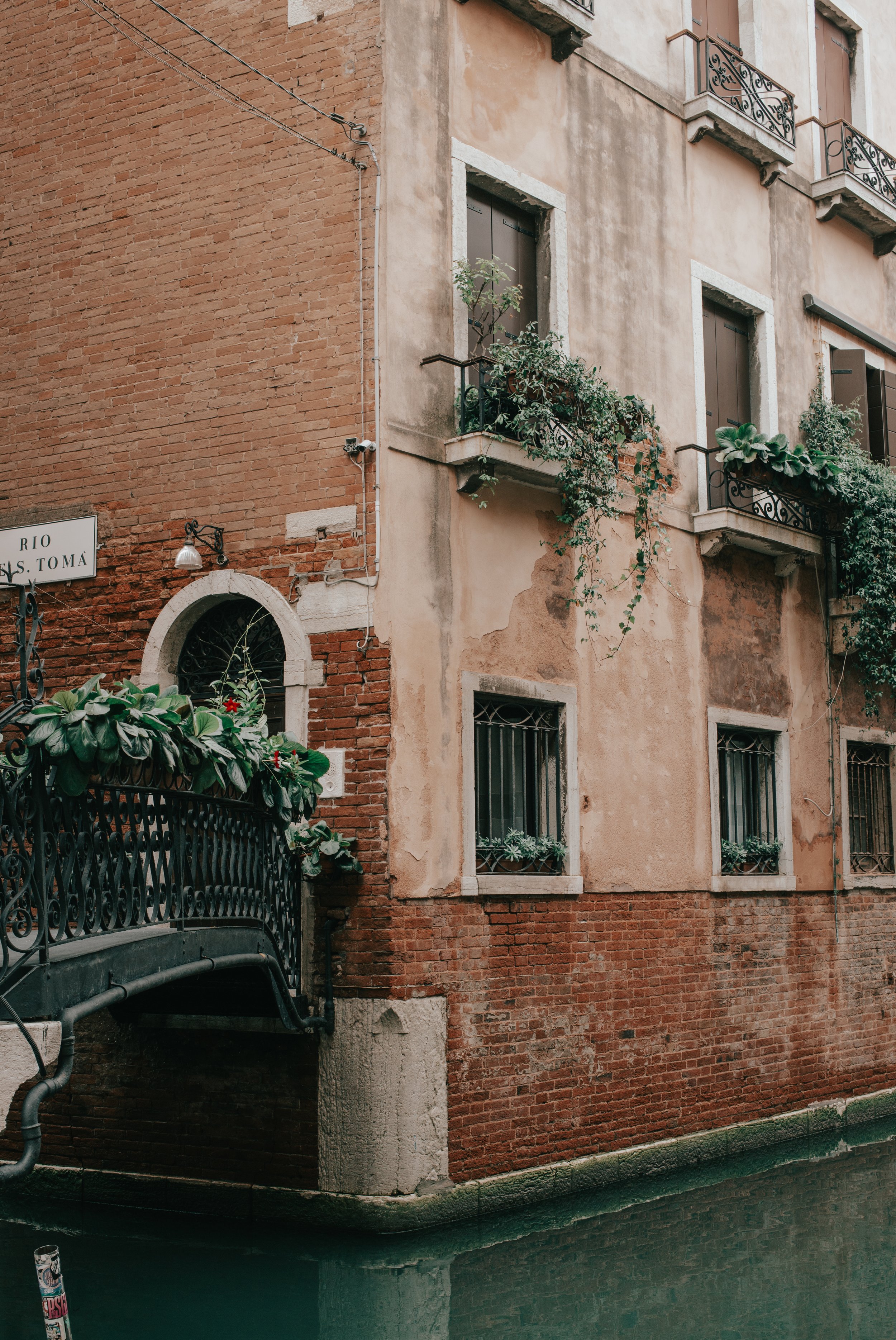
Have bacari at bistrot (Chat qui rit) and indulge in a cheese and parma ham platter and crab meat with a divine salty reduction. The cheese selection here won some type of award a few years ago and it was a great way to end the meal. Stop for an espresso (also a great cappuccino here) and pastries at a shabby cafe where all the locals lingered at caffé Brasilia Sestiere San Marco 3658a. Locals also love caffeteria Doria, it was buzzing in the mornings with people standing by the bar taking shots of 1euro espresso. There is a great authentic vibe here and equally, in the evenings it crowds with people who come together for wine and apperol. This place has a great atmosphere despite it being close to Saint Mark’s Basilica, that is filled with tourists. While you’re in the neighbourhood, stop at Cibo (Calle dei Fabbri Sestiere Sano Marco 4666) a cute delicatessen that is a jewel in the heart of the city that serves quality meets, cheeses, truffles, pasta and wine that you should for sure indulge in. Still in San Marco neighbourhood, stop for cicchetti (little sandwiches that are tradition in Venice) on Calle Della Malvasia Castello called Osteria al Portego or the hidden I Rusteghi Osteria Enoteca (Corte del Tentor, 5513) that is perhaps a little more “refined” than the traditional bar that has a lovely tiny courtyard with a wonderful wine list.


The city of Masks- Venice
Embarking on a leisurely stroll through the enchanting streets of Venice is not merely an act of window shopping; it is a journey into a realm of theatrical splendor. As you traverse the narrow alleys, boutique windows beckon with an exquisite array of elaborate costumes, mysterious masks, timeless antiques, and opulent jewelry. The very essence of this experience is heightened by the picturesque backdrop of canals crisscrossing beneath charming bridges, accompanied by the soothing symphony of passing boats.


Embarking on a leisurely stroll through the enchanting streets of Venice is not merely an act of window shopping; it is a journey into a realm of theatrical splendor. As you traverse the narrow alleys, boutique windows beckon with an exquisite array of elaborate costumes, mysterious masks, timeless antiques, and opulent jewelry. The very essence of this experience is heightened by the picturesque backdrop of canals crisscrossing beneath charming bridges, accompanied by the soothing symphony of passing boats.
In the midst of the bustling crowds, it is essential to resist distraction and seize the tranquility of the early hours. These moments allow you to absorb the profound history etched into the walls, tracing back to the V century C.E. When political power shifted to Rialto in 810 C.E., then known as Rivo Alto, Venice emerged as a prominent seaport—a vital link between medieval Europe and Asia, shaping both its economy and culture.
Venturing beyond the surface, you'll encounter a fascinating Venetian tradition manifesting in the form of masks. These symbols of freedom and transgression have adorned faces since the Middle Ages, finding a modern-day resurgence during the iconic Carnival of Venice. The city boasts numerous boutiques dedicated to these intricate masks, a visual feast that captivates the eyes and the imagination.
Among the captivating mask designs, those featuring elongated noses carry a historical resonance. Centuries ago, during plagues that befell Venice, doctors donned masks with extended noses as a sanitary measure. The echoes of this cautionary practice are seen in the masks of today's Carnival revelry.
Navigating the cityscape involves traversing its iconic bridges—a feat made more challenging with a travel stroller in tow, admirably shouldered by my husband. Intermittent pauses at standing cafes offer moments of respite, accompanied by the quintessential Italian pairing of espresso and bruschetta. A personal favorite became the local delicacy of baccala bread, an enticing blend of flavors with a hint of saltiness.
Our exploration extended beyond the tourist hubs, meandering through diverse neighborhoods and piazzas, each unveiling a new facet of Venice's timeless beauty. Amidst warm September air, we relished leisurely lunches in cozy establishments, immersing ourselves in the cultural tapestry that makes Venice an unrivaled destination.


September in Umbria
As the amber hues of September cast their warm glow over the undulating landscapes of Umbria, we embarked on a journey into the heart of Italy—a sojourn that unfolded in a harmonious dance with the region's lauded "slow life." Nestled in the embrace of our rented villa, our days were marked by the unhurried cadence of Italian living, a celebration of simplicity, culinary richness, and the exploration of nearby towns that echoed with centuries of history.

Embracing the Slow Italian lifestyle
As the amber hues of September cast their warm glow over the undulating landscapes of Umbria, we embarked on a journey into the heart of Italy—a sojourn that unfolded in a harmonious dance with the region's lauded "slow life." Nestled in the embrace of our rented villa, our days were marked by the unhurried cadence of Italian living, a celebration of simplicity, culinary richness, and the exploration of nearby towns that echoed with centuries of history.
Villa Living: A Retreat into Tranquility
Our choice of accommodation, a rustic villa tucked away in the verdant hills of Umbria, became a sanctuary for the soul. Surrounded by olive groves and vineyards, the villa encapsulated the essence of "slow life"—an invitation to savor every moment, to relish the gentle rustle of leaves, and to immerse ourselves in the quietude of rural living. Each sunrise and sunset became a canvas painted with the hues of tranquility, offering a daily reminder to embrace the unhurried pace of our Italian retreat.


Culinary Revelry: From Farm to Table
The heart of our slow-paced Italian experience lay in the kitchen, where we joyfully embraced the farm-to-table ethos that permeates Umbria. Market visits and local farm explorations led to our culinary escapades, transforming every meal into a ritual of flavors. Whether it was the robust notes of a local Sagrantino wine, the golden glow of freshly pressed olive oil, or the earthy allure of truffles, our palates danced to the rhythm of Umbria's culinary symphony.
Exploring Nearby Towns: Timeless Beauty Unveiled
Venturing beyond the confines of our villa, we set out to explore the nearby towns that dot the Umbrian landscape. Perugia, with its medieval charm; Assisi, adorned with the spiritual aura of St. Francis; and Spoleto, where ancient and modern seamlessly coexist—each town narrated a tale of history, art, and the enduring beauty of Italian heritage. The slow exploration of narrow cobblestone streets and leisurely café stops allowed us to absorb the rich tapestry of each town at our own unhurried pace.
Art of Dolce Far Niente: Sweetness of Doing Nothing
In the spirit of "dolce far niente" or the sweetness of doing nothing, our afternoons unfolded in blissful idleness. Be it basking in the Tuscan sun by the villa's pool or meandering through the local markets, we found joy in the simplicity of existence. Umbria, with its timeless landscapes and ancient charm, invited us to pause, to reflect, and to appreciate the beauty that emerges when life unfolds at its own leisurely tempo.
Our September retreat in Umbria became a harmonious symphony of slow living—an Italian serenade that transcended the ordinary. In the quiet moments and the unhurried exploration of nearby towns, we discovered the profound beauty that resides in the art of slowing down. Umbria, with its rolling hills, vineyards, and ancient towns, not only offered a picturesque backdrop but became the canvas upon which we painted our own version of the Italian slow life—a masterpiece of moments, flavors, and the timeless allure of la dolce vita.


Tuscany Guide- Three Smaller towns in the region
I wanted to share a small guide of three wonderful places we visited, all located close to Siena. We stayed in Montepulciano for three nights and during that time we drove to see other neighbouring towns, such as Montalcino and Pienza. If you are looking for picturesque little towns all in close proximity, get ready to take out your camera and walk along these cobbled streets. We traveled with our 8 month old and found all these destinations baby friendly and possible to walk around with a stroller.

Montepulciano
I wanted to share a small guide of three wonderful places we visited, all located close to Siena. We stayed in Montepulciano for three nights and during that time we drove to see other neighbouring towns, such as Montalcino and Pienza. If you are looking for picturesque little towns all in close proximity, get ready to take out your camera and walk along these cobbled streets. We traveled with our 8 month old and found all these destinations baby friendly and possible to walk around with a stroller.


A fairytale in Tuscany – Montepulciano
Where the wine is velvety smooth and rich in density, Montepulciano is a stunning hilltop town in the south of Tuscany in the province of Siena. It is surrounded with lush vineyards and the scenery of Val d’orcia and Val di Chiana valleys and the town dates back to the 4th and 5th century BC. The old town is a typical cobbled street beauty with one main road that leads up a steep walk into the centre. There are churches, idyllic piazzas, restaurants and wine shops around every corner. The town is filled with majestic buildings that have been worked on by many famous Renaissance artists like, Andrea Pozzo, Giuliano da Sangallo and Michelozzo. The town is not that big in itself, we did some wine sampling, a bit of shopping and dining. We found fabulous hand made copper pots and pans to take back home with us, along with some red wine. Like all towns in Italy, Montepulciano was very child friendly and I love how all the local elderlies stop and talk to the little one in the stroller.
The cozy Pecorino di Pienza
Pienza is only a 20 minute drive from Montepulciano so it is definitely worth a visit. We fell in love with this UNESCO-recognized town, partly due to its refined charm. The town is a cosy little spot that literally has a linger of pecorino cheese in the air. We visited the town early in the morning, strolled around and ate breakfast before our baby’s nap time, who later fell asleep in the car as we drove to visit another town nearby. Pienza is also located in Val d’Orcia, that is known as a picturesque Renaissance town that has been influenced by Pope Pius II, as it was his home town. By the main square there is a cosy little cafe that serves the most airy apricots croissants and a frothy cappuccino. Right across the cafe is a cheese shop (that you will find all over town), where you can by the most glorious aged pecorino that we sampled with our croissants. It was the most perfect morning with my boys, we sat and sipped on our coffee and watched locals open their boutiques as the day began. Walk around the edge of the town and overlook the views into the Tuscany countryside. If you are here in the evening, I would recommend to stop for a glass of wine as the sun begins to set overlooking the hills while sampling on cheese and honey.
Another wine lovers town- Montalcino
Another Mecca for wine lovers, this medieval town is world-famous for its renowned red wine, the Brunello di Montalcino, which is considered the absolute Italian wine in Tuscany. The wine ages for at least 2 years in oak barrels, and then it ages for at least 4 months in the bottle and it tastes earth and deep, rich with flavour. A 45 minute drive from Montepulciano, we loved this town; the antiquee stores, the delicious food (and wine) and atmosphere it offers. We had an amazing tartar lunch and hearty pasta and sampled on stunning red wines as we explored the town. A stroll through Montalcino reveals enchanting historical attractions, small churches and picturesque squares. With church bells ringing in the backdrop as we sample on deep ruby coloured Brunello di Montalcino. It is completed according to the strictest DOCG rules and is made with a single type of grape, the Sangiovese Grosso grape. The town is best explored by roaming without a plan and makes an ideal spot to visit for lunch.


Montalcino