
3 days in Vieste

Vieste Travel Guide: Discovering a Hidden Gem on the Gargano Peninsula
We arrived to Vieste from Bari and stayed here for the next three days from our two week holiday. Vieste, a charming and less touristy town located on the Gargano Peninsula in Puglia, is the perfect spot for travelers seeking a peaceful coastal escape. Famous for its whitewashed buildings, crystal-clear waters, and delicious cuisine, Vieste offers an authentic Italian experience away from the crowds. With a maze of narrow streets, incredible coastal views, and some of the best seafood in the region, Vieste is a destination to savor slowly.
This was our third time visiting Vieste, there is something about this little place that draws us back to it. We stayed in such a lovely air b&b, about 100m from our favourite restaurant box 19. There was also a lovely little playground close to us, where we loved to take our little boy. In the evenings before dinner, there was a carusel in the park, which was a must little activity for the little one. Also, it was nice to see that all the same old restaurants are still up and running all these years later, which stands as a testament for their quality.
Exploring Vieste: The Whitewashed Town
Vieste’s historic center, perched on a rocky promontory jutting into the Adriatic Sea, is characterized by narrow alleys, whitewashed houses, and winding staircases. Strolling through the old town feels like stepping back in time, with charming streets that invite you to explore.
Begin at the Vieste Cathedral, a 12th-century Romanesque church located in the heart of the old town. Its beautiful bell tower and historic interior make it a worthwhile visit.
Castello Svevo, an imposing medieval castle built by Frederick II, dominates the landscape and offers panoramic views over the coast. The castle is still used for military purposes, but parts of it are accessible to visitors.
Pizzomunno Beach, named after the large limestone monolith that rises from the sand, is a lovely spot to relax. The golden sandy beach and turquoise waters provide an ideal setting for sunbathing and swimming.
As you wander through the historic district, you'll also encounter quaint shops selling local products like olive oil, handmade ceramics, and traditional Puglian pastries.


Vieste & the delicious food


Culinary Delights
Vieste is a food lover’s paradise, with its culinary scene focusing on fresh seafood, locally sourced ingredients, and traditional Puglian flavors. Restaurant box 19 is our favourite seafood restaurant of Vieste, either order the lobster pasta or the fish soup and you will not be dissapointed. I mean, just look at the size of the fish soup in the image above? We also ate at La Ripa, that had a delicious tasting menu (slightly more fine dining) and Al Dragone, another great restaurants that has been around all the years we have visited Vieste.


Seafront and Beaches
Vieste’s location on the Gargano Peninsula means it's surrounded by some of the most stunning coastline in Italy. The town offers a range of beautiful beaches to suit all preferences:
Spiaggia del Castello: Located close to the town center, this sandy beach stretches for several kilometers and is popular for its gentle waves and family-friendly atmosphere. The iconic Pizzomunno rock is located here, adding to the beach's picturesque appeal.
Baia delle Zagare: About 30 minutes from Vieste by car, this beach is famous for its sea stacks—tall, rocky formations that rise from the clear water. The beach is framed by high cliffs, making it one of the most scenic spots on the peninsula.
Cala San Felice: A more secluded option, Cala San Felice is a small cove with turquoise waters surrounded by lush greenery. It's a great place for a quiet swim or snorkeling.

Things to See and Do Around Vieste
While Vieste itself has plenty to offer, there are also excellent day trips and excursions to enjoy in the surrounding area:
Visit the Foresta Umbra: Located in the heart of the Gargano National Park, this lush forest is a great escape for nature lovers. Enjoy a hike or a bike ride through the trails, where you can spot wildlife like deer and wild boars.
Boat Tour to Sea Caves: The coast around Vieste is dotted with stunning sea caves and grottoes, which can be explored by boat. Local boat tours will take you into these magical spots, where you can see impressive rock formations and swim in crystal-clear waters.
Excursion to Monte Sant’Angelo: A short drive from Vieste, this historic hilltop town is famous for the Sanctuary of Monte Sant’Angelo, a UNESCO World Heritage site and a major pilgrimage destination. The town's medieval atmosphere and spectacular views are worth the visit.


3 days in Bari, the old town


Bari Vecchia, the heart of Bari's old town, offers an authentic Italian experience filled with winding narrow streets, historic charm, delicious food, and stunning seaside views. Despite having visited Puglia numerous towns, Bari was one place we always missed. We wanted to explore new places and could not have been any happier with our choice. It felt safe, clean and we located in the old town in a cosy air b&b, where we could smell the espresso in the mornings lingering into our room through the balcony, from a cafe downstairs. Bari Vecchia, the ancient part of the city, is a maze of cobbled alleys, hidden piazzas, and historic landmarks. Here, life unfolds at a leisurely pace, with locals sitting outside their homes, making fresh orecchiette pasta, and chatting in the squares. It's the perfect place for a stroll and soaking in the local atmosphere. Bari is a lively city, close to the airport, makes a great base for three days to explore the area. We were also lucky because a big circus was in town so we took our son to a fantastic show with elephants, tigers and talented acrobats. Have a look at our full two week itinerary to see how we planned our route. After our three days, we drove to Vieste and stayed there for the next three days.

Santa Maria del Buon Consiglio- remains of a 10th century church

Short Introduction to Bari
Bari, the capital of Italy's Puglia region, boasts a rich history dating back over 2,000 years. Founded by the ancient Greeks, Bari flourished under Roman rule as an important port and trading center. During the Middle Ages, the city became a significant religious hub, especially after the relics of St. Nicholas were brought to the Basilica di San Nicola in 1087, attracting pilgrims from around the world. Throughout its history, Bari was influenced by various cultures, including the Normans, Byzantines, and Swabians, which shaped its architectural and cultural landscape.
Today, Bari is worth visiting for its blend of history, authentic Italian culture, and coastal beauty. The charming old town, Bari Vecchia, with its narrow streets, historic churches, and medieval castle, offers a glimpse into the city's storied past. Its picturesque seafront promenade, Lungomare Nazario Sauro, provides stunning views of the Adriatic Sea, perfect for leisurely strolls. Bari's vibrant food scene, featuring fresh seafood, handmade pasta, and local wines, also draws culinary enthusiasts. With its lively atmosphere, historic landmarks, and beautiful coast, Bari offers an authentic and diverse Italian experience.
Start your exploration at Piazza del Ferrarese, a bustling square where old and new come together. From here, you can walk up the stone stairs to reach the Cattedrale di San Sabino, a stunning Romanesque cathedral with impressive architectural details.
Basilica di San Nicola is another must-visit in Bari Vecchia, renowned for its Byzantine-style architecture and as the resting place of St. Nicholas. It’s a significant pilgrimage site, especially for Orthodox Christians.
As you wander, don’t miss the Arco Basso alley, where local women still make the traditional orecchiette pasta by hand. You can watch them skillfully shape the pasta or even buy some to take home as a unique souvenir.

Piazza del Ferrarese


Bari's Seafront: Lungomare Nazario Sauro
After exploring the labyrinthine streets of Bari Vecchia, head to Lungomare Nazario Sauro, Bari’s famous seafront promenade. It stretches for several kilometers along the Adriatic Sea, providing breathtaking views of the blue waters, fishing boats, and historic architecture. The promenade is perfect for a leisurely walk or a bike ride, especially during sunset when the sky turns shades of pink and orange.
The Teatro Margherita, an old theater on the seafront that now serves as an art gallery, is also worth a stop. The theater is built on stilts over the water, providing an interesting blend of culture and scenery.

Things to See and Do
Apart from wandering the streets and enjoying the culinary delights, there are other attractions to explore in Bari:
Castello Normanno-Svevo: A 12th-century Norman-Swabian castle located near Bari Vecchia, it houses exhibitions and offers a glimpse into the city's history.
Pinacoteca Metropolitana di Bari: An art gallery featuring works by local artists from the 11th century onward, including a notable collection of medieval paintings.
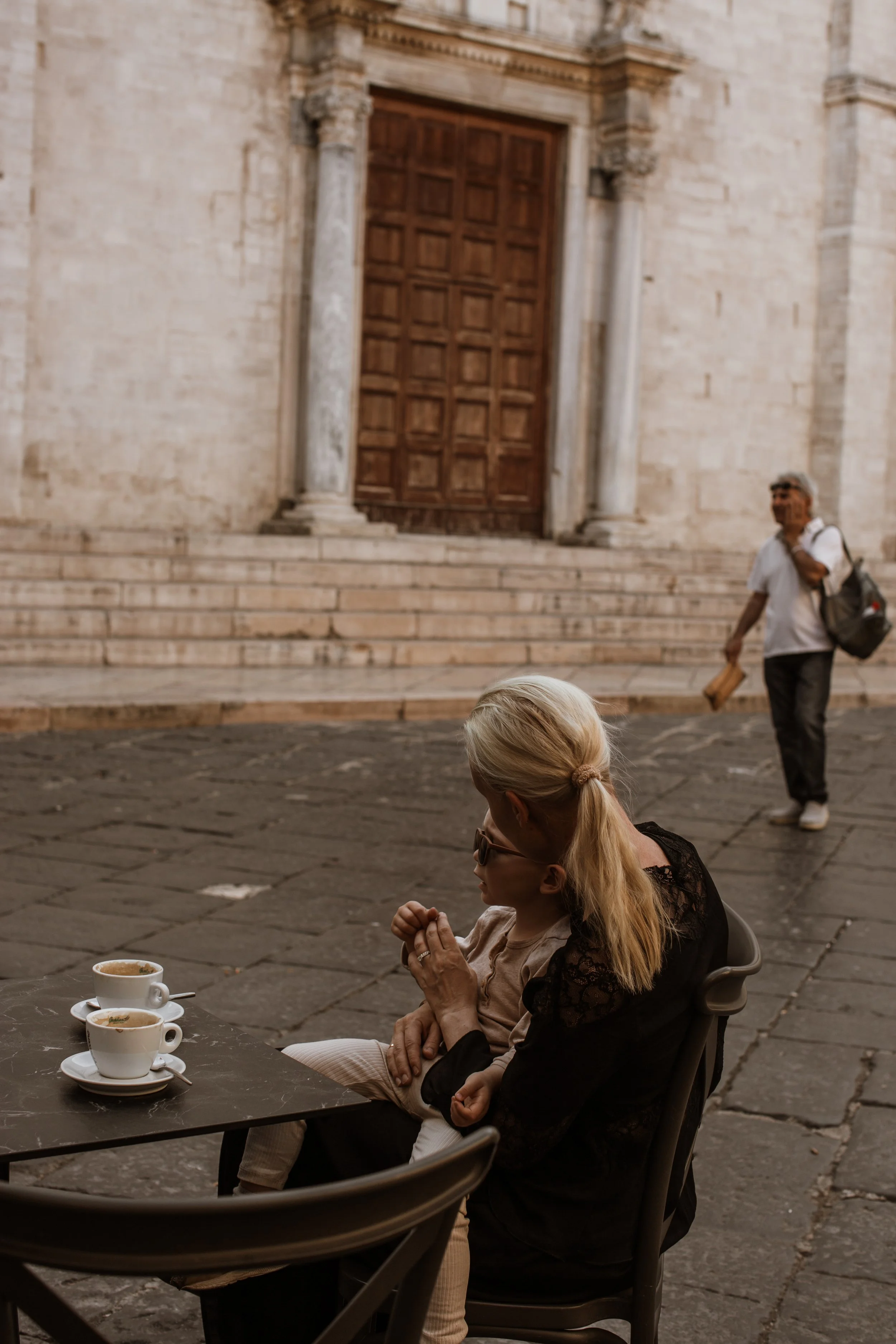
Piazza Mercantile: Another picturesque square in the old town, where you can relax at a café and enjoy a cup of coffee or an aperitivo.


Day Trip to Torre Canne: Seafood and Swimming
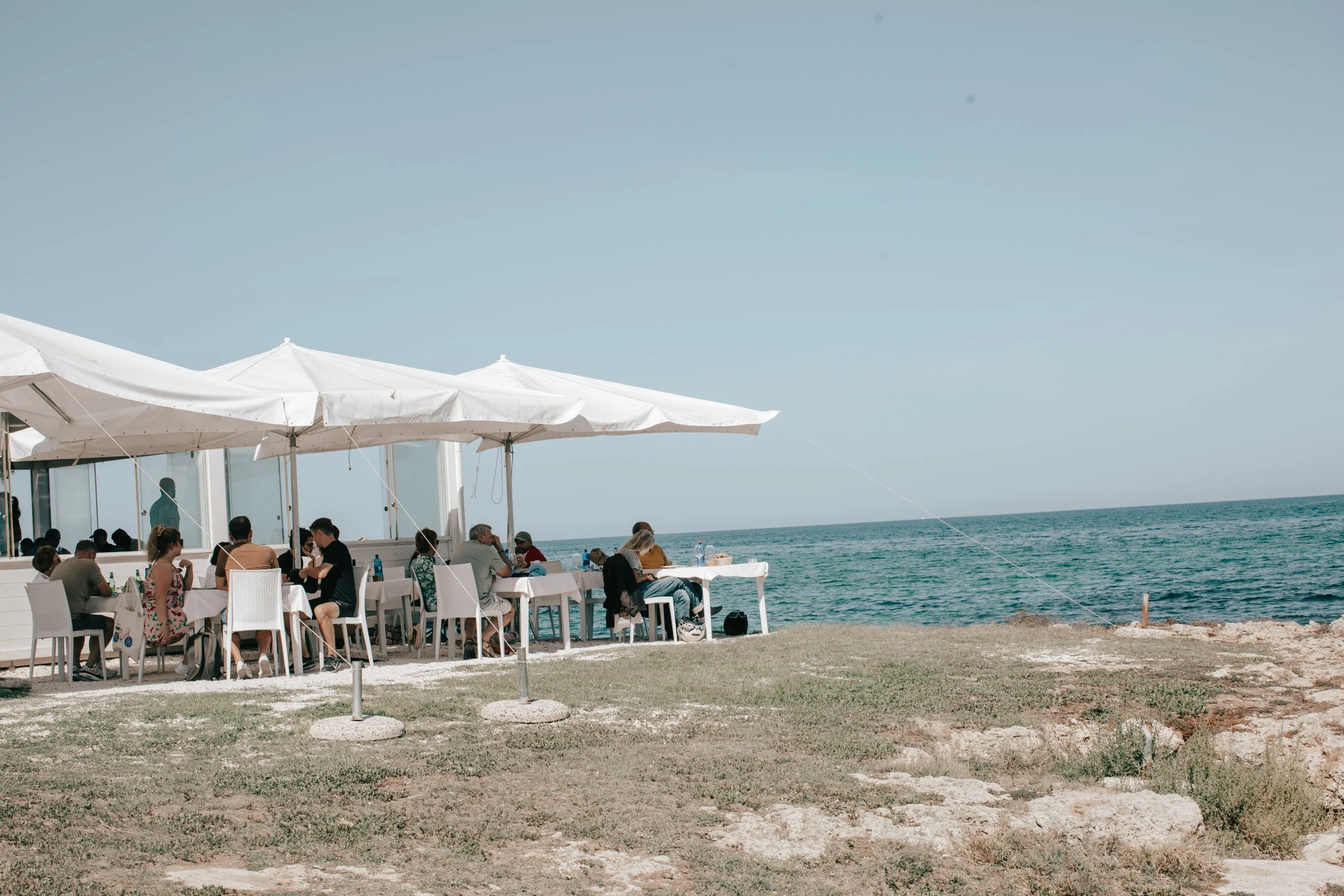
For a day trip from Bari, head to Torre Canne, a small coastal town located about an hour away by car. It’s known for its sandy beaches and tranquil atmosphere, offering a perfect escape from the city. We drove to Torre Canne, simply because il principe di Mare is one of our favourite seafood restaurants. Also the restaurant is located on a road with many quiet beaches that is lovely for an after lunch dip.
Il Principe di Mare Restaurant: This cosy seafood restaurant is an absolute must-visit in Torre Canne. Situated right by the sea, the restaurant serves an array of fresh seafood dishes, from grilled fish to raw seafood platters. It is known for it’s delicious sea urchins that come right from the waters in front of you. The atmosphere is laid-back, with outdoor seating that allows you to enjoy the sea breeze as you dine.
Swimming Spot Near the Restaurant: After a delicious meal, take a dip in the crystal-clear waters next to the restaurant. The beach is sandy and the water is shallow, making it ideal for a refreshing swim.


Bari is an ideal destination for a 3-day getaway, offering a perfect mix of history, culture, and relaxation. With its charming old town of Bari Vecchia, beautiful seafront promenade, and rich culinary traditions, the city provides an authentic taste of Southern Italy. You can explore historic landmarks like the Basilica di San Nicola, enjoy fresh seafood at local restaurants, and take leisurely walks along the scenic coastline. The day trip options, such as Torre Canne for beach time and fantastic seafood, add to the variety of experiences. Bari’s blend of historic charm, coastal beauty, and delicious food makes it a captivating destination for a short but memorable stay.


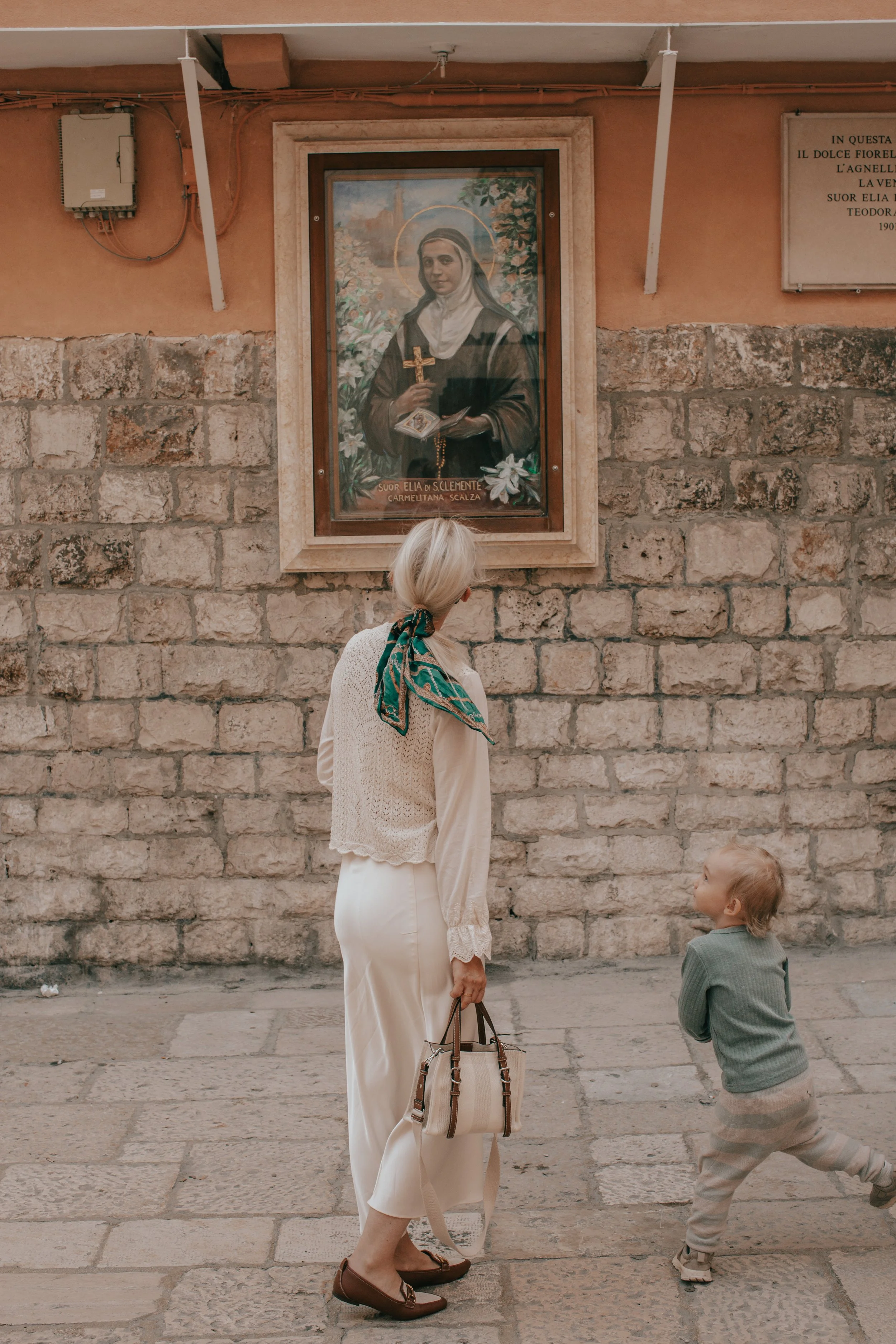
2 week Guide to Puglia

The beautiful whitewashed town of Vieste
Two week trip to Puglia staying in six different towns for versatility
It has been a good 5 years since we have been to Puglia the last time, so we thought it would be lovely to have our next holiday back down south of Italy. We traveled in the end of September for two weeks and we could not have been any luckier with the weather. It was about 26 degrees every single day but not as terribly hot as during the mid of summer. As per usual, we rented a car and traveled to different towns and a couple of masseria’s (typical farm house hotels) so we would maximise seeing different places. I wanted to share this itinerary with you guys, incase you are interested in traveling the same route.
Often we fly to Rome and drive down to Puglia, but this time we flew straight to Bari and stayed here for the first three days. We traveled with our almost three year old, so this trip is perfectly suitable for children too. We traveled from Bari- Vieste- Masseria-Masseria- Otranto and Cisternino. We have been to Puglia 4 times before and have visited many of the towns in the region and this time around, we could not have been any more happier with our route of choice.
Short Introduction to Why you should visit Puglia
Puglia, also known as Apulia, is a stunning region in southern Italy that forms the heel of Italy's "boot." It is renowned for its picturesque landscapes, charming villages, and historic architecture. The region boasts a coastline with crystal-clear turquoise waters, sandy beaches, and dramatic cliffs along both the Adriatic and Ionian Seas.
Puglia is also famous for its distinctive whitewashed hilltop towns, such as Ostuni and unique conical-roofed houses called "trulli" found in Alberobello. Its rich history is evident in ancient sites like the Castel del Monte and Baroque architecture in cities like Lecce. The region's delicious cuisine, featuring fresh seafood, local olive oil, and traditional dishes like orecchiette pasta, adds to its charm. The Adriatic sea is crystal clear to swim in and the beautiful countryside landscape makes the region ideal for road trips. Stay inland or on the coast for contrasted beauty and visit traditional masseria’s that are stunning farm hotels.


Bari
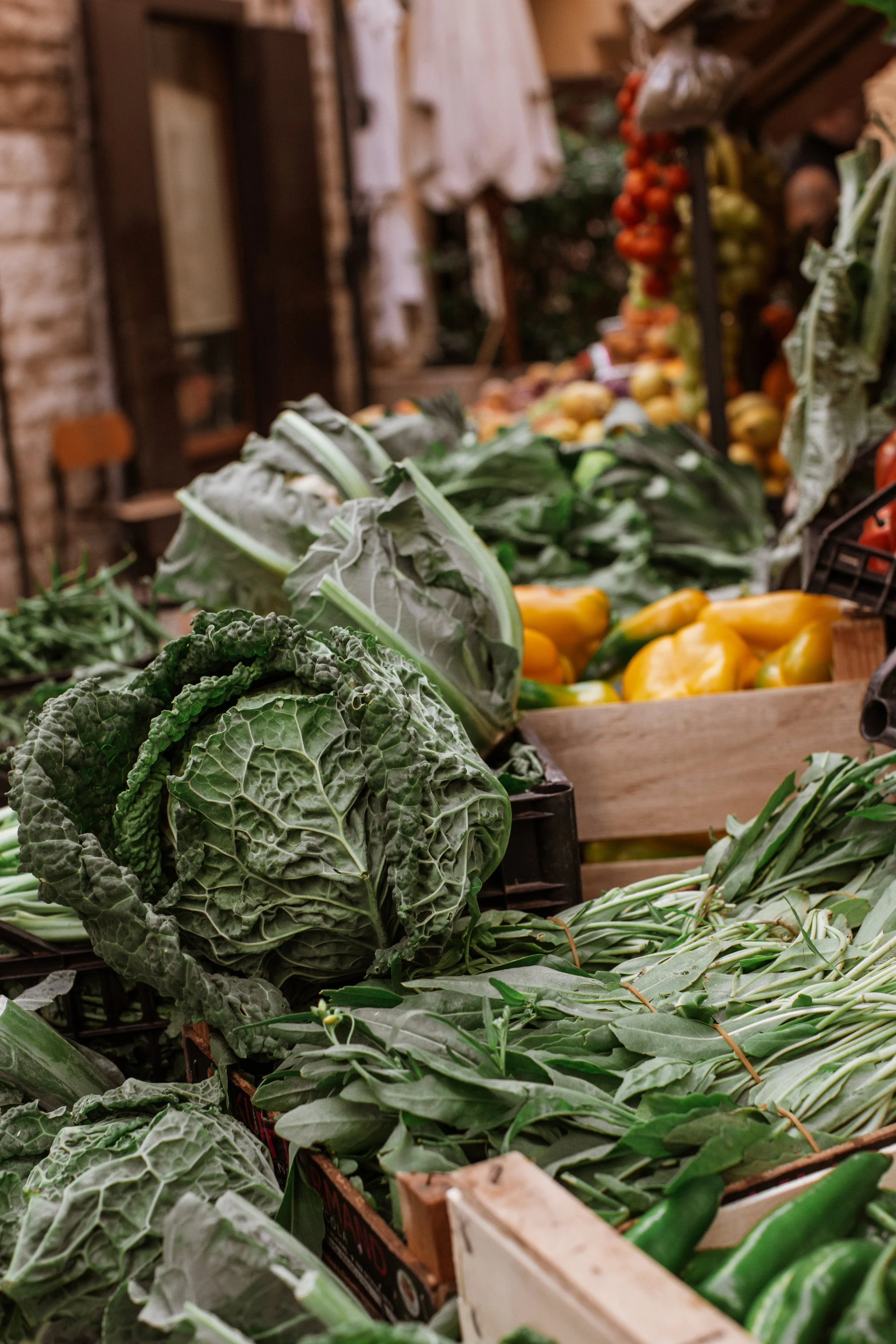
We stayed in Bari for the first three nights. We hadn’t been to Bari before but was positively surprised what a lively vibrant city it was. We stayed in an air B&B right in the heart of the old town (which is usually where we aim to be when we travel) called Bari Vecchia. We had a sweet little room with a balcony straight into a busy narrow street that was full of vegetable shops and cafes. When deciding where to stay, we often google the restaurant selection and when you notice there are a lot of good looking restaurants, that often persuades us to stay in the area. With this method, we have found a lot of great places, like Montefalco in Umbria.
Bari, the capital of the Puglia region in southern Italy, is a vibrant port city that beautifully blends history with modernity. Its heart lies in the old town, known as Bari Vecchia, a maze of narrow, winding streets filled with character. This historic quarter is famous for its medieval architecture, ancient churches, and lively atmosphere. At the center stands the Basilica of San Nicola, a stunning 12th-century church that houses the relics of Saint Nicholas, making it a significant pilgrimage site.
Bari Vecchia's charm also lies in its authenticity; local residents can often be seen making fresh pasta by hand, and there are plenty of small cafes and trattorias where you can savor traditional Apulian dishes. The old town's seaside promenade, Lungomare, offers beautiful views of the Adriatic Sea and is perfect for an evening stroll. With our luck, there was an amazing circus in town that we went to see with our little boy creating the most amazing memories.


Insiders tip:
Make a day trip to Torre Canne (30min drive from Bari) for the most amazing seafood lunch at Il Principe del mare, where you can have fresh sea urchins straight from the sea from infront of you. We have been coming to this restaurant every time we visit Puglia. The restaurant is located on a road that is full of secluded beaches, where you can catch a few families swimming or fishing and strongly encourage you to go swimming after the lunch. Our son loved collecting rocks by the water and it was amazing to dip our feet into the water after lunch.

You may need a reservation as the place fills up fairly quickly

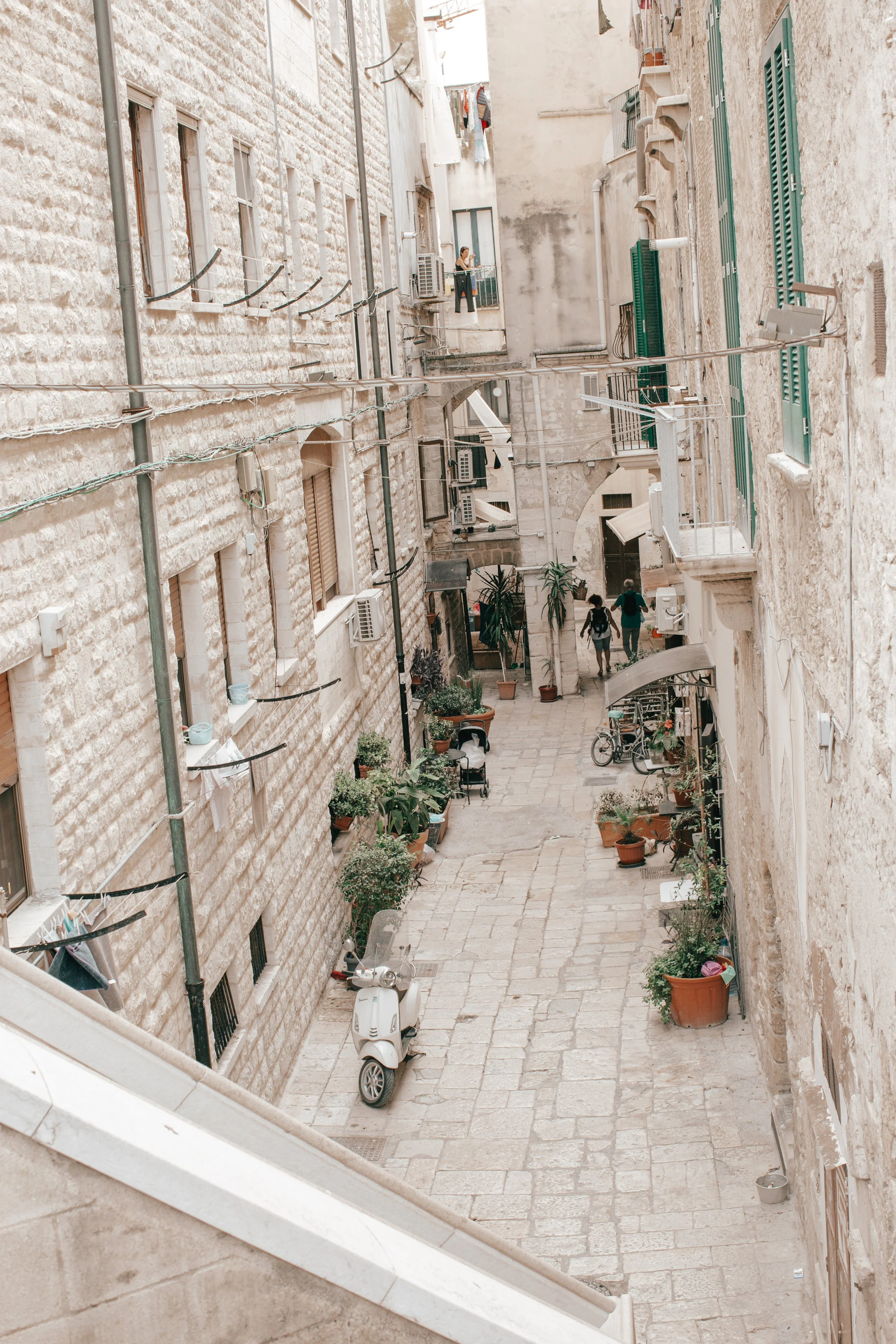


Seafront of Vieste


Vieste
After Bari, we drove to Vieste for the next three days that is one of our favourite places to visit. With amazing restaurants this cosy whitewashed town is a breath of fresh air. The drive here is beautiful and we stayed in a beautiful air b&b with 2 balconies in perfect location.
Vieste is a charming seaside town located on the Gargano Peninsula in northern Puglia, known for its dramatic coastal scenery and historic charm. Perched on a rocky promontory jutting into the Adriatic Sea, Vieste boasts stunning white cliffs, hidden caves, and some of the region's most beautiful beaches, such as Spiaggia del Castello and Pizzomunno Beach, famous for its towering limestone monolith.
The town's historic center is a labyrinth of narrow, cobbled streets, whitewashed houses, and ancient churches, like the Cathedral of Santa Maria Assunta. Its medieval atmosphere, highlighted by the Vieste Castle, offers a glimpse into the past, while the panoramic views of the sea are breathtaking.
Vieste's blend of natural beauty, historical charm, and laid-back atmosphere makes it an ideal destination for those seeking both relaxation and adventure on Italy's stunning coastline.

Pizzomunno Beach famous for the limestone rock
Masseria Tenuta Yala (located in Parabita)
Our next 2 night stay was in a farm hotel called Masseria Tenuta Yala located in Parabita. This masseria was unique to our previous masseria stays, as we actaully had our own little house in the land which made the stay extra special and private. Our house overlooked the vineyard where we enjoyed a glass of wine and cheeses before having dinner at the main house. This place also had a lot of animals like horses, cats ducks, goats and a play area for children. The pool was wonderfully relaxing and the area was beautiful. We will surely be returning here again.
From the masseria, we visited a few new places like a small coastal town called Santa Maria al Bagno and Nardó. When we left from here to our new masseria, we also visited Grottaglie town ( famous ceramic town in Puglia) as we wanted to order new ceramics for home.


The view of main house where dinner and breakfast is served
Masseria Lama San Giorgio in Rutigliano
We stayed in this masseria for a few nights that is also located in a vineyard and where they make their own olive oil. This masseria had a huge playground (on the side of their premises) so you could tell, it had more families with children here. We stayed in their suite, but to be honest I found the previous masseria setup slightly more cosy. So between these two, I would opt for the first choice even though this one was lovely too. The poolside was beautiful and so was the masseria. When we left from here to Otranto, we stopped at Ostuni for lunch. We also visited Monopoli and Polignano A Mare from this masseria.
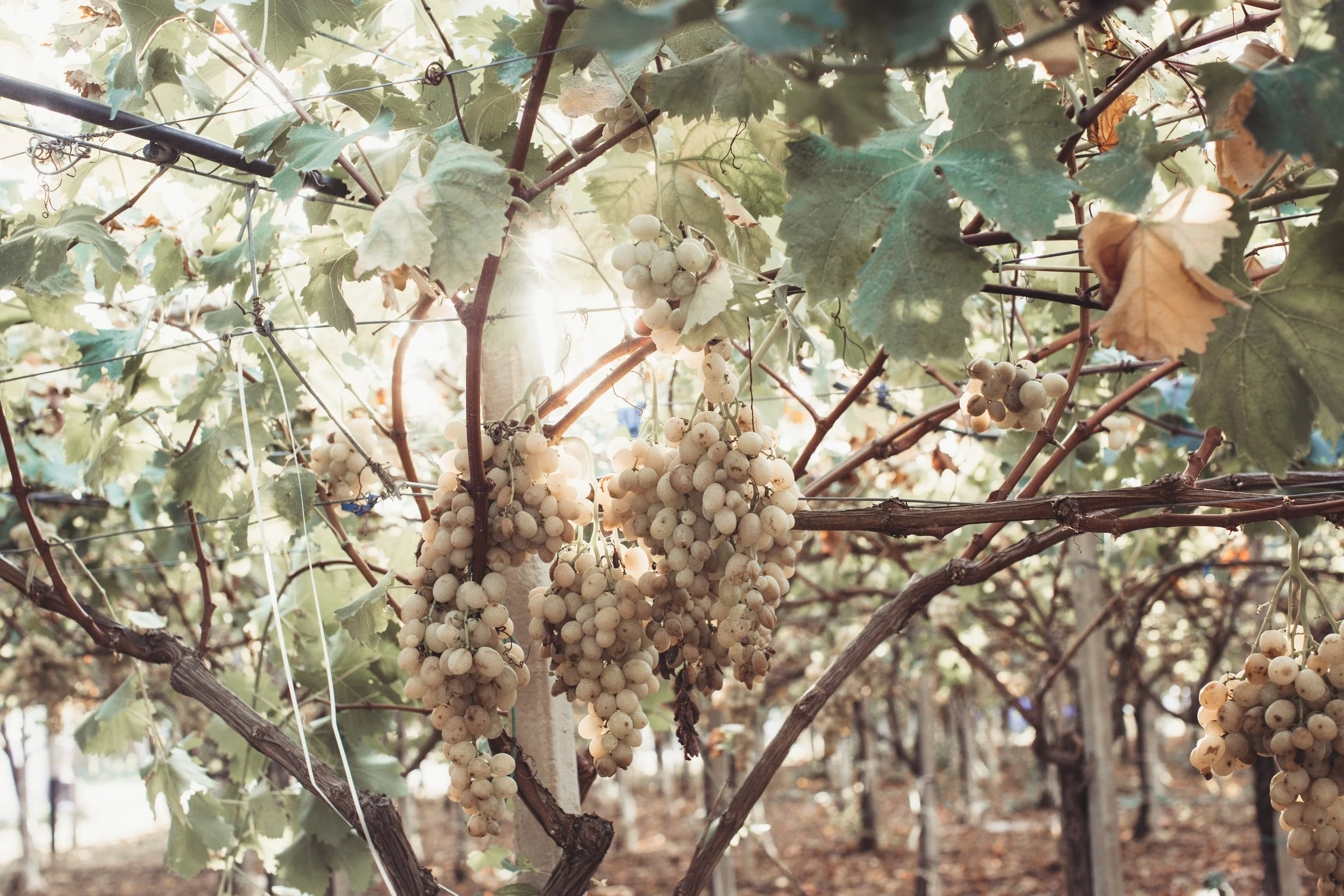


The main Masseria where breakfast and dinner is served
Otranto
Otranto is a picturesque coastal town located on the easternmost tip of Italy, in the Salento region of Puglia. It is known for its stunning turquoise waters, white sandy beaches, and rich history. The town's charm lies in its blend of natural beauty and cultural heritage, with a fascinating mix of Greek, Roman, and Byzantine influences. Otranto is one of our favourite little towns. We stayed in a lovely air B&B right on the main pathways of the old town, again ideal located with a sweet balcony. The water in Otranto is just breathtaking and this was my favourite place to go swimming.
The historic center is characterized by narrow streets, whitewashed buildings, and landmarks like the Otranto Cathedral, famous for its impressive 12th-century mosaic floor depicting the Tree of Life. The Aragonese Castle, a historic fortress overlooking the sea, adds to the town's allure. The nearby Baia dei Turchi and the dramatic Faraglioni di Sant'Andrea offer beautiful coastal scenery for nature lovers.
With its crystal-clear waters, historic architecture, and relaxed atmosphere, Otranto is an ideal place to experience the authentic charm of southern Italy while enjoying the natural beauty of the Adriatic coast. Lastly, it must be noticed that all the towns we visited have a lovely playground for children, very clean and safe which was great and most places even had carousels which came alive in the evenings when it got dark. We made it a thing to go on these rides before dinner to ware out some energy from the little one.


Sunset in Otranto

This picture does not do justice to the clear water but this was a cute little spot to let our son play in the shallow water
Cisternino
Our last spot of the trip was Cisternino, a small town inland close to other famous towns like Martina Franca, Locorotondo, Ostuni, Ceglie Messapica. We decided to make Cisternino our last spot, because we have only visited it once before for lunch. It is known for being a meat-lovers area, so it was a nice change after all the seafood and fish we indulged during the trip.
Cisternino is a charming hilltop town in the heart of the Itria Valley in Puglia, known for its whitewashed houses, narrow streets, and stunning views of the surrounding countryside dotted with ancient olive groves and trulli (traditional stone huts with conical roofs). The town exudes a timeless atmosphere, with its historic center resembling a labyrinth of stone archways, courtyards, and quaint balconies adorned with flowers.
Cisternino is famous for its unique culinary tradition of fornelli, small butcher shops that grill meat to order, allowing visitors to enjoy authentic, freshly cooked dishes. The town's tranquil ambiance, combined with its traditional architecture and culinary delights, makes it a perfect destination for those seeking a peaceful and authentic Puglian experience. One evening we ate a 1.5kg dry aged steak (just the two of us) that was so delicious!
With its blend of historic charm, stunning vistas, and vibrant local culture, Cisternino offers a true taste of southern Italy's rustic beauty. From Cisternino we drove back to Bari airport, which is a short easy drive.
If you ever get a chance to visit Puglia, defiantly make your base in a few different places both on the coast and inland. Blend in some masseria stays to give you that special experience.
Other masseria’s that I loved staying in: Masseria Palombara & Masseria Potenti.

Our air b&b was on this street, which was the gateway to the old town of Cisternino


Little Venice- The less known Chioggia

Slow Travel Guide to Chioggia, Italy: Embrace the Tranquil Charm
Chioggia, often dubbed “Little Venice,” is a place where time seems to slow down, inviting you to savor its unique charm at a leisurely pace. Located on the southern tip of the Venetian Lagoon, this small fishing town offers an authentic slice of coastal life, away from the hustle and bustle of more popular tourist destinations. This guide will help you experience Chioggia in the most relaxed and immersive way, focusing on its beautiful old town, incredible seafood, serene beaches, and peaceful boat tours.
From our 10 day stay in Veneto, we stayed for 3 nights in Chioggia, in a charming air b&b that was located right in the heart of the old town. We ate amazing seafood throughout our stay, enjoyed the beach (20 min walk from the old town to the newer part of town), took a boat tour, visited the seafood market and enjoyed the old town. Chioggia is close to Venice (you can also take the fairy to Venice) which makes it a great place to explore other beautiful towns in Veneto.
Getting to Chioggia from Venice
To reach Chioggia from Venice, you have several options. Chioggia is located approximately 35 kilometers (about 22 miles) south of Venice, just under an hour by car. It is also convenient to take a boat from Venice's San Zaccaria vaporetto stop. Alternatively, you can opt for a bus ride or even a combination of bus and boat. The journey is relatively short and makes for an easy and rewarding day trip from Venice.


Immerse Yourself in the Old Town’s Charm
As you arrive in Chioggia, allow yourself to settle into the slow rhythm of the town. Choose a charming accommodation in the heart of the old town. This central location makes it easy to explore the town on foot and be in walking distance to the best restaurants. Have coffee with other locals in one of the little cafes overlooking the water. You will find a lot of fishermen in the morning, coming into the harbour with their daily catches.
Explore the Old Town Begin your slow exploration of Chioggia by wandering through its narrow streets and alleyways. The old town is a maze of colorful buildings, picturesque canals, and charming piazzas that are perfect for a leisurely stroll. Start on Corso del Popolo, the main street lined with cafes, shops, and local life. The slower you walk, the more you’ll notice the small details that make Chioggia special: the laundry fluttering from windows, the gentle hum of conversation, and the occasional fisherman mending his nets.


Visit the Fish Market Make your way to Mercato del Pesce, the town’s vibrant fish market. Chioggia’s seafood is renowned, and the market is the beating heart of the town’s daily life. Here, you’ll find an array of freshly caught fish, clams, mussels, and—most notably—moeche, the local soft-shell crabs that are a seasonal delicacy. Take your time to chat with the vendors, learn about the different types of seafood, and soak in the lively atmosphere.
Lunch: Savor Local Seafood After exploring the market, treat yourself to a seafood lunch Order a plate of moeche, delicately fried and served with a squeeze of lemon. Pair it with a glass of local white wine, such as a crisp Soave, and enjoy the simple yet exquisite flavors that Chioggia is famous for. Also have crab pasta, langostinos and delicious scallops. Granseola (Spider Crab): A specialty in Chioggia, spider crab is often prepared in a creamy pasta sauce or served as a delectable seafood salad.


Afternoon: Slow Stroll Along the Canals Spend the afternoon slowly exploring the canals that wind through the town. Chioggia’s canals are reminiscent of Venice but quieter, offering a more intimate experience. Walk along Canal Vena, one of the most scenic spots in town, where colorful boats bob gently in the water and historic buildings reflect in the canal’s surface. Don’t rush—allow yourself to be captivated by the serene beauty of this lesser-known gem.
Evening: Relaxed Aperitivo and Dinner As evening approaches, join the locals for an aperitivo at Baruffino, a waterfront bar with a laid-back vibe. Sip on a spritz or a glass of prosecco as you watch the sunset cast a golden glow over the lagoon.
For dinner, head to Trattoria Al Ponte, a family-run establishment where you can indulge in more local seafood. Try the grigliata mista di pesce (mixed grilled fish) or bigoli in salsa (thick spaghetti with anchovy sauce). The relaxed setting and delicious food make it the perfect end to your first day.


Embrace the Coastal Life
Morning: Boat Tour of the Lagoon Start your second day with a peaceful boat tour around the Venetian Lagoon. Book a tour with a local operator who offers small group excursions. As you glide through the water, you’ll see Chioggia from a new perspective, passing by fishing boats, small islands, and the beautiful coastline. Some tours include a stop at Pellestrina, a quiet island where you can walk along the shore and enjoy the tranquility.
Late Morning: Explore Sottomarina Beach After your boat tour, head to Sottomarina Beach, just a short walk from the old town. Unlike the more crowded beaches of Italy, Sottomarina offers a relaxed atmosphere with wide stretches of golden sand. Choose a lido where you can rent a sunbed and umbrella, and let the sound of the waves lull you into a state of relaxation. Take a dip in the Adriatic Sea, stroll along the water’s edge, or simply sit back and enjoy the sun.
Lunch: Beachside Dining For lunch, enjoy a casual meal at one of the beachside restaurants, such as Bacaro Rosso, where you can savor fresh seafood with a view of the sea. Try the spaghetti alle vongole (spaghetti with clams) or a simple insalata di mare (seafood salad), accompanied by a glass of chilled white wine.
Afternoon: Leisurely Beach Time After lunch, continue to unwind at the beach. Whether you prefer reading a book under the shade of your umbrella, taking a nap, or collecting seashells along the shore, Sottomarina’s peaceful ambiance makes it easy to relax and enjoy the simple pleasures of life.
Evening: Sunset and Seafood Dinner Return to the old town in the early evening, and find a spot along the waterfront to watch the sunset. The changing colors of the sky and the reflections on the water create a mesmerizing scene that’s perfect for slow travel.
For your final dinner, visit Osteria Penzo, a local favorite known for its cozy atmosphere and delicious seafood. Order the risotto al nero di seppia (squid ink risotto) or frittura mista (mixed fried seafood), and savor each bite as you reflect on the tranquil beauty of Chioggia.

Morning: Final Stroll and Departure On your last morning in Chioggia, take a leisurely walk through the town one last time.
Visit Chiesa di San Domenico, a beautiful church located on a small island connected by a bridge, where you can admire
works of art by famous Venetian painters.
Stop for a coffee at a local cafe like Caffè Pedrocchi, and enjoy the slow pace of the morning as you watch the town wake up. As you prepare to leave, take one last look at the canals, the colorful houses, and the peaceful lagoon, knowing that you’ve experienced Chioggia in the most authentic and relaxing way possible.
Chioggia, with its timeless charm, fresh seafood, and serene surroundings, is a destination that invites you to slow down and appreciate the beauty of life at a gentle pace. Whether you’re exploring the old town, enjoying a meal by the water, or simply sitting on the beach, Chioggia offers a truly immersive and relaxing travel experience.


Here’s a small list of cute and charming restaurants in Chioggia, Italy, where you can enjoy delicious local cuisine in a cozy, authentic atmosphere:
1. Osteria Ai Coppi
Location: Calle Forno Filippini, 267
Vibe: Nestled in a quiet street, Osteria Ai Coppi offers a warm and intimate setting with rustic decor. It’s a perfect spot for a relaxed meal featuring fresh seafood and traditional Venetian dishes.
Must-Try: Moeche (soft-shell crabs), Risotto al nero di seppia (squid ink risotto)
2. Trattoria Al Ponte
Location: Calle Ponte Caneva, 70
Vibe: This family-run trattoria is tucked away in a charming corner of the old town. With a cozy interior and a few outdoor tables, it’s a lovely spot to enjoy homemade pasta and freshly caught fish.
Must-Try: Bigoli in salsa (thick spaghetti with anchovy sauce), Frittura mista di pesce (mixed fried seafood)
3. Osteria Penzo
Location: Corso del Popolo, 1403
Vibe: Located along the lively Corso del Popolo, Osteria Penzo has a quaint and welcoming atmosphere with traditional decor. It’s a favorite among locals for its authentic Venetian flavors.
Must-Try: Sarde in saor (sweet and sour sardines), Grigliata mista di pesce (mixed grilled fish)
4. Ristorante El Gato
Location: Corso del Popolo, 1167
Vibe: With its charming outdoor seating area overlooking the canal, El Gato is perfect for a romantic dinner or a relaxed lunch. The ambiance is casual yet refined, with an emphasis on fresh, local ingredients.
Must-Try: Spaghetti alle vongole (spaghetti with clams), Seppie alla griglia (grilled cuttlefish)
5. Ristorante Bella Venezia
Location: Viale Padova, 8
Vibe: Set in a historic building with a lovely garden, Bella Venezia combines old-world charm with modern touches. The atmosphere is elegant but unpretentious, making it a great spot for both casual and special occasions.
Must-Try: Risotto di pesce (seafood risotto), Tiramisu
These restaurants each offer a slice of Chioggia’s culinary heritage, served in atmospheres that range from cozy and rustic to elegantly charming.


Elegant Treviso


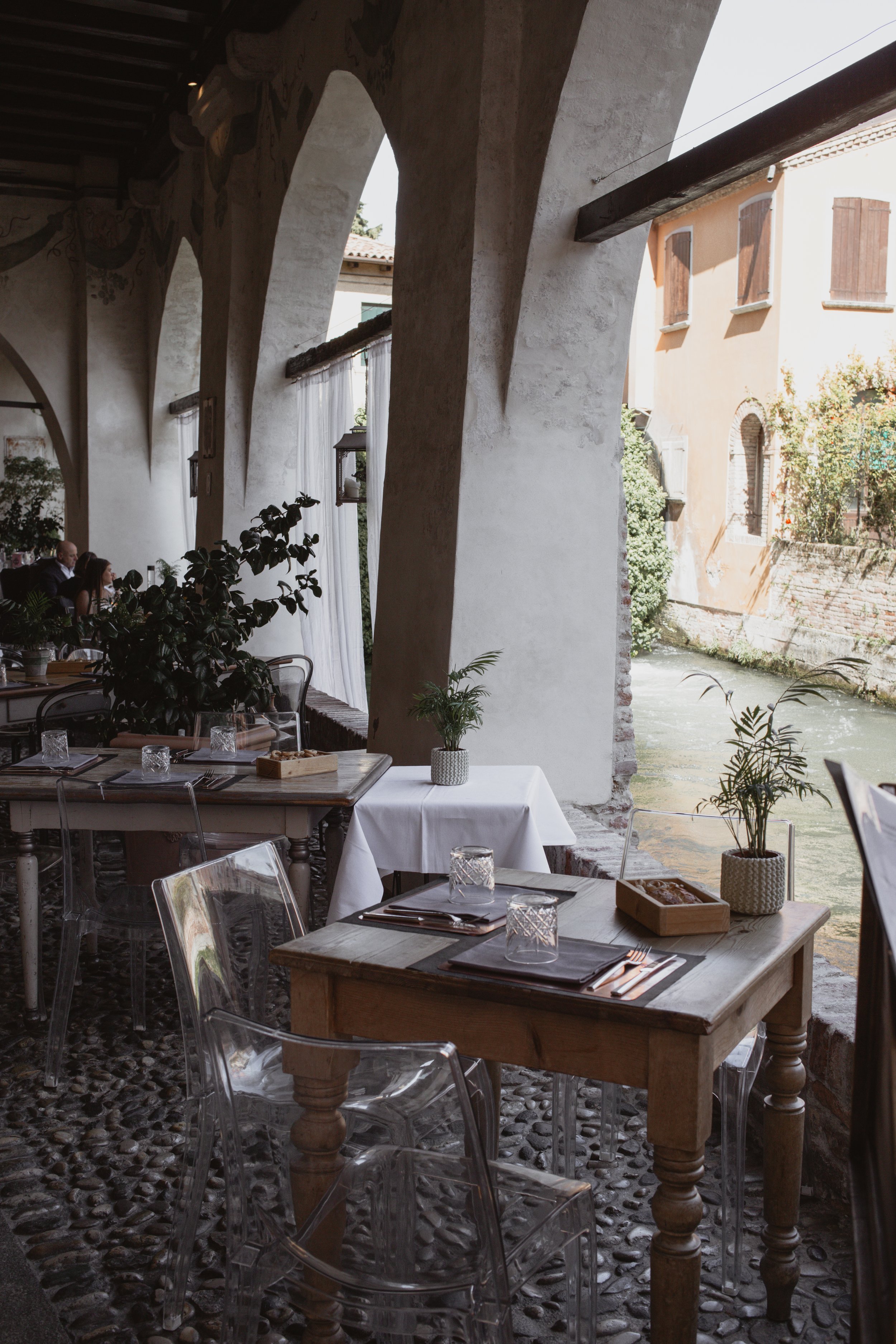


Treviso, a city that exerts chicness and style is home to prosecco, tiramisu and Benetton. This traditional town makes a great base to explore Veneto and is a place to unwind and absorb culture.
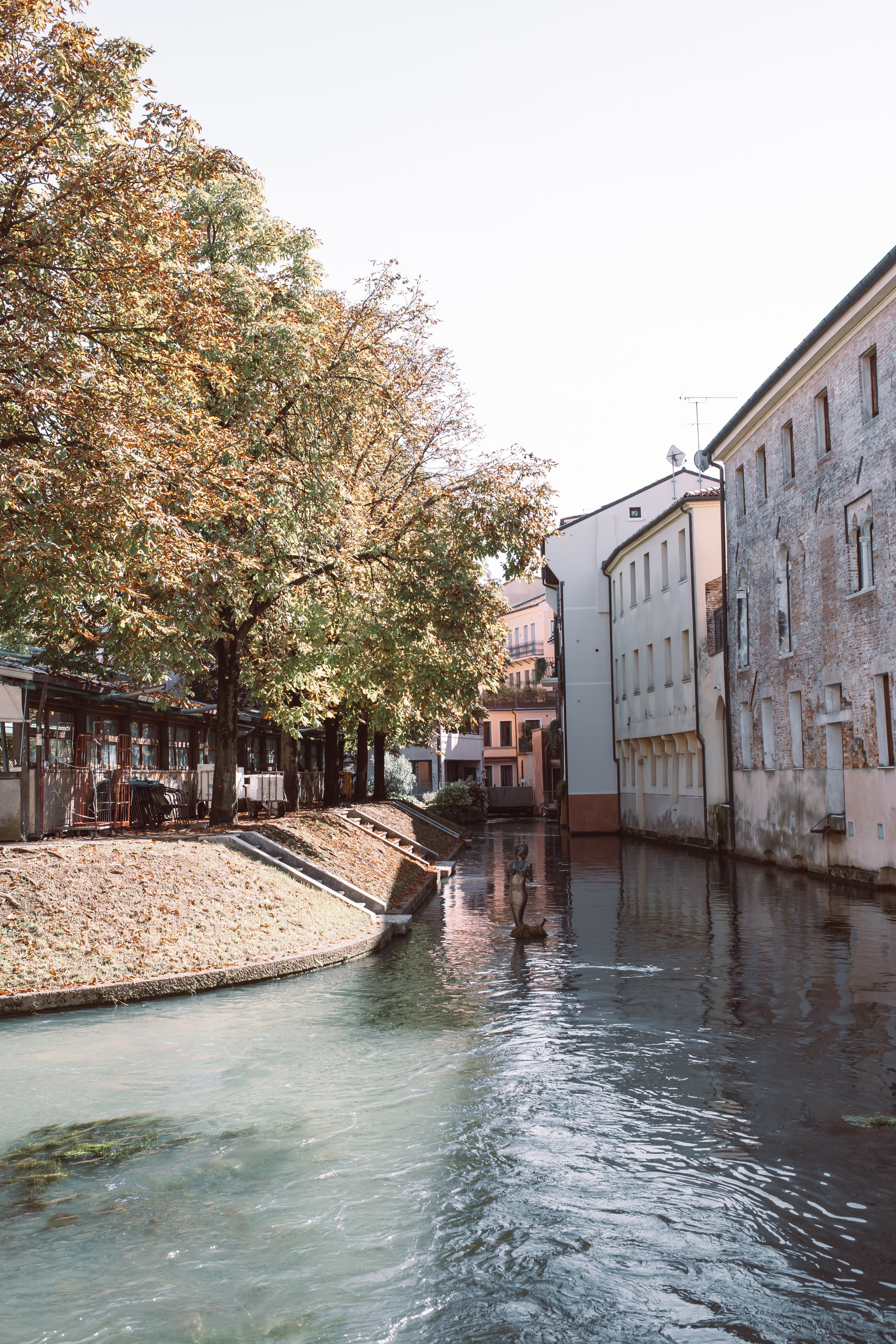
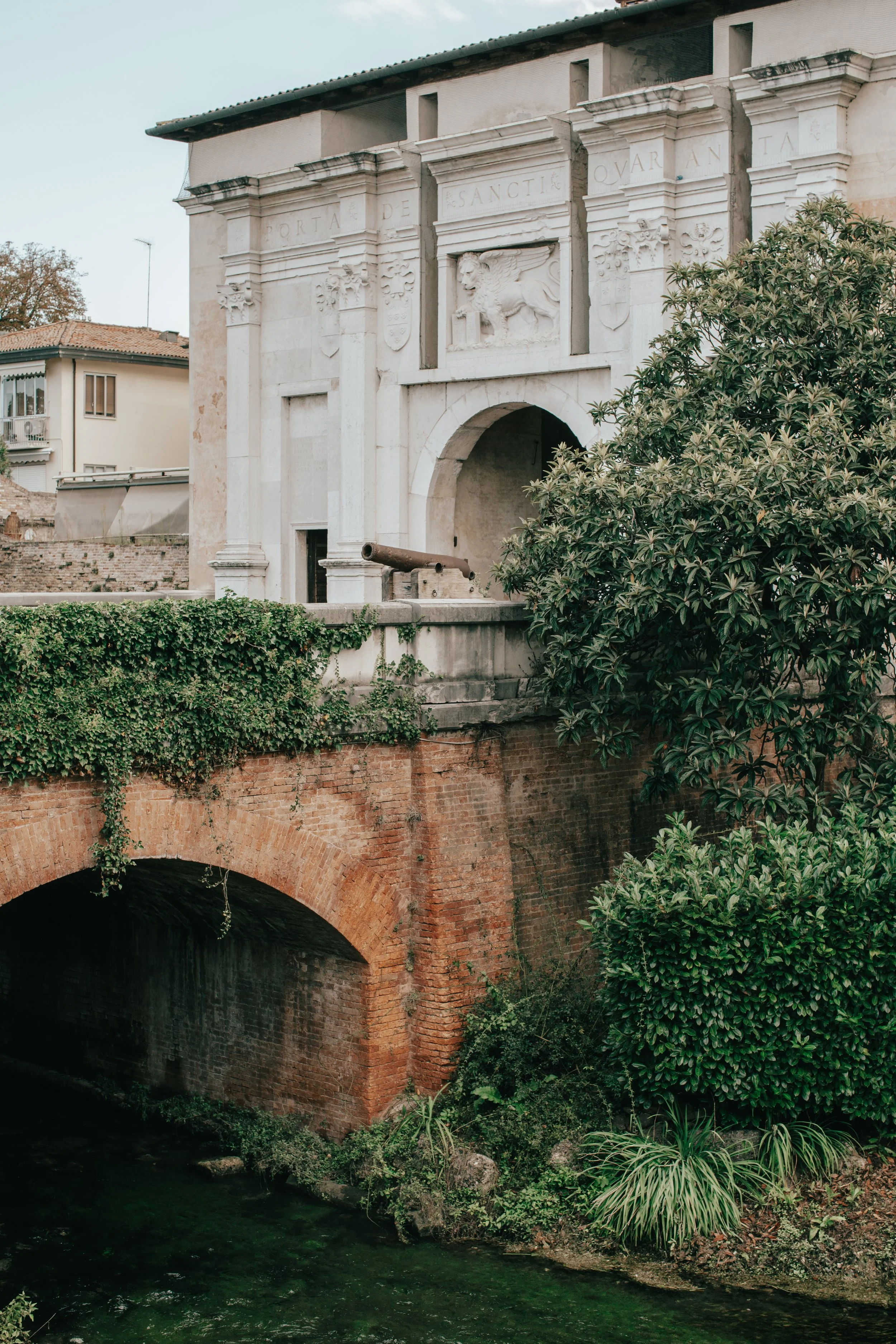
Treviso is a less- touristy town in the Veneto region of north-east Italy that is an underrated gem often overshadowed by the iconic status of its neighbour Venice, that is just 26 km away. The town fills with little waterways calling itself città d’acque making it an important feature of the townscape. The river Side runs to the south of the center that lines with beautiful houses, hortensia bushes and water wheels. The tranquil atmosphere is much different from its neighbouring Venice and it does not depend on tourism, there are no tacky tourist shops and it is evident that this town has a sense of prosperity.
We ate delicious food in this town, everything ranging from traditional beef tartare to cacio e Pepe to boar stews and scallops with porcini mushrooms. You will find lots of cute standing bars in the old town where you can go for a glass of wine or restaurant hop as we did one evening. One of favourite antipasti dishes was a butter brioche that was served with beautiful salted anchovies. Just heavenly.
Markets
On a Tuesday the market takes over the whole of city centre Treviso. It spreads across several squares where you can find everything from clothes to homeware to food. This market is clearly where locals do their weekly shopping. We where also lucky enough to stumble across a large antique market that travels in different towns in the region on Sundays. Also, a street market is held every Saturday morning, where they sell high-quality clothing and vintage gems. The antique market brought in collectors and serious buyers looking for cars, paintings, silver ware and furniture. We strolled through the market in the morning for a couple of hours and found antique brass handles, silver ware and onyx statues to take back home with us. There where so many beautiful things, like old painting frames, statues, glass blown vases, books and cast iron chairs where items clearly have a history.
We where also lucky that there was a circus in town as we always have wanted to take our little boy to an old fashioned circus that was a real treat for us. Apparently, every morning (except Monday) a seafood market is held on the Isola della Pescheria, a small island in the middle of the Cagnan river. Also Piazza Giustinian holds an organic farmers’ market three times a week, selling local wine, cheese and charcuterie.


Things to Do:
1. Explore the Historic Center:
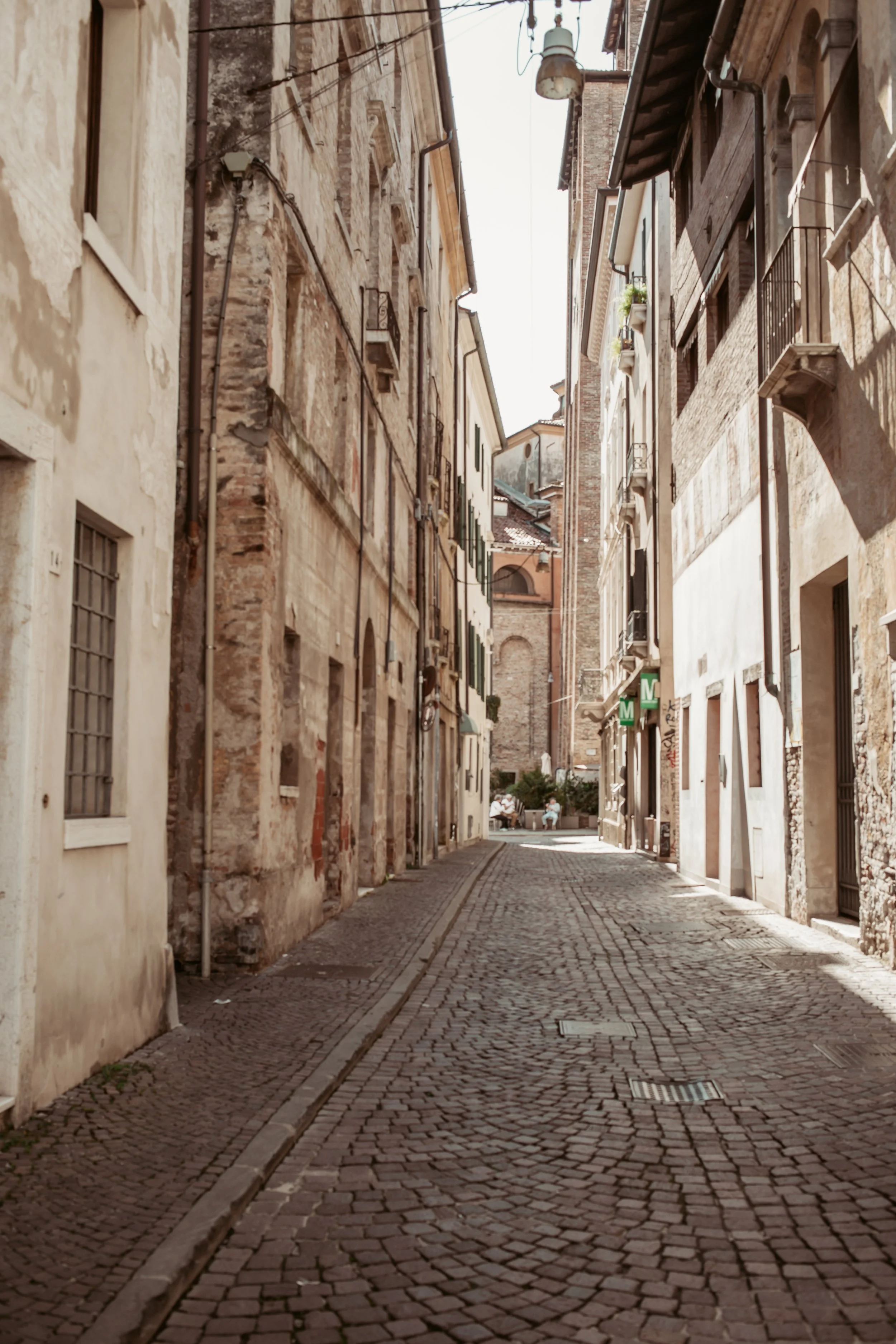
Wander through the labyrinthine streets and alleys of Treviso’s historic center, with its charming canals and beautifully preserved medieval buildings.
2. Piazza dei Signori:
Visit this vibrant square surrounded by elegant buildings and cafes. Don’t miss the Palazzo dei Trecento, a stunning Gothic palace.
3. Treviso Cathedral (Cattedrale di San Pietro):
Admire the architectural beauty of this 12th-century cathedral and its impressive frescoes.
4. Museum of Santa Caterina:
This former convent houses a rich collection of medieval and Renaissance art, providing insight into Treviso’s cultural heritage.
5. Canoeing on the Sile River:
Rent a canoe and paddle along the tranquil Sile River to experience the serene natural beauty of the region.
6. Prosecco Vineyards:
Take a short drive to the Prosecco wine region and visit some of the local vineyards for a wine tasting experience.
7. Cicchetti and Prosecco Tasting:
Enjoy an authentic Venetian tradition by indulging in “cicchetti” (small snacks) and a glass of Prosecco at the town’s local osterias.


Culinary Delights:
Treviso’s cuisine is a delicious blend of Italian and Venetian flavors. Try these local specialties:
Risotto al Radicchio: Creamy risotto made with the famous Treviso radicchio.
Polenta: A staple dish often served with a variety of sauces.
Tiramisu: Savor the original version of this iconic Italian dessert in its birthplace.
Shopping:
Explore Treviso’s boutique shops and markets, especially in the historic center, where you can find local wines, cheese, and handcrafted goods.
When to Visit:
Treviso is beautiful year-round, but the best times to visit are in the spring (April to June) and early autumn (September to October) when the weather is mild and the tourist crowds are thinner.

watching the old school tent style circus






Orvieto

Having breakfast at our villa, a lovely ricotta fig toast before heading out for a day trip to Orvietto.


Another little town in Umbria that is made for strolling… As we drive into Orvieto there are grove after grove of silvery green olive trees that cover the rolling landscape of Umbria. I love that there are fresh olive presses around every other corner that beckon you to stop and explore. Once reached the cobbled streets of the town, we pass the shades of honey hued walls, I notice that the architecture is slightly different here. Many of the characteristic buildings are constructed out of tufo, a type of volcanic rock that leaves the surface a rough warm tone. There is a great cozy vibrancy here, cute allies, tiny ceramics and pottery shops, numerous restaurants and a less touristy lifestyle considering it is only an hour away from Rome. Orvieto is a cute medieval town that dates back to the Etruscans that sits on a volcanic bed overlooking the surrounding lush Umbria. The drive here is stunning not only the olives trees, but tall svelte cyprus trees stand along well-kept paths that lead you to yellow stuccoed masserias just like in the movie “Under the Tuscan Sun“. The highlight of the town is the majestic 14th century Roman catholic cathedral Duomo di Orvieto, but I feel the real gem hides behind the traditional cuisine. The town praises about its porchetta, truffles, local wine (Orvieto Classico), an eggless pasta (umbrichelli) and wild boar (cinghiale).
We stumbled into an ally with the cutest trattoria and managed to get the last unreserved table as the restaurant was prepping for a busy lunch hour. We could hear the buzz from the kitchen and the low sun creeped between the streets and warmed us nicely despite being late september. You could detect the first signs of fall, the changes in colour of leaves and a few trees dropped the occational dry leaf here and there. As we sipped on local wine and nibbled on a country-style wild boar terrine bruschetta that fed our souls, the little town grew on us with its simplicity. The narrow alleyways often drapped with lots of vines that bathed in the strong fall sunlight attached to the buildings that had worn throughout centuries. We also indulged in some caramelized wild boar bacon, a classic farmers lemon roasted chicken (to die-for I might say) and Melanzane alla Parmigiana. We loved to soak in the essence of Orvieto, savor the flavors and left with amazing memories.


The land of Narni


Welcome to Narni, a medieval treasure nestled amidst the rolling hills of Umbria, Italy. This enchanting town, with its roots stretching back to ancient times, beckons travelers with its rich history, captivating landscapes, and a sense of timelessness that permeates its cobblestone streets. Perched high on a hill overlooking the Nera River Valley, Narni boasts a skyline adorned with historic towers, churches, and medieval structures that tell tales of centuries past. As you traverse the labyrinthine alleys and staircases, you'll uncover hidden gems like the Rocca Albornoziana, a formidable fortress offering panoramic views of the surrounding countryside. Beyond its historical allure, Narni invites exploration of its cultural nuances, from charming artisan boutiques to local trattorias serving delectable Umbrian cuisine. Whether you're an avid history buff, a nature enthusiast, or simply seeking the authentic charm of an Italian town, Narni promises a captivating journey into the heart of Umbria's cultural tapestry.
The tiny town of Narni surrounds with piazzas, fortresses and churches that attracts locals for its medieval appearance. Author CS Lewis was inspired by the name of the town using it in his novel as the fictional magical kingdom of Narnia. Some people say that he was inspired by the towns magical presence but others say the name was chosen by random and never set foot in the place. Nevertheless, it certainly sparked interest for Narni and today it is often refered as the heart of Italy as it is geographically the closest town to the center of Italy.
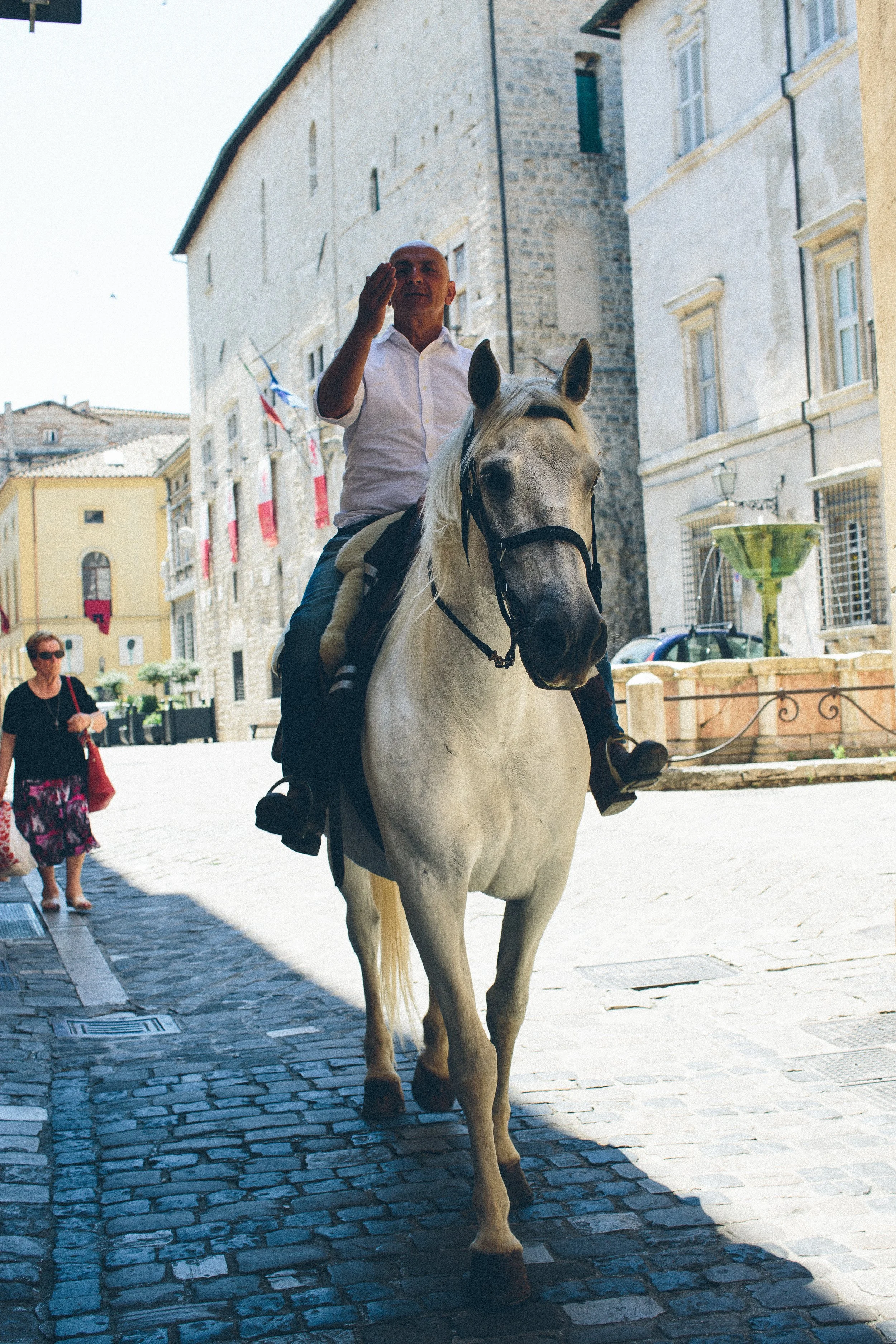
Like most of the charming little towns in Umbria, Narni has striking stone buildings that and narrow cobblestone streets that make up the old town. We came into town for lunch and some gelato and walked around the lovely cooling streets on a seriously hot day! The town is famous for its large Roman bridges but what I found most beautiful was the arched allies, old fiats in the corner of the streets, the colourful flowers and old fountains. To be honest, it is not my favourite town out of Umbria but this could be as I have only scratched the surface of it, but I would say its worth the visit if you are close by. I have to say my favourite towns in Umbria are Spello, Montefalco, Asissi and Gubbio.



Beautiful Todi


Welcome to Todi, a hidden gem in the heart of the Umbria region, where each cobblestone street and ancient building whispers tales of history and beauty. This enchanting hilltop town, perched majestically overlooking the Tiber Valley, offers a perfect day-trip escape into the soul of Italy. Start your journey in the Piazza del Popolo, a charming square adorned with medieval buildings and the Duomo, a masterpiece of Gothic and Romanesque architecture. As you wander through Todi's labyrinthine alleys, you'll discover hidden gems like the Church of San Fortunato, where the blend of art and spirituality transports you to another time. Take a moment to savor a leisurely lunch at one of the local trattorias, where the flavors of Umbrian cuisine come to life in dishes crafted from fresh, locally sourced ingredients. Don't miss the opportunity to explore the Tempio di Santa Maria della Consolazione, a Renaissance gem surrounded by serene gardens, offering panoramic views of the picturesque landscape. Todi's timeless charm, cultural richness, and warm hospitality ensure that your day trip becomes a cherished memory, a glimpse into the heart of Italy's past and present.
Todi, nestled within the scenic landscapes of Umbria, offers more than just historical charm; it's a destination that captivates the soul with its multifaceted allure. For art enthusiasts, the town boasts an impressive art collection at the Palazzo dei Priori, featuring works by local masters that provide a glimpse into Todi's rich artistic heritage. As you meander through the town's narrow streets, lined with artisan shops and boutiques, you'll find unique treasures, from handmade ceramics to exquisite textiles. Todi is also known for its festivals, where the community comes alive in celebration. The Todi Antiquaria Fair, for instance, transforms the town into an open-air market, inviting visitors to explore a myriad of antiques and crafts. The town's welcoming atmosphere extends to its people, who take pride in sharing their traditions and stories. Whether you're sipping espresso in a sunlit piazza or exploring the olive groves that surround Todi, this destination invites you to embrace the unhurried pace of life, creating a tapestry of experiences that linger long after your day-trip adventure. Todi, truly, is a harmonious blend of history, culture, and the warmth of Umbrian hospitality.


Sunsets in Spello

Welcome to Spello, a picturesque gem nestled in the heart of the enchanting Umbria region of Italy. This medieval town, with its labyrinthine alleys and charming squares, invites you to step back in time and immerse yourself in its rich history and timeless beauty. Spello, often referred to as the "flower town" for its vibrant floral displays, captivates visitors with its authentic Italian atmosphere and breathtaking scenery.
A magical little town that comes lit in the evenings as the sun drapes its rays across the stone pathways. From the occasional white blankets that hang on the wire lines and the colourful flower pots that crowd the streets, makes picture-esq Spello worth a visit when traveling around Umbria. I love the pale shades of the lined up buildings and how the curvy streets have dramatic lighting, beautiful archways that you can walk under. There is attention to detail in this town, which makes the evening strolls more pleasant. We sat down for antipasti before dinner to enjoy some bruschetta and truffle cheeses and worked our apatite by exploring the maze-like streets.
Exploring the Streets: Wander through Spello's cobblestone streets, where each corner reveals a new delight. Admire the well-preserved medieval architecture adorned with colorful flowers that cascade from windowsills and balconies. As you stroll, don't miss the chance to visit the Church of Santa Maria Maggiore, a stunning example of Romanesque and Renaissance artistry. The intricate frescoes and awe-inspiring architecture are sure to leave you in awe.
Floral Splendor: Spello is renowned for its annual Infiorate, a floral festival held in June, during which the streets come alive with intricate flower petal designs. Artists create elaborate and vibrant carpets of flowers, transforming the town into a fragrant masterpiece. This celebration is a testament to Spello's commitment to preserving its traditions and showcasing the beauty of nature.
Culinary Delights: Indulge your taste buds in Spello's authentic Umbrian cuisine. From fresh pasta dishes to local wines, the town's restaurants offer a delightful culinary journey. Don't forget to savor the renowned olive oil produced in the region. The combination of local ingredients and traditional recipes creates a dining experience that reflects the true essence of Italian gastronomy. We ended the evening in a super cozy restaurant called La Cantina, which I highly recommend, but make sure to make reservations in advance as the restaurant was completely packed. I ate some rustic paté on toast and for the main course had a traditional wild boar stew. With my oversized chanel hanging from my hand and an off-the- shoulder shirt with ruffles on the sleeves, my camera had work as we crossed a new corner as I needed to capture the beauty, for a minute longer.
Hiking and Nature: For nature enthusiasts, the surrounding hills offer fantastic hiking opportunities. Embark on a journey through olive groves and vineyards, taking in panoramic views of the rolling Umbrian countryside. The tranquility of the landscape provides a perfect contrast to the bustling charm of the town.
Local Artisans: Spello is also a haven for artists and artisans. Explore the numerous workshops where skilled craftsmen produce traditional ceramics, textiles, and other handmade goods. You'll have the chance to purchase unique souvenirs that capture the essence of Spello's artistic heritage.
In essence, a visit to Spello is a voyage through time, where the past seamlessly blends with the present. Its well-preserved history, vibrant festivals, delectable cuisine, and natural beauty make it a destination that beckons travelers to slow down, savor each moment, and appreciate the magic of this charming Italian town. Whether you're an art aficionado, a history buff, or a nature lover, Spello offers an unforgettable experience that lingers in the heart long after you bid arrivederci.


Bevagna & Spoleto


Bevagna
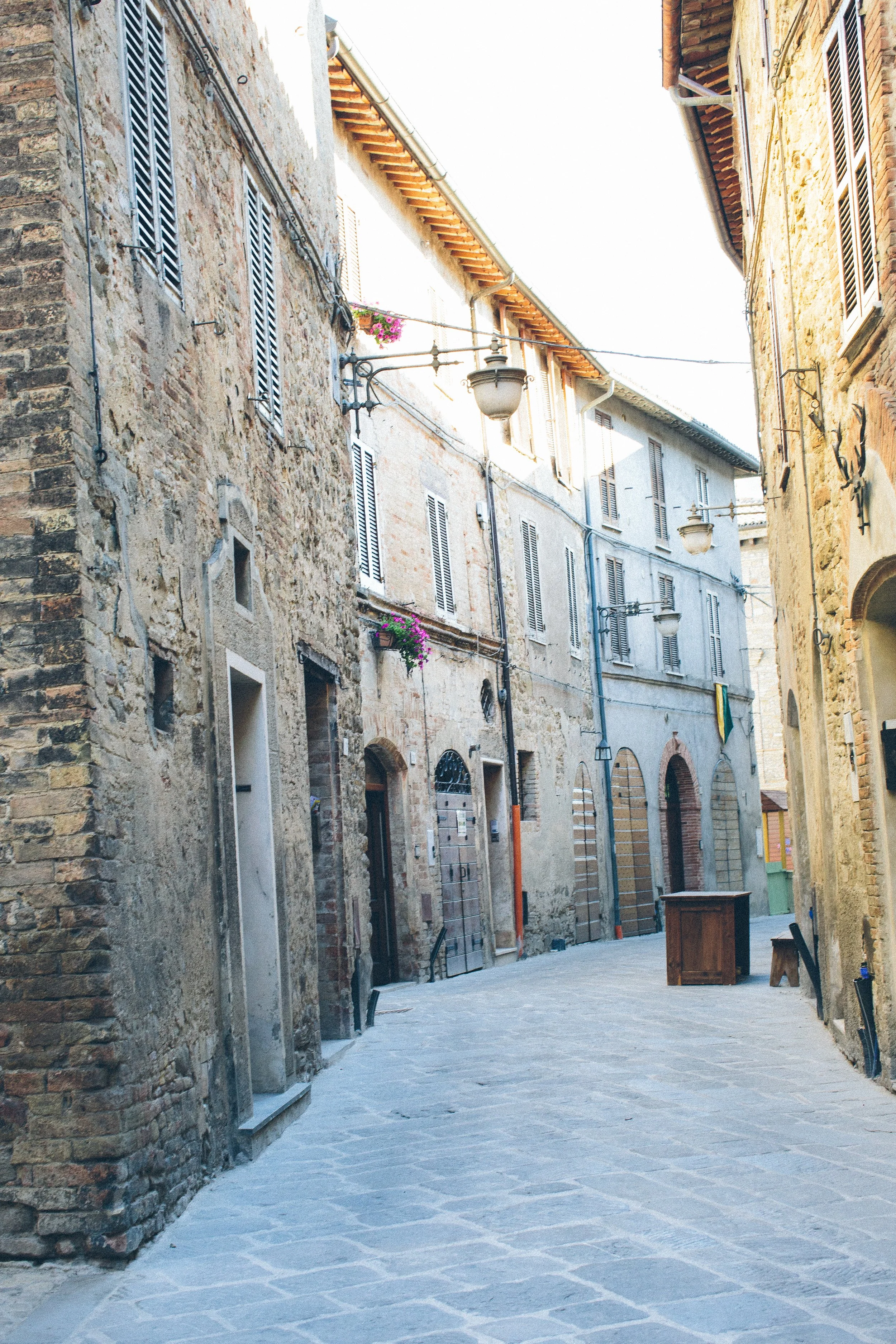
Bevagna, the sleepy Roman-medieval village is situated next to the Teverone river that lies on flat ground, unlike most Umbrian towns that require quiet the hike to reach the centre! As we drove here from our villa through the scenic route we entered through the southern city gate passing the cute bridge that crosses over the Clitunno river. It was as if stepping back in time into the middle ages when entering the old town. Bevagna thrives on its medieval past and we happened to stumble in on the day the town was celebrating an annual medieval-style feast called the Gaite Market. The point of it all is to display the techniques and tools used in history to show how people lived back then. You get to taste traditional food, attend craft workshops thus locals we building booths, setting tables and walking around in Robyn Hood-like costumes to showcase for a journey into the past.
As it was early morning, we stopped for a cappuccino in Piazza Silvestri that seemed to be Bevagna’s pride and joy. Ps. Bevagna takes its siesta very seriously so everything closes super early so keep that in mind if you are planning a visit. It was still quiet in the streets and stores were slowly beginning to open and the hassle was focused on the corner cafes. The espresso machine was buzzing away and locals seemed to be in a festive state of mind and you could feel the sense of the community here. I could imagine this event brings the entire town together as it seemed as if everybody was joining in. We ordered cappuccino and sat down to watch the locals traverse the square to get from one place to another. The piazza is the standing point to two dominating Romanesque churches built in the 12th century, San Silvestro made from stone and the larger San Michele Archangelo. In the middle, there is a fountain and a civic building that seemed to gather people along with pigeons as the day prolonged.
After our delightful coffees, we took a turn to the backstreets passing the curving Vicolo del Amphiteatro and wandering through streets that had sidewalk restaurants, historic workshops, antique shops, numerous butchers, bakeries and candlestick making-shops. We noticed people lining up to a bakery and next we found ourselves in the same que. It smelled of freshly made loaf and there was a pastries display with treats like, biscotti and Sfogliatella lined up for customers to see. We noticed many locals taking these puff pastry cream horns that were coated with delicate sugar, so we decided to try one as well. They were just made, still warm with the vanilla oozing out. Before tasting it, we walked to the side street and from the corner of my eye I spotted a blush coloured wall. God bless my husband as he instantly knew what I was after. It was time for picture of the pastry with a cute blush backdrop! After a few pics, that first bite was so light and gorgeously flakey while the condensed vanilla cream hit you moments after. It was heavenly and we did not care that we had sugar all over our faces (see below) and we gobbled it up fairly quickly! It was sweet but light and no wonder everybody was lining up to buy them!


Spoleto
Spoleto, Umbria Italy
Plotted on a hillside, Spoleto is a beautiful artsy town with one major pathway leading up through the winding streets up to the 12th century duomo, that is a fine sight set against a backdrop of lush valleys.
Walking up the pathway, you are mesmerized with pastel walls, medieval architecture, dashes of colour from both ends of the spectrum and grand arches, a mark that is left by the Romans. Spoleto is a dream to photograph as the light is captured and cornered in different nooks depending on the time of the day. It is gentle and dramatic, an admirable little town and a “historical picnic” according to lonely planet.
Today the town is known for its festival called Festival dei Due Mondi, a party of many days that includes opera, dancing, music and art. Mr. N and I loved the walk through the old town, we stopped for some amazing espresso, shopped in cheese shops, spice shops and obviously stopped for a glass of wine during our hike.


Gubbio, A Medieval Jewel in Umbria


Welcome to Gubbio, a captivating medieval town cradled within the rolling hills of the Umbria region in Italy. With a history that dates back to ancient times, Gubbio exudes an irresistible charm, inviting visitors to meander through its narrow cobblestone streets and discover a wealth of historical treasures. The town's well-preserved architecture, including the imposing Palazzo dei Consoli and the awe-inspiring Basilica of Saint Ubaldo, serves as a testament to Gubbio's rich cultural heritage. Nestled in the scenic Apennine Mountains, Gubbio offers panoramic views that unfold like a masterpiece, enticing travelers to explore its medieval alleys, experience local traditions, and savor the authentic flavors of Umbrian cuisine. Whether you're drawn to its ancient past, captivated by its scenic landscapes, or enticed by the warmth of its hospitality, Gubbio stands as a timeless destination that promises an immersive journey into the heart of Italy's historical and cultural tapestry.

History of Gubbio
With centuries of history behind every corner, every cobblestone evocative street leads you to another gothic palace or church that mesmerised with its stunning preservation. Dating back to the pre-Roman times ,Gubbio is the oldest town in Umbria that is small and angular perched up on the steep slopes of Monte Ingino.
Gubbio, an ancient town in the heart of Umbria, Italy, boasts a history that spans millennia. Traces of its Etruscan and Roman roots are evident in the archaeological remains scattered throughout the area. However, it was during the medieval period that Gubbio truly flourished. The town became a prominent center for art, culture, and commerce, as reflected in the architectural marvels like the Palazzo dei Consoli and the Basilica of Saint Ubaldo. Gubbio's strategic location on the trade routes contributed to its prosperity, and the town's independent spirit is symbolized by the "Ceri Festival," a centuries-old event where enormous wooden structures are carried through the streets in a display of communal strength. Gubbio's culture is deeply intertwined with its historical legacy, and the residents take pride in preserving traditions that have endured for centuries, making it a living testament to the enduring spirit of Italian heritage.
Gubbio is a real culinary treat that has great views over the Umbrian countryside and the architecture spreads of gray limestone that brings you back in time. The cuisine not only includes the intense taste of white truffle but also dishes based around pasta, meat, cheese and vegetable. We walked around the old town and saw stores for pottery, leather, iron, gold and a little bit of embroidery and is evident that the town is rich in historical and artistic heritage. The main attractions include the magnificent Palazzo dei Consoli (Consular Palace) with the most magnificent sunset, the renaissance The Palazzo Ducale (Ducal Palace) and the cathedral.
Restaurant tip: Officina dei Sapori (Via dei Consoli, 13, 06024 Gubbio PG, Italy)


September Veneto Road Trip
Veneto is a beautiful region to explore filled with charming towns filled with amazing food and sites to see.
The highlight of our end of summer was a trip to Italy where we drove around Veneto for ten days. Typically, we fly to Rome and drive from there but this time we flew to Venice and explored new areas nearby. We have explored Veneto before so we skipped exploring places like Verona and Soave that we are already familiar with. I’m often asked about our travel routes that are commonly curated with the help of Pinterest and a lot exploration on google maps (mainly by looking at the restaurants in the area), so I wanted to share this route with you, in case you are in the midst of planning a road trip to Veneto. The great thing about this location is that all the cities/towns we stayed in are about an hour away from each other which makes it very convenient when travelling with an active almost two year old toddler. So, our travel route was Venice – Arquá Petrarca- Treviso- Chioggia. From these towns, we made day trips to other locations that I will share with you later.


Venice
Well, Venice needs no introduction. We only stayed in Venice for one day as we have been there before so our priority was to visit other places instead and thought it would be too full of tourists. Surprisingly there were not that many tourists in Venice if you wonder off the beaten path which makes the experience that much more lovely. We enjoyed it that much more, so we decided to visit it again from Arquá Petrarca. Venice is quite difficult with a travel stroller but luckily my husband is strong and carried it over the bridges when we walked around, so keep this in mind if travelling with a small child. Venice is beautiful, get there early and enjoy it when it is still calm on the streets.


Arquá Petrarca
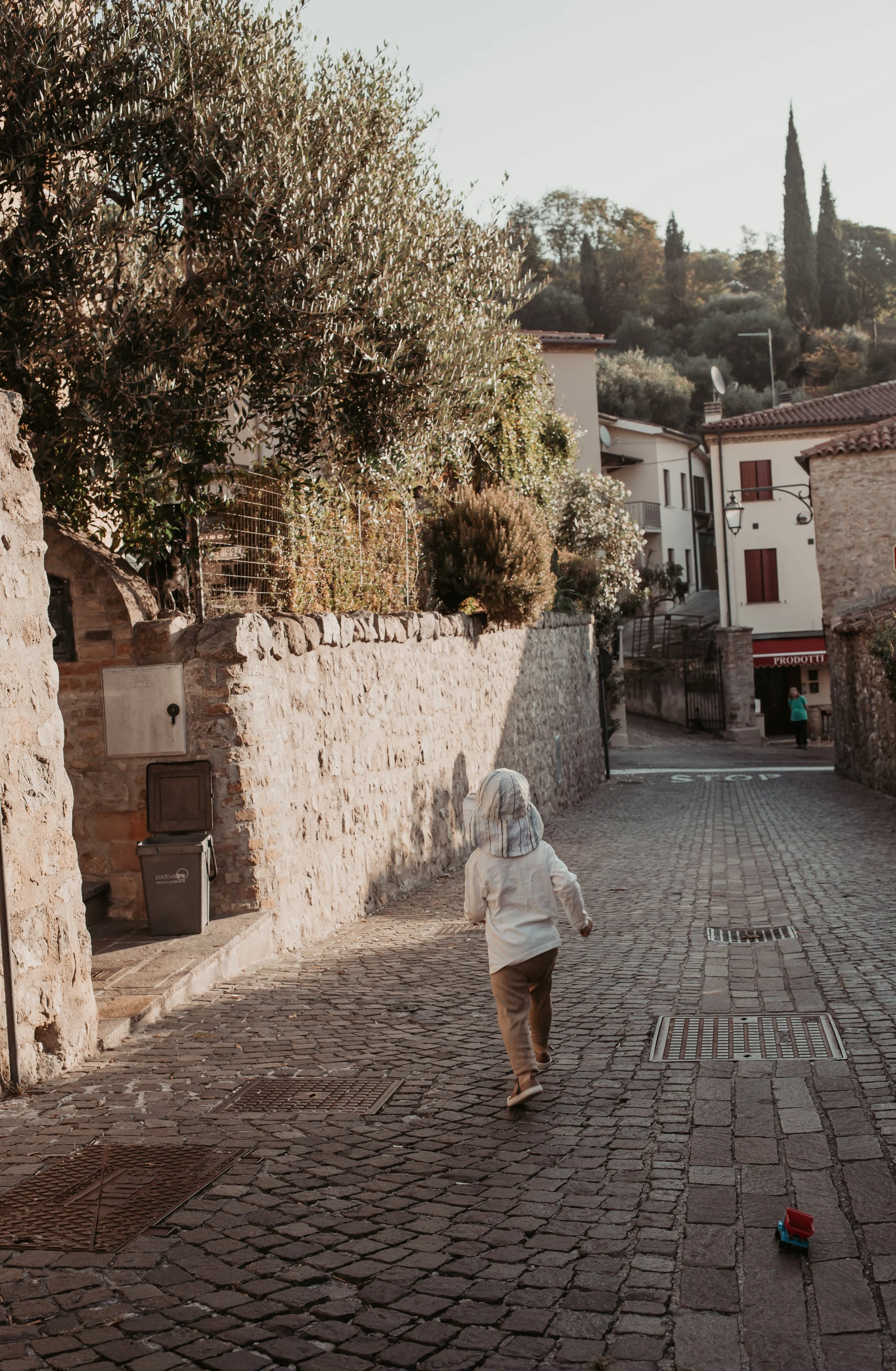
Arquá Petrarca, this medieval village invites you to take a slow walk in the foot steps of Mount Piccolo and Mount Ventolone. Peaked on top to a hill, the surrounding is covered with woodland and vineyards, while the cobbled street tiny town is filled with many restaurants inviting you to the slow pace of life in the most charming setting. The town has been inhabited since Roman times but it grew during the Middle Ages during the domination of Venice. The little town gained attention when Francesco Petrarca, an illustrious Italian poet spent the his last years here and notably the town is part of Italy’s most beautiful Villages. Places to visit near by are Padova, Vicenza, Venice and Rovigo.
While the town has been inhabited since Roman times, it grew significantly in the Middle Ages under the Padovan nobles and the domination of Venice. It gained more attention when Francesco Petrarca, an illustrious Italian poet and scholar, decided to spend the last years of his life in the serene tranquility of this place.




Treviso
Just 26km from Venice, Treviso is a chic less- touristy town in the Veneto region of north-east Italy that makes a great base for exploring. Treviso is an underrated gem often overshadowed by the iconic status of its neighbour. The town fills with little waterways calling itself città d’acque making it an important feature of the townscape. The river Side runs to the south of the center that lines with beautiful houses, hortensia bushes and water wheels. The tranquil atmosphere is much different from its neighbouring Venice and it does not depend on tourism, there are no tacky tourist shops and it is evident that this town has a sense of prosperity. We where lucky enough to stumble across a large antique market that travels in different towns in the region on Sundays. Also, a street market is held every Saturday morning, where they sell high-quality clothing and vintage gems. The market brought in collectors and serious buyers looking for cars, paintings, silver ware and furniture. We strolled through the market in the morning for a couple of hours and found antique brass handles, silver ware and onyx statues to take back home with us. We where also lucky that there was a circus in town as we always have wanted to take our little boy to an old fashioned circus that was a real treat for us. Apparently, every morning (except Monday) a seafood market is held on the Isola della Pescheria, a small island in the middle of the Cagnan river. Also Piazza Giustinian holds an organic farmers’ market three times a week, selling local wine, cheese and charcuterie.


Chioggia
It is a pretty little fishing town on a group of small islands connected by bridges in the southernmost outpost of the Venetian lagoon that is apart of the most beautiful cities in Italy. This town has a beautiful beach, pretty canals, amazing seafood and enchanting Italian charm. We stayed in the idyllic old town, that was lively, full of fishing boats and authenticity. You could hear the seagulls as the fishing boats came to dock, fishermen brought fresh produce to the fish market on a daily basis that collected a lot of buzz. The region is known for spider crab fishing along with catching little vongole- clams. We went to the beach a few times that is located only a 15 minute walk away from the old town that was a lovely experience for our little boy. Chioggia is very pretty and just off the beaten path enough to have retained a lot of local charm making it a great place to explore. We drove back to Venice airport from Chioggia that completed our lovely roadtrip.


Uzes Markets
Embark on a sensory journey through the heart of Provence at the vibrant markets of Uzès, France. Nestled within this charming town, the markets unfold like a kaleidoscope of colors, scents, and flavors, offering a quintessential Provençal experience. Stroll through the bustling stalls of Place aux Herbes, where local artisans showcase an array of fresh produce, fragrant lavender, handmade crafts, and regional delicacies. The lively atmosphere is punctuated by the melodic chatter of vendors and the sweet notes of accordion music, creating an immersive and enchanting ambiance. Uzès' Provence markets invite you to savor the essence of Southern France, where the spirit of tradition and the allure of the Mediterranean come together in a celebration of life's simple pleasures.


‘Shopping for all things lavender’
Embark on a sensory journey through the heart of Provence at the vibrant markets of Uzès, France. Nestled within this charming town, the markets unfold like a kaleidoscope of colors, scents, and flavors, offering a quintessential Provençal experience. Stroll through the bustling stalls of Place aux Herbes, where local artisans showcase an array of fresh produce, fragrant lavender, handmade crafts, and regional delicacies. The lively atmosphere is punctuated by the melodic chatter of vendors and the sweet notes of accordion music, creating an immersive and enchanting ambiance. Uzès' Provence markets invite you to savor the essence of Southern France, where the spirit of tradition and the allure of the Mediterranean come together in a celebration of life's simple pleasures.
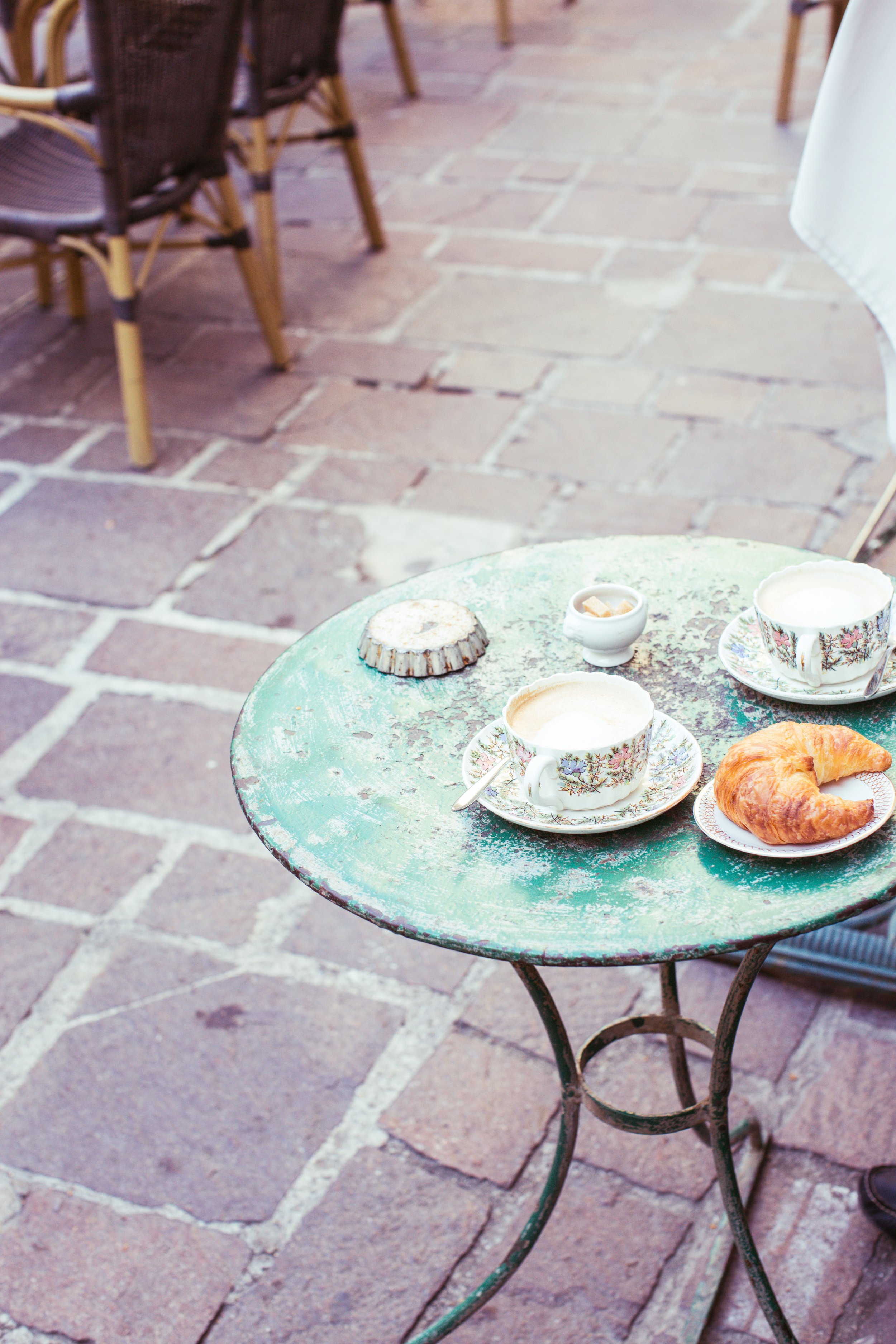
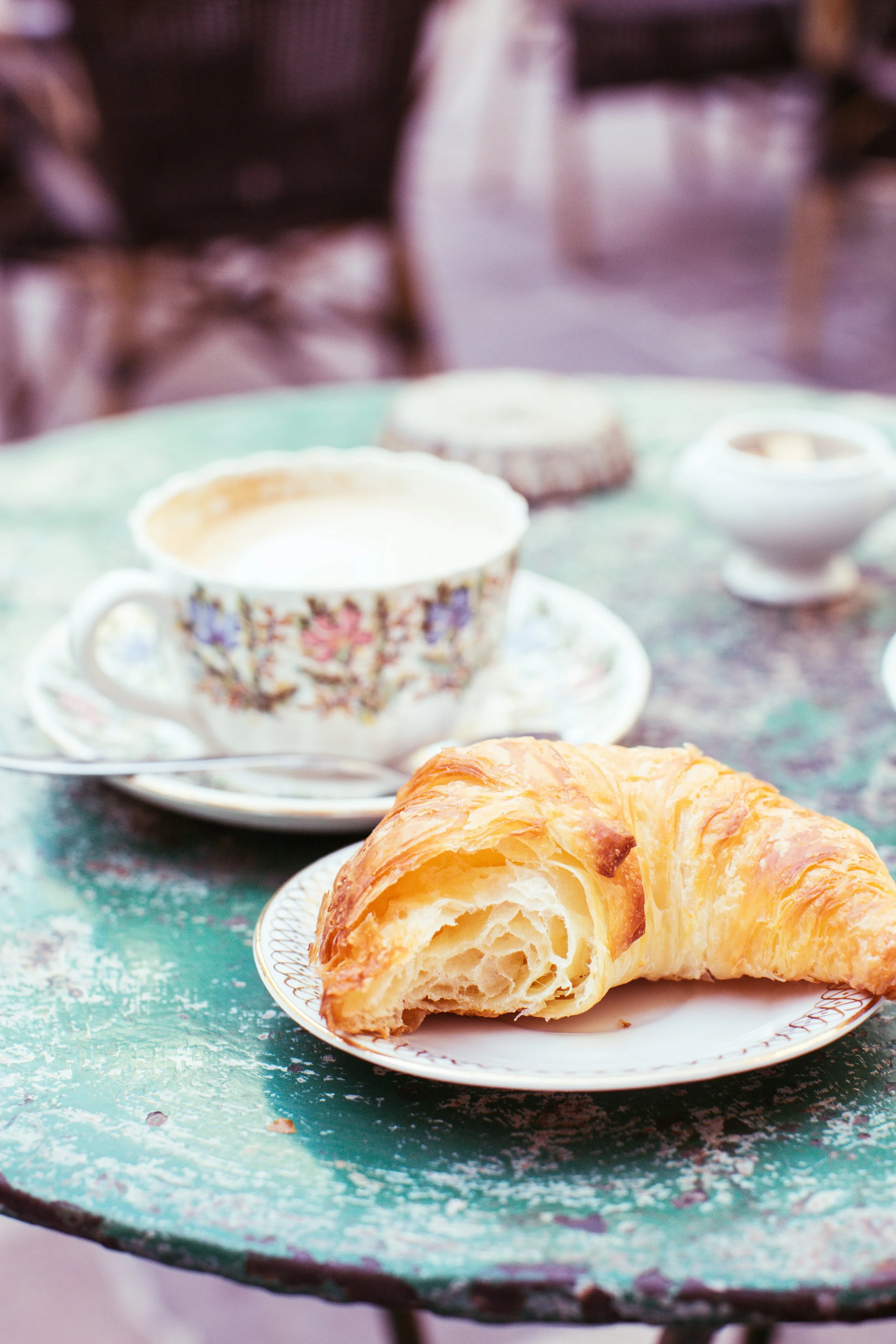
We sit in the corner of place Dampmartin and rue pélisserie in a cozy quintessential cafe ( chez cerise) fulfilling our morning caffeine dose taking in the hassle of the buzy weekend morning. Lured in by the antique pottery, cast iron chairs and darling owner, we started our day bright and early sipping on cappuccino and breakfasting over the flakey fresh croissants. I wish I could have bought the tiny espresso cups that differed in style, but unfortunately they were not for sale. Believe me, I asked.
It was Saturday morning and venders were setting their stalls to this weekly event that sees producers and artisans filling place aux Herbes, the town square. I’m quite sure any little Provence town has worthy morning markets especially over the weekends, however, Uzes is famous for its market. It spreads to numerous streets where stalls line against the trees selling all things from local foods to soaps, honey, linen, books & local treats. You find sections for cheese, seafood, meat, vegetables and baked goods that locals come to shop all day long. On Sunday the town parking lot holds an antique market while the town square turns into a flower market. I was on a mission to hunt down all things lavender and find the cutest little Provence basket. We ended up finding great souvenirs to take back home with us that included; wicker basket, soap, lavender home spray, linen, an antique ring box, traditional french salad bowl and a fossil stone paper weight.


We strolled down the people filled stalls, admired the pastel coloured windows adorned with spilling wines, fascinated with the smells, colours and beautiful people. We watched locals stand against corners eating dozen oysters of paper plates, sampled on some divine strong cheese and made our way through the town eyeing at all the little goodies. We walked around for a few hours, stopped for another espresso and went back to our hotel to drop off our treats and change as we had lunch reservations in a château in Saint Remy de provence.




Charming Uzes, the foodie town
Discover the timeless allure of Uzès, a picturesque town nestled in the south of France. With its cobblestone streets, charming squares, and historic architecture, Uzès exudes a captivating blend of medieval charm and Provençal elegance. Renowned for its vibrant markets, including the lively Place aux Herbes, and the iconic Duchy Castle, Uzès invites visitors to wander through its rich tapestry of history, culture, and culinary delights. Immerse yourself in the essence of Southern France as you explore Uzès, a destination where every corner reveals a story, and every moment is bathed in the warm Mediterranean sun.
Discover the timeless allure of Uzès, a picturesque town nestled in the south of France. With its cobblestone streets, charming squares, and historic architecture, Uzès exudes a captivating blend of medieval charm and Provençal elegance. Renowned for its vibrant markets, including the lively Place aux Herbes, and the iconic Duchy Castle, Uzès invites visitors to wander through its rich tapestry of history, culture, and culinary delights. Immerse yourself in the essence of Southern France as you explore Uzès, a destination where every corner reveals a story, and every moment is bathed in the warm Mediterranean sun.


‘Charming cozy town of Uzes is a gastronomic dream’
In all of Provence, I had my favourite escargot in La Parenthése that were soaked in a vibrant green parsley jus and the best morning market experience. I love the ambiance in Uzes, it is cozy and untainted by tourism that much divert to famous places like Gordes or bigger cities like Avignon. You can listen to the beautiful french language as local tourists enjoy their pale rosé, much whom have gathered to Place aux Herbes, the town square. The town revolves around the main square that spills with restaurants and little boutiques all beautifully surrounded by oversized 100 year-old trees. The fountain in the centre not only is tranquil for the eye and a pigeons bathing spot, but also restaurant owners golden retriever, likes to take an occasional dip there.


The streets are calm in the morning, pastel coloured shutters begin to thrust open after a night of being fastened and the smell of coffee invites us to a cafe. Despite it being warm and hot during the day, we see a few leaves making their way down to the ground embracing the first signs of fall. Just having arrived from Southern Italy that showed no autumnal signs, Provence is slowly bringing out down jackets and knitwear and harvest is nearby. Pumpkins are out and porcini is much used on the menu and figs are at their best. Gingerbread-like doors open up to darling boutiques, locals carry baguette in hand and Uzes begins another beautiful day for us to explore. These photographs allow me to look back and soak up the ambiance of the town, remember the smells of regional food, see the architecture & history and all too quickly the faded experience becomes a warm memory of our Provence road trip.
Love: Start your morning in one of the many side walk cafes, such as La Fougasse or chez cerise sipping coffee from antique cups and breakfasting over flaky croissants or french pastries. The salon-like pastry bars, much like you will find in Paris are buzzing with locals conversing over marmalade pastries and black coffee. And don’t worry, you are able to find some savory options too, if you are like us and can’t handle all the sweetness in the morning! Uzes is great for people watching and just enjoying the quintessential Provence moment, that can easily keep your eyes wandering for hours. Wicker basket at hand and panama hat on, love all the tiny pathways of the town that lead you to the cutest shops.
Enjoy the food. The town has plenty of Michelin star restaurants despite being small as the town, so this place will feed your taste buds to its full potential. I guess Uzes (although a bit bigger) reminds me a little bit of Montefalco, in Umbria as both are full of restaurants and have a certain respect for food.
If you have had lunch in another town, make sure to grab antipasti before dinner in Les Terroirs (town square) to make most of the local food. Share a rustic paté and a glass of red wine to work up your appetite. It you are staying for lunch, stop for a vitello tonatto in A coté over an afternoon rosé and make reservations for dinner on the top floor terrace of La Parenthése, a Michelin star restaurant overlooking the sunset. We stayed in Uzes for 3 days and another spectacular restaurant is Le Bec a vin. We were seated in their cozy courtyard and make sure to try either the boeuf or tuna tartar.
Other restaurant options: La Table d´Uzés, L´Artemise &Ten
Wander: Explore Uzes by foot and get lost in the limestone streets. Stay during the weekend because of the markets on saturday and sunday. Shop for lavender soaps, home scents other than Fragonard and try some lavender ice cream as you walk down the winding streets. On market day, by spices and sample on the cheese and cold cuts and refresh the palette with the sweetest oranges. Uzes makes a great base to explore other cute towns like Saint Remy de Provence.


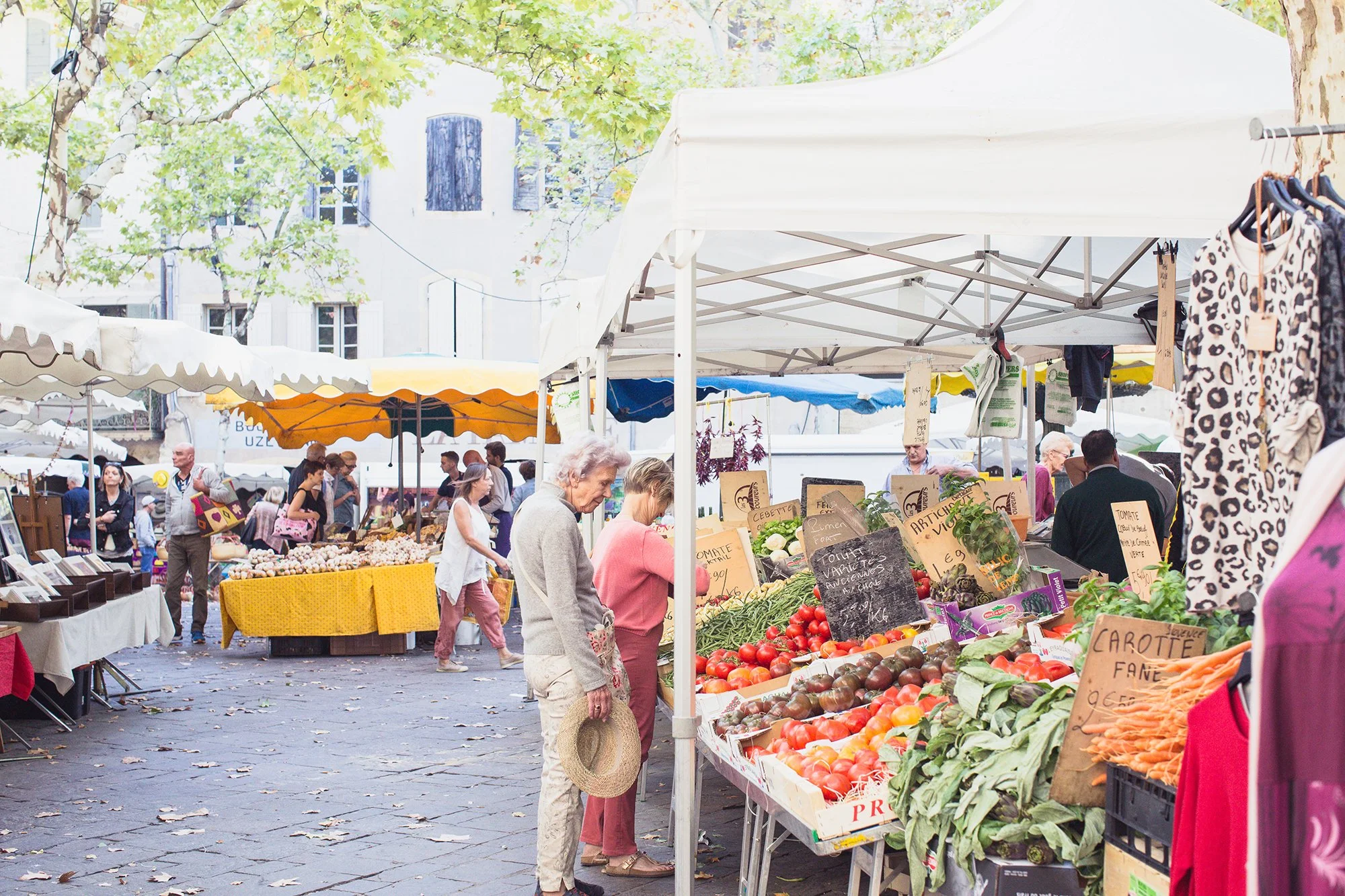
morning markets

Helsinki Christmas Market
Step into the enchanting world of Helsinki's Christmas Market, where the air is infused with the spirit of the season and the heart of the city comes alive with festive charm. Nestled in the heart of the Finnish capital, this market, known as Tuomaanmarkkinat, unfolds a winter wonderland adorned with twinkling lights, festive stalls, and the irresistible aroma of spiced mulled wine. Explore the handcrafted treasures, savor seasonal treats, and immerse yourself in the joyous atmosphere that makes Helsinki's Christmas Market a delightful holiday escape.

Step into the enchanting world of Helsinki's Christmas Market, where the air is infused with the spirit of the season and the heart of the city comes alive with festive charm. Nestled in the heart of the Finnish capital, this market, known as Tuomaanmarkkinat, unfolds a winter wonderland adorned with twinkling lights, festive stalls, and the irresistible aroma of spiced mulled wine. Explore the handcrafted treasures, savor seasonal treats, and immerse yourself in the joyous atmosphere that makes Helsinki's Christmas Market a delightful holiday escape.
Embracing the festive fervor, my friend and I embarked on a Saturday stroll through the magical wonderland of Tuomaanmarkkinat, Helsinki's Christmas market. As we entered, the snowfall graced us with its fleeting presence, setting a picturesque scene captured in precious moments. Sipping on the warmly spiced mulled wine and relishing a delightful almond bun, we savored the cozy atmosphere that enveloped the market. Adorned with enchanting decorations and resonating with festive melodies, the ambiance beckoned us into the heart of the holiday spirit. Handmade treasures adorned the stalls, featuring exquisite finds such as artisan soaps, lamb wool blankets, and delectable homemade delights like mustards and berry juices. The market buzzed with joyous crowds, relishing the last weekend before Christmas and spreading infectious merriment throughout the air. Helsinki's Christmas market was not just a marketplace; it was a symphony of seasonal bliss and handmade wonders.

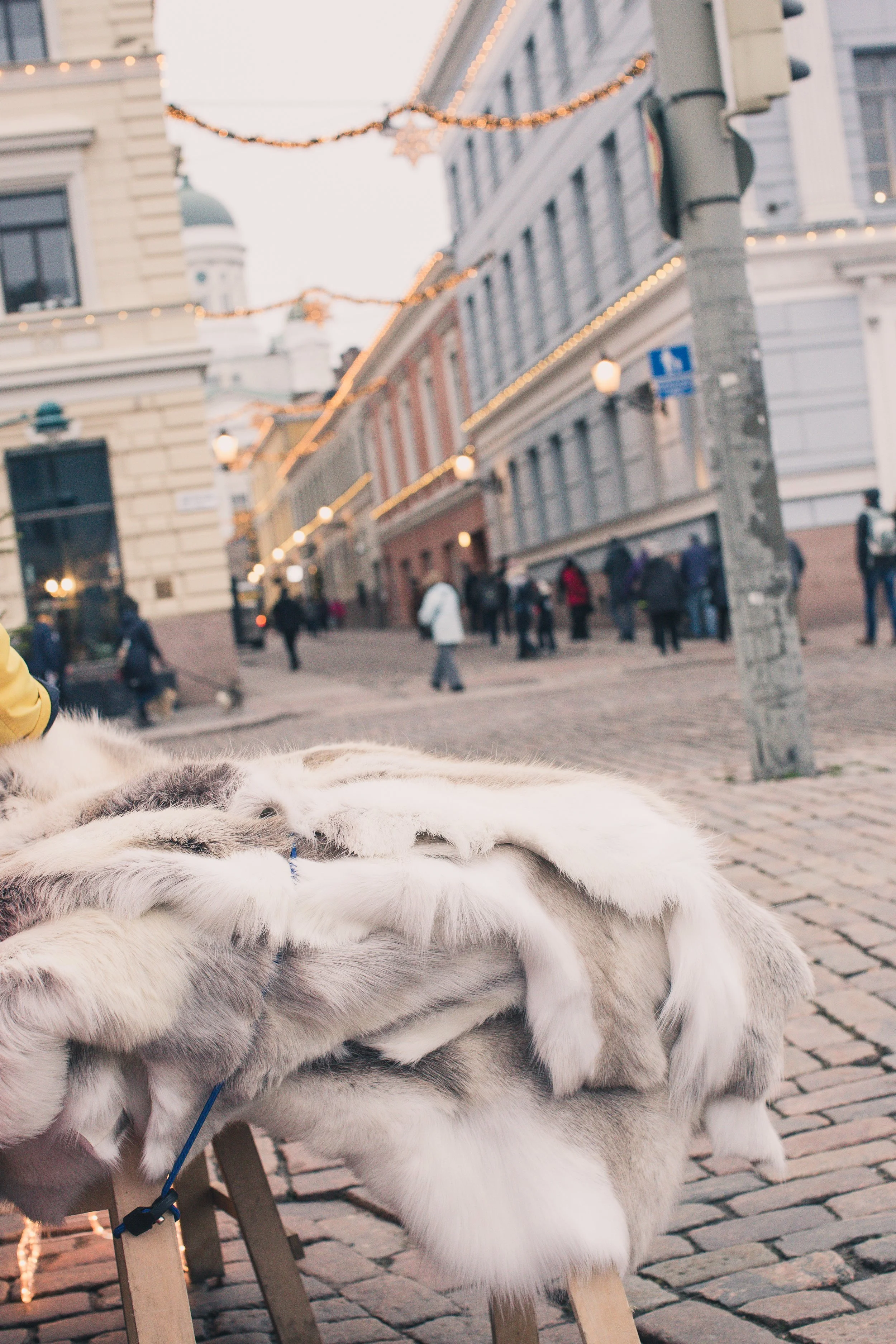


The Scenic Guide to Seville
Seville is a city for the eyes and stomach with authentic tapas and exuberant street life, fiery flamenco and unique picturesque Moorish architecture. Seville, the radiant capital of Spain's Andalusia region, welcomes visitors with a tapestry of culture, history, and exuberant energy. This city, gracefully perched on the banks of the Guadalquivir River, enchants with its architectural splendors, including the resplendent Alcazar palace and the iconic Giralda tower. Immerse yourself in the lively ambiance of the historic Barrio Santa Cruz, where narrow cobblestone streets reveal hidden plazas adorned with orange trees. Seville's flamenco-filled nights, vibrant festivals, and delectable tapas scene ensure an unforgettable Spanish sojourn in a city where every corner tells a story and every experience is a celebration of life.

Seville is a city for the eyes and stomach with authentic tapas and exuberant street life, fiery flamenco and unique picturesque Moorish architecture. Seville, the radiant capital of Spain's Andalusia region, welcomes visitors with a tapestry of culture, history, and exuberant energy. This city, gracefully perched on the banks of the Guadalquivir River, enchants with its architectural splendors, including the resplendent Alcazar palace and the iconic Giralda tower. Immerse yourself in the lively ambiance of the historic Barrio Santa Cruz, where narrow cobblestone streets reveal hidden plazas adorned with orange trees. Seville's flamenco-filled nights, vibrant festivals, and delectable tapas scene ensure an unforgettable Spanish sojourn in a city where every corner tells a story and every experience is a celebration of life.


Seville was the first stop of our Andalucía road trip and stayed here for 3 days, 2 nights before heading off to another destination. Our flight arrived to Malaga during the morning, so we were in Seville before lunchtime, which gave us more time to explore.
Basically, we visited the main sites during the morning time, firstly to avoid tourist crowds and secondly because it was much cooler during this time of day. The empty city has the most visual impact as the sun begins to rise and sightseeing is calm and pleasant. We visited 1) Real Alcázar (must pre order tickets online) 2) Casa de Pilatos 3) Plaza de Espana. We saw the cathedral from the outside but I’m sure it would have been amazing on the inside as well. However, the best way to explore Seville is to just stroll around the city. Visit the little shops and cooling wine bars, as the day gets hotter, roam around the ceramics quarter and buy yourself some nice tiles to take home. Eat tapas all day long and hop through as many restaurants as you can because there is nothing more enjoyable that tasting what the city has to offer. Take advantage of the good wine lists as they are so affordable in Spain and let the beauty of the city take over your soul, as the days go by.
Even though my family had a house in the coast of Spain for 25 years, I never visited Seville until this August. To be honest, I was sceptic about the amount of tourists the city would have, but it wasn’t as crowded as expected. Let’s just say, the crowds were in all the right places such as the tapas bars, which is the way it’s supposed to be in authentic Andalucía.
If you arrive by car, make sure to park it just outside the old town in a guarded underground garage, which was what we did in the other cities too, like Granada and Cadiz. We stayed in Hotel Fontecruz Seville Seises that I would highly recommend, as it was smack center in the old town, a few minutes from the cathedral surrounded with all the tapas bars. It also had a roof top pool that was perfect for a few hours of lounging during siesta time. Additionally, breakfast was delicious, the rooms were tasteful with Loccitane toiletries.


Real Alcazar of Seville
You cannot visit Seville without seeing the main attraction that is the royal palace of Alcazar. This Mujedar palace has beautiful manicured gardens and was built over the site of Seville’s former Moorish fortress and is a smaller version of Granada’s Alhambra. The palace is located just in front of the cathedral hidden behind large stonewalls. You will whiteness the entrance queue that start at 9am, so make sure to pre order your tickets online, to avoid much lining. You can also book a guided tour, that skips the lines as well, but we preferred to explore in peace. We spent a good few hours here walking around the estate and taking in all the architectural beauty, working our appetite for lunchtime. Game of Thrones has been filmed here and you feel an “Arabian nights” – kind of feeling in this setting.


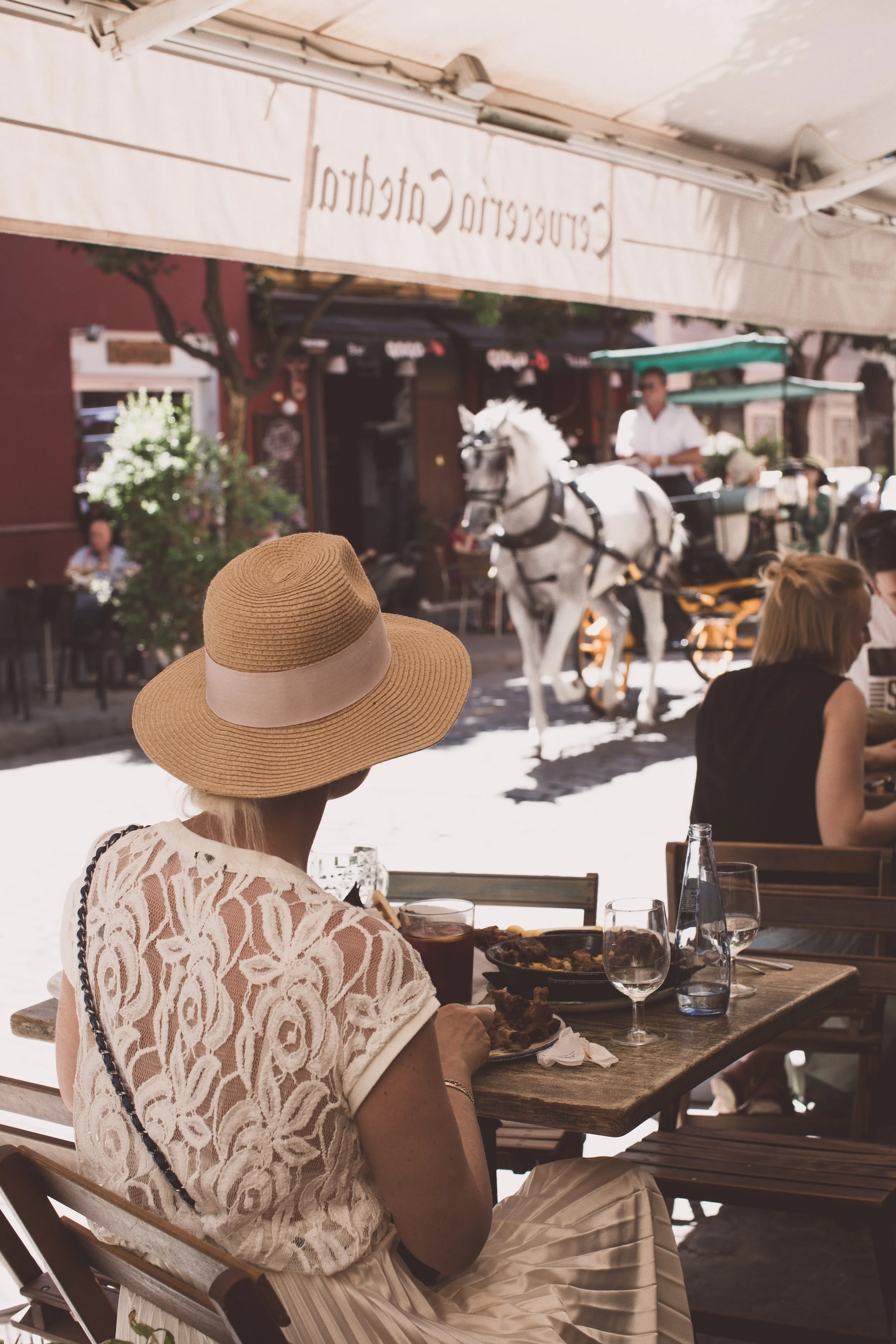

2. Stroll around the old town, eat tapas & watch a flamenco show in the Triana neighbourhood
The most wonderful way to explore any city is by foot. The best way to get to know Seville is to explore the nooks and corners by walking aimlessly around the beauty of the old town. If you don’t feel like walking all the time, the corners are filled with horse carriage rides that work as taxis in the old town. The town is filled with beautiful little plazas that will with restaurants, tapas bars and cozy boutiques. The Jewish Quarter of Seville is one of the most beautiful neighbourhoods and the Santa Cruz area. Make sure to eat ox tail, drink some tinto de verno and order delicious tapas from the counter of the bar, just as the locals do. Some of our favourite tapas bars were bar Catedral during the day and Ovejas Negras in the evening. There was a great seafood restaurant, La Primera del Puente on the other side of the river, the typical “not so pretty” place with plastic chairs and paper clothes. However, often these tapas bars/ restaurants are the best in Spain, buzzing with locals!
Teatro Flamenco Triana: One evening before dinner, we booked a flamenco show that was located away from the old town (on the other side of the river) that came highly recommended. The beauty of this show was that is was in a small theatre for a small audience, very authentic, full of locals. You weren’t allowed to take any pictures here but the show was sexy, full of passion and so beautiful to look at. Teatro Flamenco Triana is located on Calle Pureza 76, and you can book your tickets online or from a tourist information.
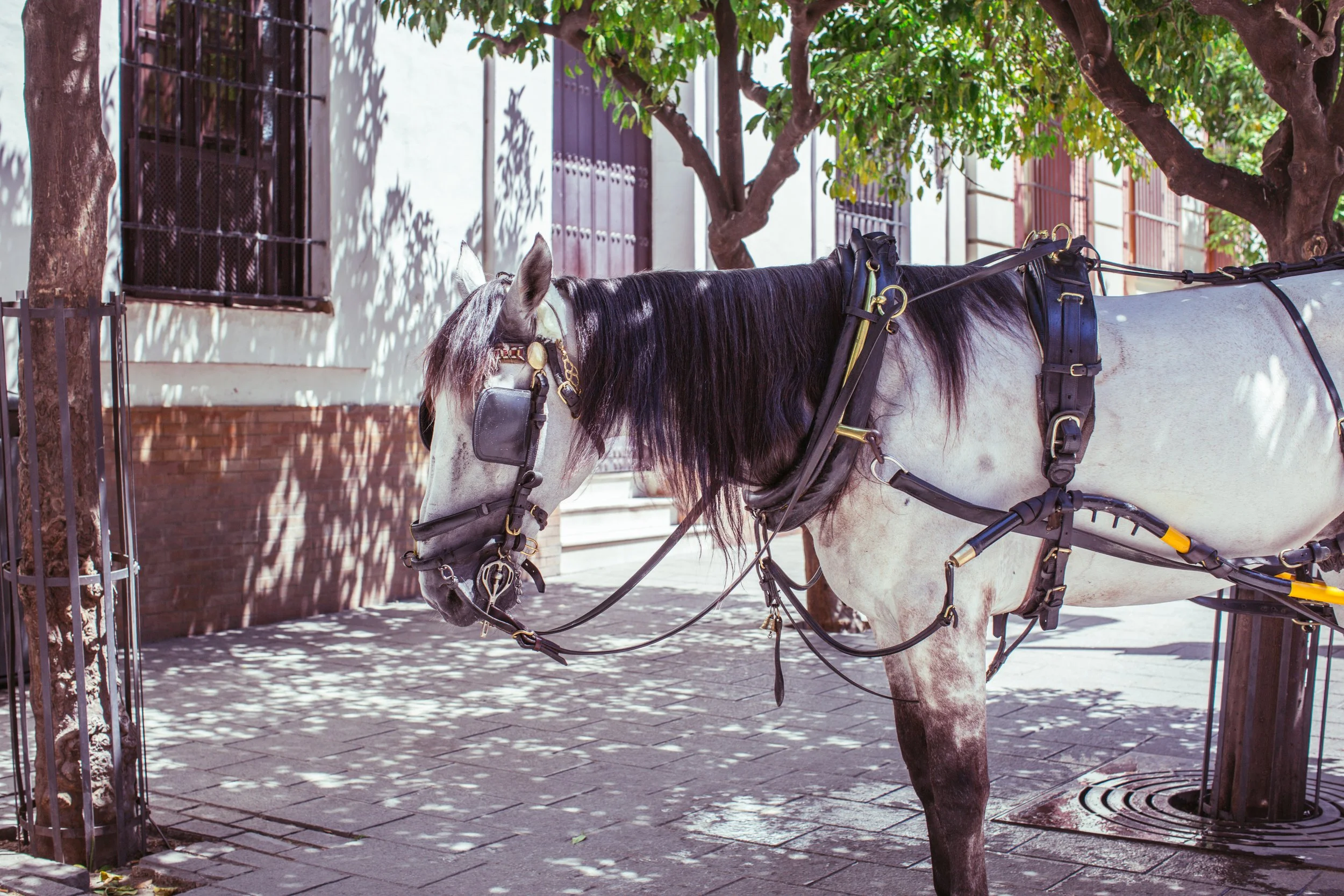


3. Visit Casa de Pilatos & Enjoy Seafood Paella
La Casa De Pilatos (Pilate’s House) is a wonderful hidden gem in the heart of Seville. I stumbled across it through pinterest and I was drawn to its beautiful 16th century Sevillian architecture. With a touch of Renaissance flair, the palace has a Gothic Mudejar style to it that spills with breathtaking ceramic details. It is much less known than the Alcazar and for that reason, it is also far less crowed and peaceful. It costs about 8euros/ticket to get in and it includes a guided audio tour of the entire palace. It is located in the historical centre, making it a short walk from all the other must sees.
After visiting the civil palace, we did a bit of hand-made tile shopping just outside the casa and strolled back into ceramics quarter for some paella lunch. Restaurant La Cueva, located on Calle Rodrigo Caro, 18 opens up to a little square that has a tiny park in the middle surrounded primarily with ceramic shops and places to eat. You will smell the caramelized almonds cooked in little bakeries that linger through the narrow streets.


4. Watch sunrise at plaza de Espana


Plaza de Espana is a historical landmark in Seville that is a breathtaking square right next to the old town. It will make the most magical morning stroll. The plaza is framed by the Maria Luisa Park with a total of 10,000 square meters and is without a doubt, one of Spain’s most lavish plazas. The square has been a backdrop for many movies (Lawrence of Arabia, Star Wars, The Dictator) and makes a great place for a peaceful stroll to workup a tapas apatite.
We walked along the semi-circular shape of the building admiring the Moorish-Renaissance style architecture and all the colourful ceramic detailing. The square oozes with inspiration and it is at its most beautiful state early morning, during sunrise before it gets crowded with lots of people. With the exception of a few photographers and exploring couples, the fountain was glistering against the rising sun and pigeons were taking their morning bath in the cooling water.


The seaside town, Cadiz
Nestled along the sun-kissed shores of southwestern Spain, Cadiz is a maritime jewel steeped in history and charm. Known for its ancient roots dating back to Phoenician times, Cadiz boasts a captivating blend of historic landmarks and lively cultural offerings. Stroll through the narrow streets of the Old Town, where centuries-old architecture whispers tales of the city's rich past. Marvel at the iconic Cadiz Cathedral, a masterpiece of Spanish Baroque design, and venture to the top for breathtaking views of the city and the Atlantic Ocean. The Castillo de San Sebastian, perched on a small island, is another must-see, offering a glimpse into Cadiz's strategic maritime importance. With its vibrant markets, beautiful beaches, and vibrant local atmosphere, Cadiz promises an authentic Spanish experience that lingers in the heart.


Caleta
‘Cadiz the ancient port city in the most south-western part of Spain, filled with delicious seafood’
Nestled along the sun-kissed shores of southwestern Spain, Cadiz is a maritime jewel steeped in history and charm. Known for its ancient roots dating back to Phoenician times, Cadiz boasts a captivating blend of historic landmarks and lively cultural offerings. Stroll through the narrow streets of the Old Town, where centuries-old architecture whispers tales of the city's rich past. Marvel at the iconic Cadiz Cathedral, a masterpiece of Spanish Baroque design, and venture to the top for breathtaking views of the city and the Atlantic Ocean. The Castillo de San Sebastian, perched on a small island, is another must-see, offering a glimpse into Cadiz's strategic maritime importance. With its vibrant markets, beautiful beaches, and vibrant local atmosphere, Cadiz promises an authentic Spanish experience that lingers in the heart.

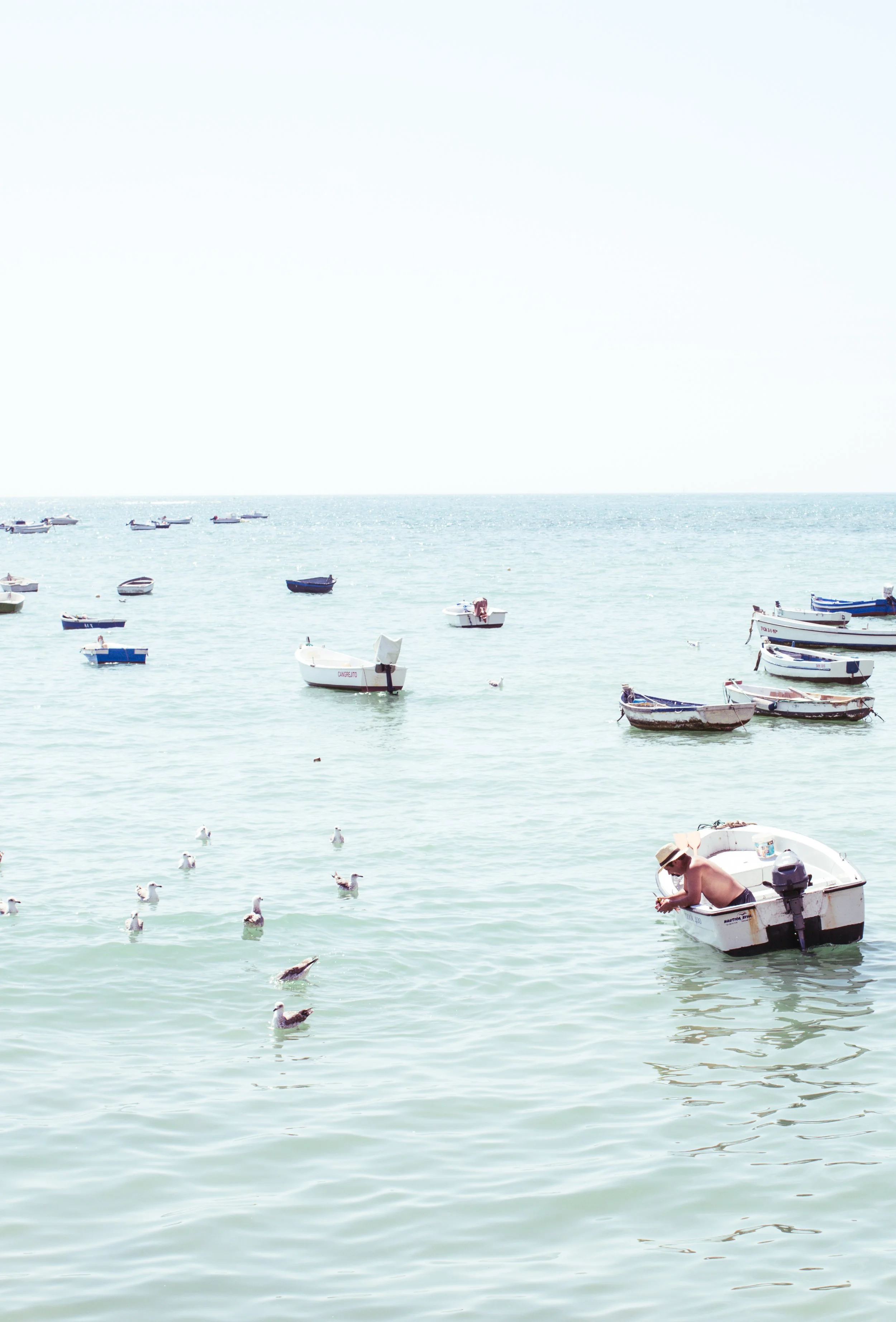


We stayed in Cadiz for only for 1 night, 2 days (Hotel Casa de las Cuatro Torres) and it felt like we ate our way through the town. We drove from beautiful Sevilla for a little seaside atmosphere. Naturally because we were by the shore, we indulged in all the fresh seafood the city had to offer. Never having visited Cadiz before, the ancient port city is one of the oldest in Western Europe with archaeological remains dating back to 3100 years. As you walk through the streets, most buildings are connected to the religious and cultural heritage of the city. There is drama and detail in the buildings, and you can feel the long historic presence of the city once you are in it.
The shorefront lines with long beaches and it’s evident that Spanish families love to spend their days under the umbrella gazing into the aqua coloured Mediterranean Sea. Children play in the waters and tiny fishing boats float in the shallows while fishermen seek for their next catch at most corners.
You have to love the exquisite tapas here, the sunset at La Caleta beach and the fish market that is buzzing with people, eating and drinking through little stalls. Plazas are filled with people exploring the city, traditional wine barrel bars spill into the allies and there is chaos, but not in a bad way. The atmosphere is vibrant and loud, spontaneous people break into dance, while people around clap to the rhythm of the music. Cadiz is busy with locals and there is a different more authentic feeling here than what you would find closer to the shorelines near Malaga/ Marbella.
Since we were in Cadiz for such a short time, we primarily did not have any plans for discovering the city. Our only goal was to taste delicious seafood and that was fully accomplished. Our hotel gave us the tip to test the fried food at the fish market. We enjoyed some oysters, fried foods, little breads and then we walked around the maze like streets of the city. We did a bit of shopping and lots of walking and for lunch we ate at a popular beach-like restaurant called Caleta (that brings back amazing childhood memories). We asked for the catch of the day, which was the char grilled sardines and also ordered some mussels and the most delicious juicy shrimps. It was so hot in Cadiz, almost 40 degrees Celsius at times, so a good tinto de verano pit stop under the shaded umbrella was the perfect solution to wind down after our walks.
In the evening, we found the cosiest tapas bar ( La Bodeguita de Plocia on Calle Plocia 11) that was so full (we had to line for while just to be seated on the counter) and had the most amazing gastronomy tapas experience. We obviously ate tuna (popular in the region), scallops in many forms (my favourite), clams and all kinds of fishplates. I just love how the Spaniards do tapas; it’s a beautiful experience in itself. There is no fine dining, nothing fancy about it and it simply speaks to the flavours of the food. With our stomachs and hearts full of goodness, Cadiz left a warm imprint to our memories. This beautiful port city added a wonderful seaside experience to our Andalucía tour.


Beautiful Cordoba
Welcome to Cordoba, a city that breathes history and exudes a captivating blend of cultures against the backdrop of Andalusian charm. Nestled in the heart of southern Spain, Cordoba is a living testament to the legacies of Muslims, Christians, and Jews who once coexisted in perfect harmony. As you traverse its cobblestone streets, be prepared to be enchanted by the city's architectural wonders, from the majestic Mezquita to the quaint, flower-adorned patios that whisper tales of a bygone era. Cordoba is a vibrant tapestry where the past seamlessly intertwines with the present, inviting you to immerse yourself in its rich heritage and embrace the allure of this timeless Spanish gem.

Welcome to Cordoba, a city that breathes history and exudes a captivating blend of cultures against the backdrop of Andalusian charm. Nestled in the heart of southern Spain, Cordoba is a living testament to the legacies of Muslims, Christians, and Jews who once coexisted in perfect harmony. As you traverse its cobblestone streets, be prepared to be enchanted by the city's architectural wonders, from the majestic Mezquita to the quaint, flower-adorned patios that whisper tales of a bygone era. Cordoba is a vibrant tapestry where the past seamlessly intertwines with the present, inviting you to immerse yourself in its rich heritage and embrace the allure of this timeless Spanish gem.


Step into the enchanting realm of Cordoba, a city adorned with brass doors, limestone monuments, and streets blooming with vibrant flowers, all nestled within the embrace of cozy Moorish-style patios. As my husband and I discovered during our half-day sojourn, Cordoba is a captivating tapestry where East meets West, seamlessly blending Spanish charm with exquisite Islamic influences.
Wander through the picture-perfect streets, where white alleys adorned with flower-filled pots harmonize with delicate traces of Islamic architecture. Cordoba stands as a testament to an era when Muslims, Christians, and Jews coexisted in perfect harmony, an essence that lingers in every corner of its charming streets.
Immerse yourself in the city's cultural richness by exploring its myriad attractions. Visit the renowned landmarks such as the awe-inspiring Mezquita, a symbol of the city's diverse heritage. Delight in the architectural wonders, from the intricate detailing of Moorish arches to the grandeur of Christian influences.
To savor Cordoba's magic without the bustling crowds, plan your visit early in the day. Revel in the ambiance of a city where history and culture converge, creating an unforgettable experience that echoes the harmonious coexistence of its diverse past.
We stopped for jamon paninis in a little fine-food boutique that was filled with people queing and it tasted wonderfully salty and much needed during the hot day. We crossed with Puente Romano, the bridge was built by the Romans and crosses the Guadalquivir river.


The charming Balneario Aguas de Villaharta
‘Countryside getaway in the rolling hills of Andalucia’

As the sun begins to rise from the back of the mountains, the low rays hit our faces, as we get ready for a dreamy breakfast. Waking up at the Spanish countryside is pure relaxation, especially when the surroundings are visually this pleasing. Naturally, you hear the roosters in the horizon and the occasional hee-hawing of the hotels donkey. With the largest ears, the furry friend loved it when it reserved visitors to it’s pen. We watch the glorious sun come up as we hear the coffee machine ramble as it makes our first frothy cappuccino.


Surrounded with olive trees and a blissful view of the Andalucían countryside, Balneario Aguas de Villaharta is a chic hidden gem that makes a great place to unwind. We stayed for a few nights just to relax by the pool, spend time in the hamam, and fully slow down. Moreover, after spending some days in various cities in Andalucía, heading out to the mountains near Cordoba was the perfect thing to do. The drive up from Cadiz to this hotel was stunning, the rolling hills of dried sunflower stretched for miles and the occasional white doted towns shined in contrast against the greenery.
With fig trees growing in corner pots and white curtains dancing to a slight breeze, the rustic aesthetics create that charming atmosphere, a visual addict desires. Bistro lights hang from side to side in the yards and the bohemian style paper lamps and sun umbrellas look like a rivera maison advert.
During the daytime, we either relaxed by the pool or spent some time exploring nearby towns. For example, Cordoba is a great place to visit that is near by.
The gastronomic experience was a highlight of our stay. Every evening during dinner we watched the sun drop behind the hills as we sat outside restaurant (Hierro) listening to the sound of wildlife as it becomes darker. With gentle music in the background, the sound of the Spanish language and a full-bodied red wine on the tip of our tongues, evenings were relaxing and memorable. We were spoiled with mouth-watering dishes made from local produce that crowned our evenings to the fullest. Some of my favourite dishes included pork cheek, slow cooked rabbit, oxtail and a refreshing watermelon vinaigrette salad. After a long nights sleep with our stomachs full, it was refreshing to the start the day with a morning swim in the almost empty pool.
With a heart full of good memories and a wonderfully pleasant stay and staff, we will for sure come back to this darling place.



The magical Alhambra, Granada
The Alhambra is a beautiful Arabesque Palace and grounds that were built in the mid 14th century by the Roman remains and Moors. The Moorish princes lived in the complex until they were driven out of Spain in 1492, when the Christians took over. Today the palace is a UNESCO world heritage site and is a very popular tourist attraction. The name Alhambra comes from the Moorish time, as the Arabic word “alhamra” means “the red one” referring to the stone colour used in parts of the palace construction.


‘ The Moorish Secret gardens of Alhambra’
My hubby and I spent a few days in Granada during our Andalucía road trip and we knew that visiting Alhambra was a must, when staying here. The Alhambra is a beautiful Arabesque Palace and grounds that were built in the mid 14th century by the Roman remains and Moors. The Moorish princes lived in the complex until they were driven out of Spain in 1492, when the Christians took over. Today the palace is a UNESCO world heritage site and is a very popular tourist attraction. The name Alhambra comes from the Moorish time, as the Arabic word “alhamra” means “the red one” referring to the stone colour used in parts of the palace construction.
The Alhambra is located right in the old town, but it is a real uphill hike to get the actual site. Make sure to wear comfortable shoes; it was a great bum workout to say the least. Also make sure to buy tickets online in advance. Just like the Alcazar in Seville, the per-ordered ticket will save you a lot of time queuing and guarantees a spot in seeing something for that day. Even though we booked our tickets 2 weeks before our trip, seeing the inside of the Nasrid palace was sold out, so instead we explored the grounds and generalife, which was more than enough for us. Another tip is to visit the palace just as it opens, to avoid the mid-day tourist mass. This allows you to capture beautiful images as the sun is still low and rising and you get to roam around in a peaceful environment.
The grounds are conducted with a myriad of amazing buildings to explore, including the Tower of Justice that has the most stunning views of Granada below. Opposite of the Nasrid Palace (which should be breathtaking from inside) is the Alcazaba that shows the military history of the time. We explored the buildings first and then walked through the generalife and the stunning gardens. This part was the vacation home of Granada’s royalty. The gardens were simply stunning, something that looks out of a fairytale. There were decorative fountains, maze-like bush pathways and an explosion of manicured pathways and flowers as far as the eye can see. The Moorish influence is seen throughout the Alhambra in its archways, tiled walls, and intricate carvings. We spent probably a good 3 hours soaking in all the grand beauty, working up an appetite from all the walking around.


Stepping through its arched doorways and into its labyrinthine corridors, visitors are transported to a world of exquisite craftsmanship and geometric patterns that adorn every surface. The Court of the Lions, with its iconic fountain at the center, whispers of a time when poets and scholars gathered in its shaded alcoves, while the Nasrid Palaces boast intricate stucco work and ornate tiles that seem to breathe life into the walls.
Beyond the architectural marvels, the Generalife Gardens unfold in a symphony of greenery and blossoms, offering respite and tranquility with each step. Here, the air is perfumed with the fragrance of centuries-old cypress trees, and the sound of trickling water from ancient fountains creates a soothing backdrop to the panoramic views of the city below.
The Alhambra is not merely a fortress; it is a living testament to the coexistence of diverse cultures and the preservation of their artistic legacies. As the sun sets over the Sierra Nevada, casting a golden glow upon the Alhambra's towers, one can't help but feel the weight of history and the timeless allure of this architectural marvel that continues to weave its enchantment across the centuries.


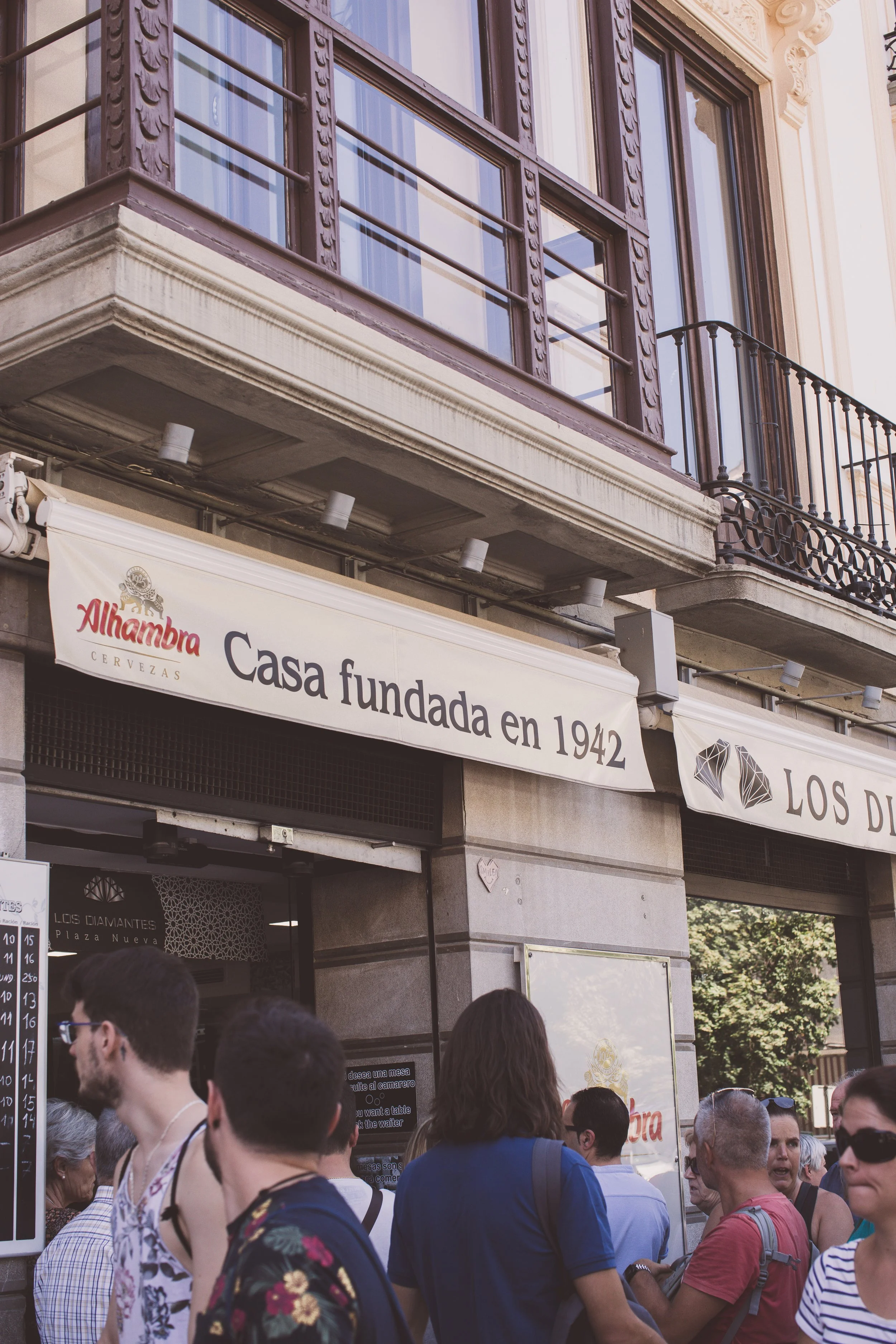


Tapas Tip
After exploring the Alhambra we headed back to the old town for some seafood lunch. We came across a tiny tapas bar called “Bar Los Diamantes” on Plaza nueva 13, nothing fancy or decadent with rows of joint tables. There was a queue of locals outside and we quickly discover this was the place to eat. After queuing for a little while, we got a place inside. The place has that typical loud Spanish tapas atmosphere which we love and we ordered some mouth-watering seafood. Don’t expect to get anything fancy here, this is authentic quick simple but delish tapas. I didn’t take pictures of everything, but we ate rosada (type of cod fish), razor clams, shrimps, pilpil, and smoked paprika pulpo and our bill came to only about 50euros. It was the perfect seafood spot, to indulge in all the fresh goods, exactly the way locals would. We came to disvoer afterwards that it was also recommended by Loney planet as one of the best eateries in the area.